Can You Use a Butane or Camping Stove Indoors?
Check the exact model label before using a portable fuel-burning stove indoors. Outdoor, camping, or commercial-restaurant approval does not establish that a stove is approved for use inside a home.

Quick answer: check the exact model label
Do not use a portable fuel-burning stove inside a home unless the exact model is specifically designed for that setting and its instructions explain how to use it there. CDC guidance says never to use a portable camping stove inside a home, tent, or camper. CPSC gives the practical decision rule: portable fuel-burning camping equipment does not belong inside a home unless the exact appliance is designed for an enclosed setting and includes instructions for safe use there.
The fuel name alone does not answer the question. Find the model number, read the product label and current manufacturer manual, and match the approved setting to the place where you plan to cook. Approval for outdoor use or indoor use in commercial restaurants is not approval for a household kitchen.
What the label means for a US home
| Spec | What it means | What to do at home |
|---|---|---|
| Outdoor or camping use only | Use only in a manufacturer-approved outdoor location. | Do not move it into a home, garage, tent, vehicle, or enclosed porch. |
| Indoor commercial restaurant use | Commercial approval does not establish residential approval. | Use only in the settings and under the conditions listed for the exact model. |
| Residential indoor use stated for the exact model | Follow that model's instructions, clearances, ventilation requirements, and local rules. | Do not transfer the approval to another model or fuel-burning appliance. |
| No readable label or manual | Do not use it inside the home. | Contact the manufacturer or choose an option with a verifiable indoor rating. |
The exact model and intended setting control the decision; the words butane, portable, or camping do not establish indoor approval.
- Identify the exact model: A brand name or a similar-looking stove is not enough; approvals and instructions can differ by model and market.
- Match the approved setting: Look for residential, commercial, outdoor, camping, enclosed-space, and ventilation language in the label and manual.
- Stop if you cannot verify it: A missing manual, an unreadable label, or advice for a different model is not evidence that your stove is safe to use indoors.
Store the kit indoors; operate an outdoor-rated stove only in an approved outdoor location.
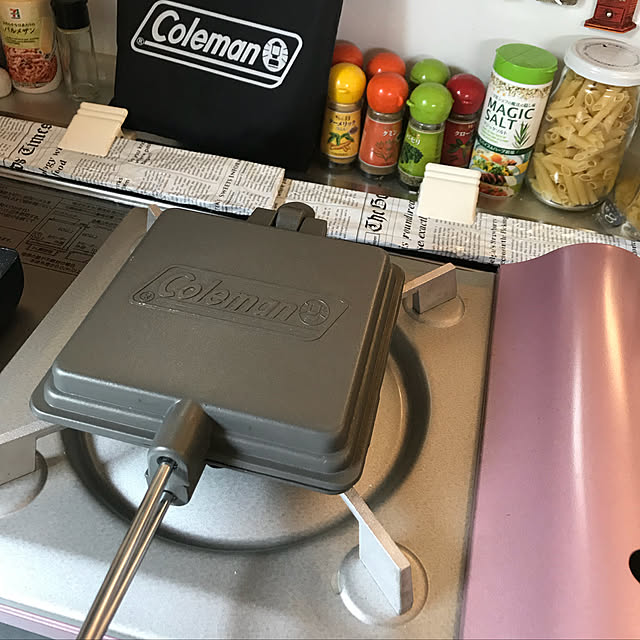
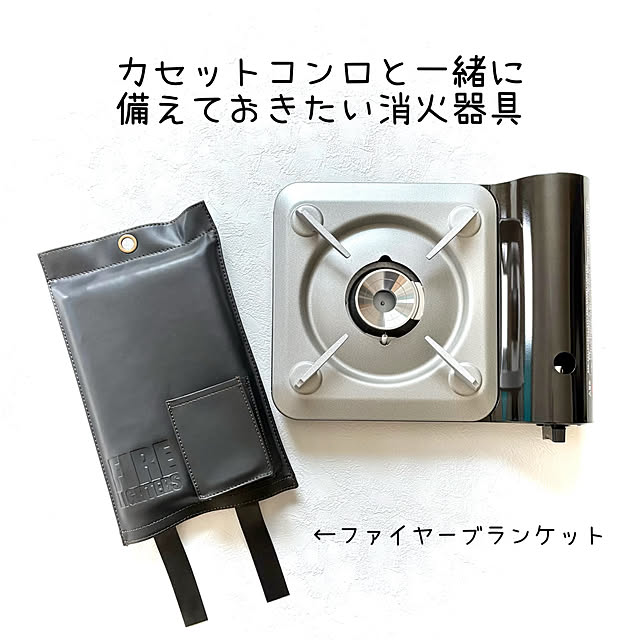
Primary safety sources checked October 21, 2026: CDC power-outage guidance, CPSC carbon monoxide guidance, Iwatani's US FAQ, and the Iwatani 35FW US manual.
Why the indoor rule exists
A clean-looking flame does not make a stove suitable for indoor use. Fuel-burning equipment can produce carbon monoxide, and carbon monoxide is colorless and odorless. You cannot smell it, see it, or feel it building up in a room.
That is also why the symptoms are easy to miss. CDC lists the most common symptoms of carbon monoxide poisoning as headache, dizziness, weakness, upset stomach, vomiting, chest pain, and confusion, which read like ordinary illness or outage stress. CDC also notes that people who are sleeping can die from carbon monoxide poisoning before they have symptoms. An outage stacks the odds badly: powered ventilation is off, and people close the house up to hold heat in.
- The exact appliance and approved setting control the decision: CDC says never to use a charcoal grill, hibachi, lantern, or portable camping stove inside a home, tent, or camper. Switching fuel does not give an outdoor appliance residential indoor approval.
- Enclosed and partly enclosed spaces both count: CDC warns that carbon monoxide builds up in enclosed or partially enclosed spaces. Garages, basements, tents, campers, and vehicles are not workarounds for a house.
- An alarm is a warning, not a permit: A carbon monoxide alarm tells you a problem is already underway. It does not turn an unapproved location into an approved one.
What you can use indoors instead
An outdoor-only or commercial-use appliance does not gain household approval because you open a window, run a hood, or add a carbon monoxide alarm. If you cannot verify residential indoor approval for the exact model, plan on an appropriately rated electric appliance or food that needs no heat.

- An electric appliance plus a power source sized for it: Check the appliance wattage against the rated output of the battery or power station, not just its total capacity. Heating appliances such as kettles, hot plates, and rice cookers draw far more than phone charging does, and a station that runs lights for days may not run a kettle at all.
- A no-cook meal plan: Shelf-stable food that needs no heat removes the problem instead of solving it. Keep enough that skipping cooking entirely is a real option.
- Not a generator: Generators belong outdoors and away from doors, windows, and vents. A garage with the door open is still not outdoors.
The rest of this guide covers the other path: choosing a stove for outdoor use and using it correctly, which is where it is designed to work.
Before you buy a stove for outages
Decide where the stove will run before you compare burner output. These checks apply to any portable fuel-burning stove; the Iwatani examples show how much the exact model and market matter.
Check the market, model, and manual
Iwatani's US FAQ says stoves sold on its Japanese and European sites are exclusive to those markets and cannot be imported through Iwatani US at this time. A Japanese stove with a similar body or the same brand name does not carry the US model's certification, fuel, warranty, or support.
The US Iwatani 35FW is a 15,000 BTU/hr stove with a pressure-sensing shutoff, a magnetic canister connection, and a carrying case. Its manual lists use indoors and outdoors in commercial restaurants, and its danger label says never to use it in an enclosed space such as a camper, tent, car, or home. Those details come from the exact model's documents; do not carry them over to a different stove.
Measure how it stores and where it runs
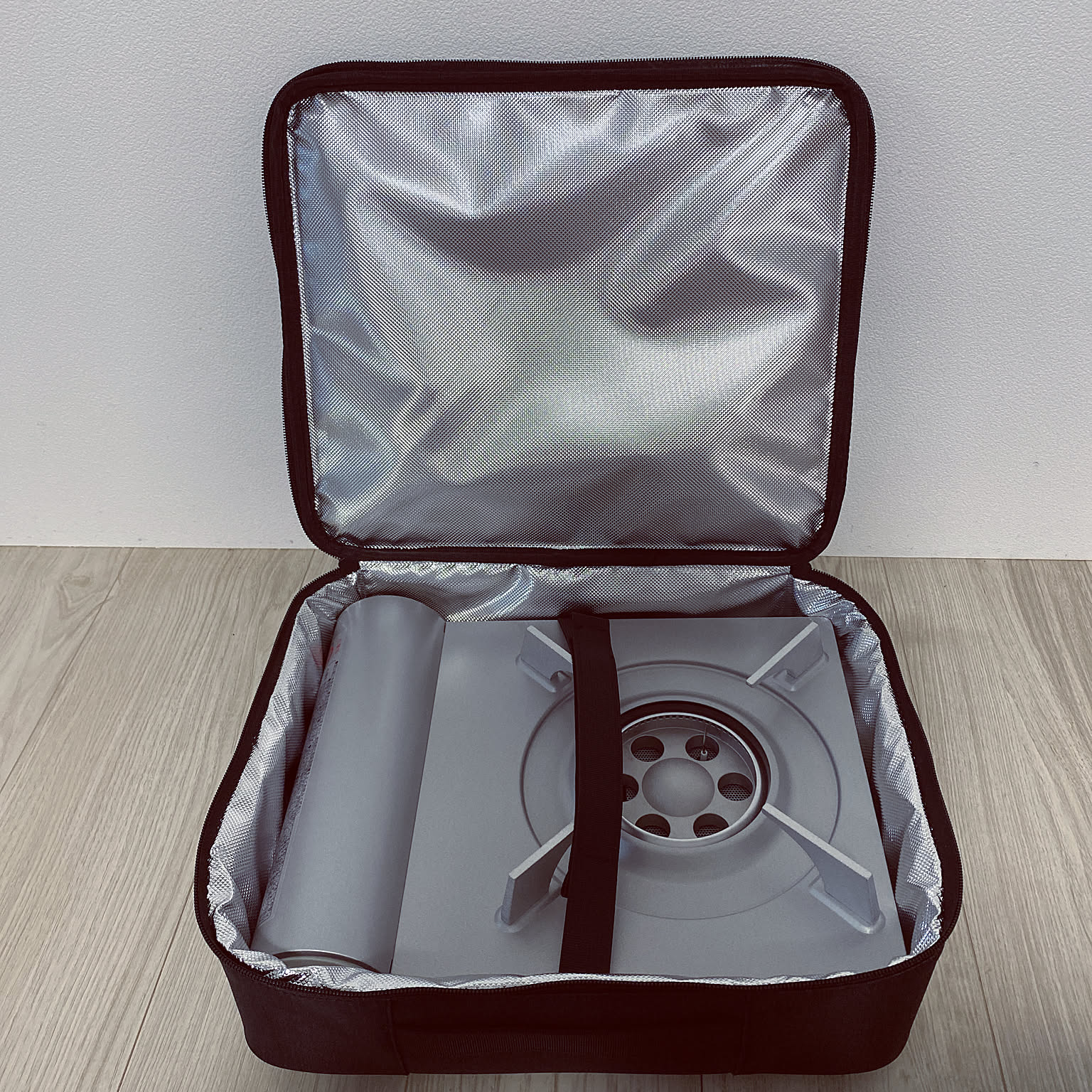
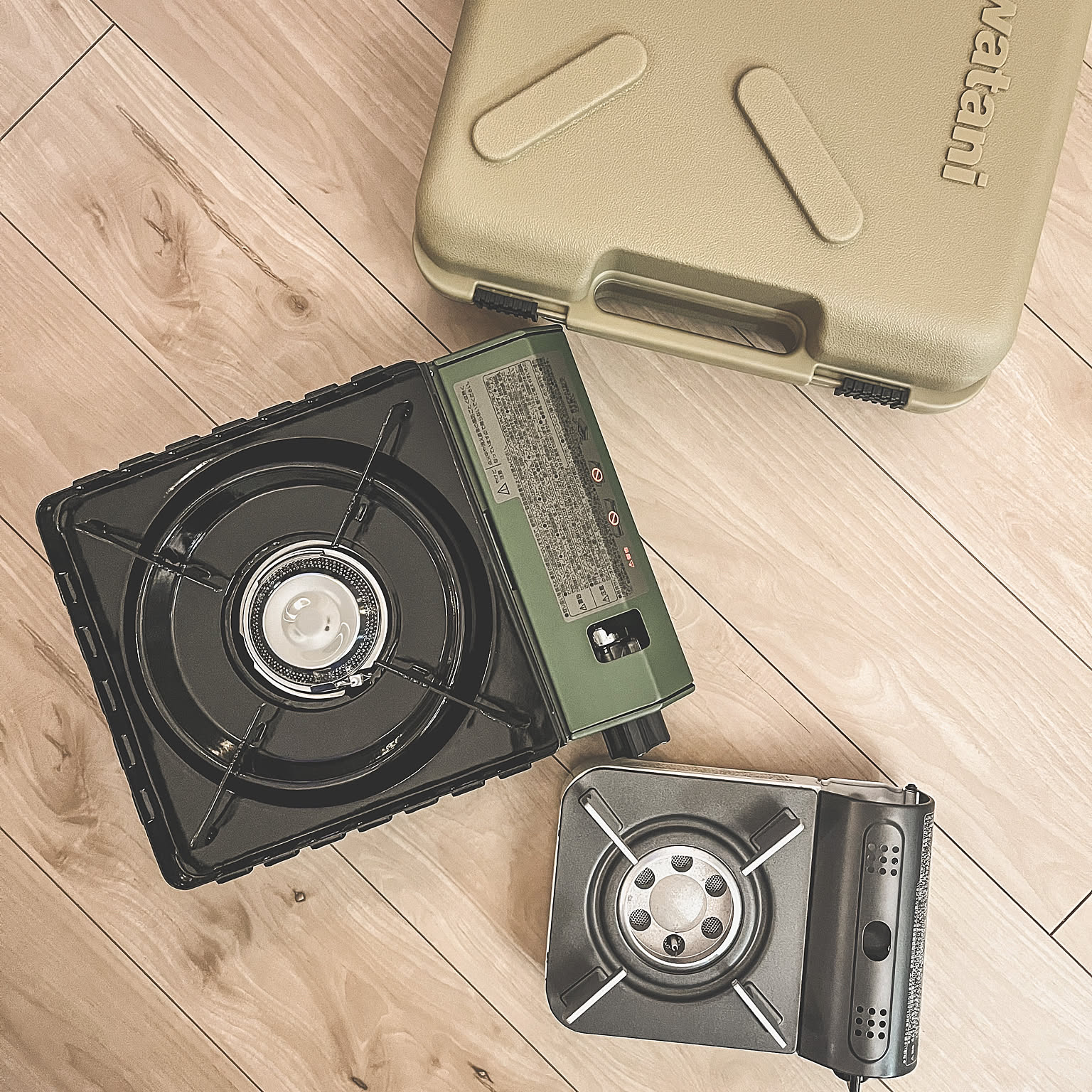
Measure the stove in its case, the pot you plan to use, and the outdoor surface where it will run. A larger body can give broader pot supports or more wind protection, but it needs more storage space and a surface that meets the manual's clearances. A folding stove packs smaller but adds setup steps, which matters if someone else may have to set it up in poor light.
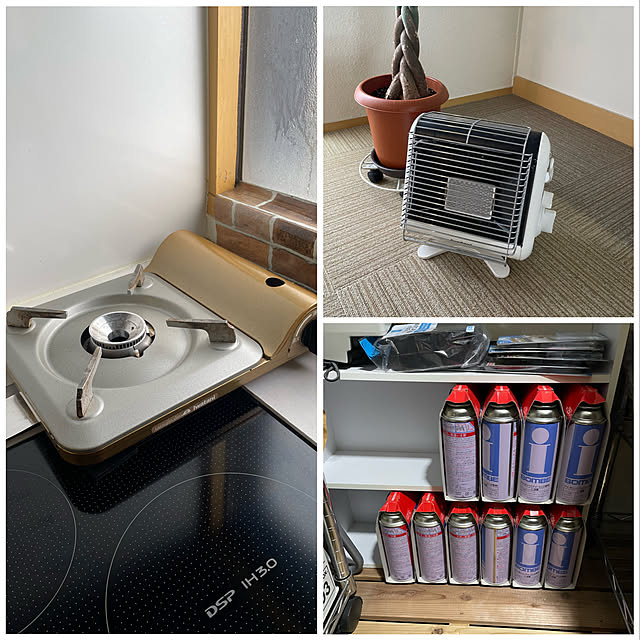
Japanese-market stoves in storage; compare size, not model approval.
Purchase checklist
- Market: Is this exact model officially sold and supported in the United States?
- Approved setting: Does its manual allow the outdoor location in your outage plan?
- Temperature: The 35FW manual says it is not for use below freezing (32°F). Check your model's limit if outages happen in winter.
- Fuel: Can you get, store, and dispose of the canisters the manual specifies? Iwatani says its butane stoves must be used with Iwatani fuel.
- Cookware: Does your pot fit the manual's limits? The 35FW manual calls for a pot bottom under 9.5 inches and says the pot must not touch the canister cover.
- Backup plan: What will you eat if weather makes the outdoor location unusable?
1. Choose the outdoor location before the outage
Read the exact model manual and choose a stable outdoor operating location that meets its clearances and local rules. Keep combustion away from doors, windows, vents, foot traffic, children, pets, and anything that can burn. If weather or your property prevents compliant outdoor use, the stove is not your cooking option for that outage.

- Write down the location: Everyone in the household should know where the stove may be used.
- Keep the manual with the stove: Clearances, cookware limits, fuel, and shutdown steps vary by model.
- Do not rely on ventilation: A window or kitchen hood does not convert a home into an approved use location.
2. Build the fuel plan from a practiced meal
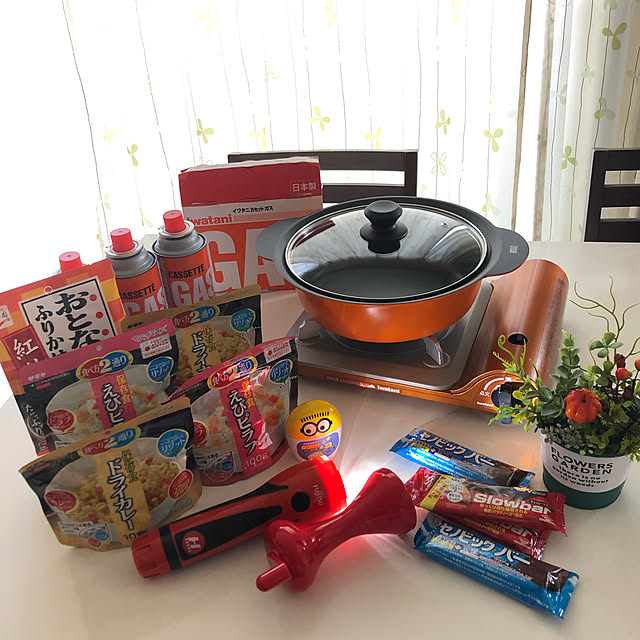
Do not choose a canister count from a generic emergency checklist. Iwatani publishes different maximum-output burn times for different models, and real fuel use changes with heat setting, weather, cookware, and recipe. Practice one meal outdoors, record how much fuel it uses, then add a modest reserve that stays within the canister label and your local storage rules.
Match fuel, cookware, and meal duration to the exact stove.
3. Plan meals that use little water and cleanup
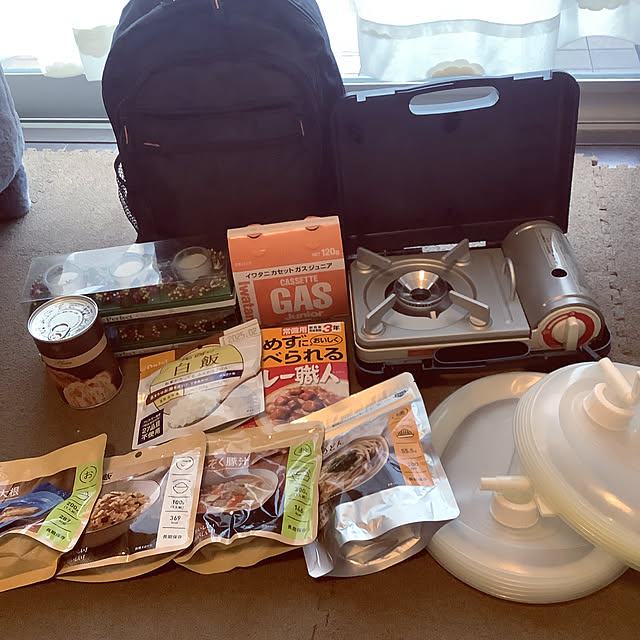
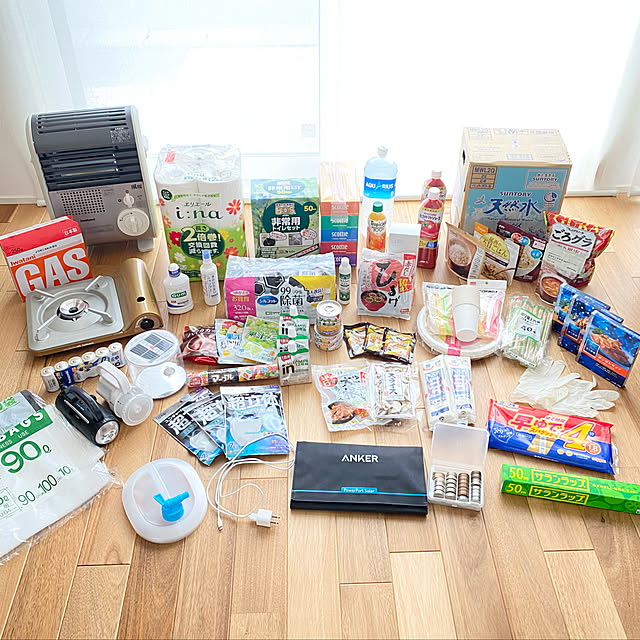
Choose one-pot foods that your household already eats and that fit the approved cookware size. Keep safe water, shelf-stable ingredients, a manual can opener when needed, and a no-cook fallback. During an outage, cooking is only one demand on limited fuel and water.
Plan cooking together with water, lighting, sanitation, and food storage.
For a practical food rotation, use our small-kitchen pantry organization guide. Keep everyday food moving through the pantry instead of building a separate menu that expires unnoticed.
4. Store the stove and fuel for inspection
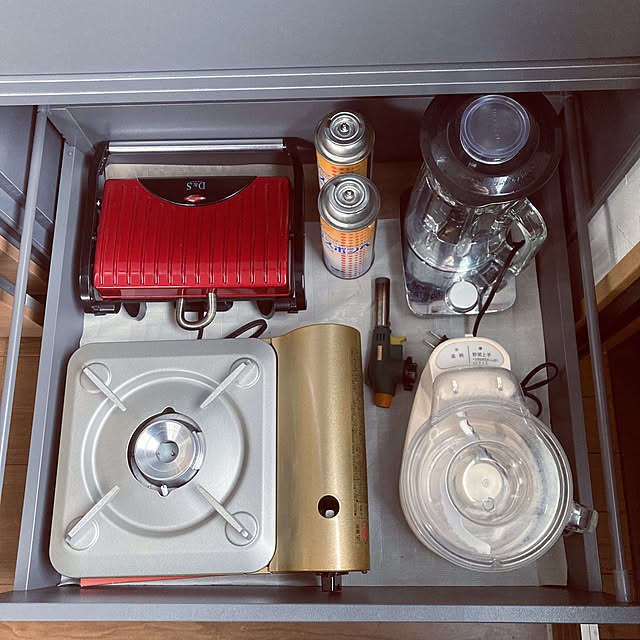
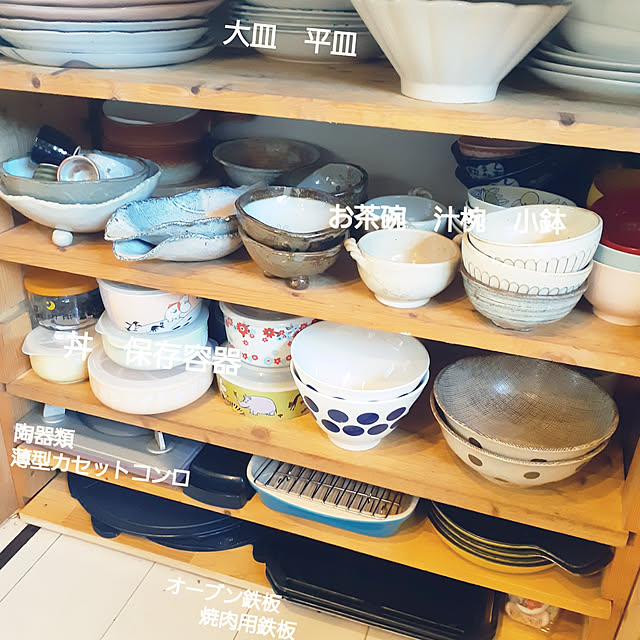
Keep the stove clean, cool, dry, and easy to inspect, with no canister connected. Follow the fuel label and local fire rules for canister storage. Check for corrosion, damaged seals, blocked burner parts, expired supplies, and a missing manual during your normal emergency-kit review.
Accessible storage makes inspection and restocking easier.
5. Practice the complete shutdown outdoors
Before an emergency, practice outdoors with the exact stove, pot, fuel, and meal. Confirm ignition, pot stability, flame control, shutdown, cooling, canister removal, and repacking. Stop using equipment that leaks, will not shut down correctly, or shows damage; follow the manufacturer for service or replacement.

Frequently asked questions
Can I use a portable butane stove inside my home during an outage?
Can I use an Iwatani butane stove inside my home?
Is this only about butane, or do camping stoves count too?
Does a carbon monoxide alarm make indoor use acceptable?
How many butane canisters should I keep for an outage?
What should I keep with an emergency butane stove?
What if I do not have a safe outdoor cooking location?
Bottom line
Let the exact model label and manual decide where the stove may be used. Outdoor, camping, or commercial-restaurant approval does not establish residential approval. If household indoor use is not explicitly supported for your model, keep combustion outdoors in a compliant location and use an appropriately rated electric appliance or no-cook food inside.
by Japanese Home Goods Editorial
RoomClip usage context, manufacturer specifications, and US-market availability are reviewed by the Japanese Home Goods editorial team. We do not claim hands-on testing unless an article explicitly says so.
Related Articles

Japanese Pantry Organization for a Small Kitchen
A practical small-kitchen pantry guide using Japanese homes as examples: food-stock limits, dry-goods drawers, rolling carts, labels, and weekly rotation.

Where Camping Gear Ends Up in Japanese Homes: A 4,500-Photo RoomClip Study
We classified about 4,500 RoomClip photos tagged with gear from outdoor brands such as Snow Peak, Coleman and CAPTAIN STAG to see which rooms it shows up in. Chairs, lanterns and mugs mostly appear indoors; tents and shades are the exception. The counts describe RoomClip posts, not sales.