Japanese Bathroom Storage Ideas for Small Apartments
Make a small Japanese-style bathroom easier to clean with magnetic, hanging, tension-pole, and removable storage ideas that keep bottles and tools off the floor.
Japanese Home Goods
Real-life examples from Japanese homes, curated to help you choose everyday products that actually work. From kitchen tools to smart storage, we show how Japanese-made home goods fit into daily life.
Pour-over gear, coffee stations, and minimalist setups from Japan.
Japanese kitchen tools, rice cookers, tableware, lunchware, and daily cooking essentials.
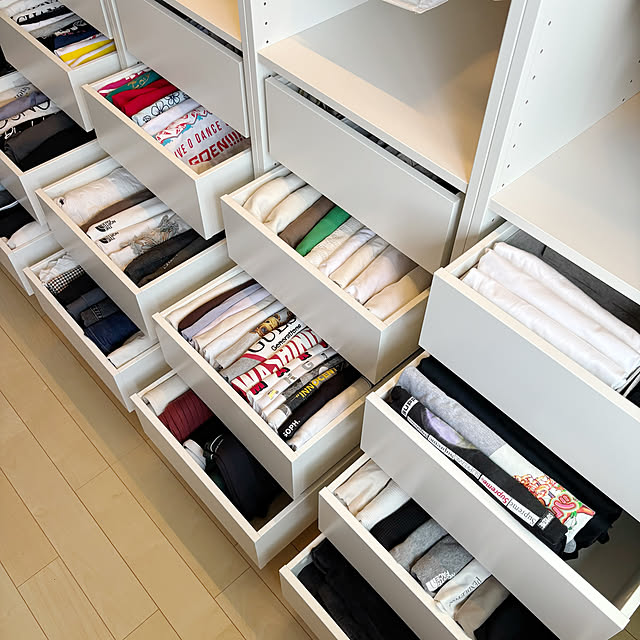
Small-space storage and organization solutions from Japanese homes.
Butane stoves, tabletop cooking, and emergency-ready setups.
Make a small Japanese-style bathroom easier to clean with magnetic, hanging, tension-pole, and removable storage ideas that keep bottles and tools off the floor.
Choose an adult bento box by capacity, carry style, material, reheating needs, and cleaning routine, with three practical Japanese picks for work and commuting.
A practical guide to keeping Japanese kitchen knives sharp and safe with a whetstone, edge-friendly cutting board, hand washing, and proper storage.
A practical guide to Japanese kitchen knife shapes: santoku, gyuto, nakiri, and petty knives, plus storage, cutting boards, and basic care.
A practical guide to Japanese small plates, side plates, sauce dishes, and everyday table settings: what to buy first, how many to own, and how to store them.
We analyzed 8,049 item-tagged rice-cooker photos from RoomClip, Japan's largest home-photo community, to see which brands really fill Japanese kitchens — which ones show up in more RoomClip posts lately, which show up in fewer, and which a U.S. cook can actually buy and plug in. These are RoomClip posting patterns, not market-share or sales figures.
Ramen bowls and donburi bowls look similar online, but they solve different meals. Use this size guide to choose the right depth, width, and storage plan.
We analyzed 38,038 item-tagged photos from RoomClip, Japan's largest home-photo community, to see where real Japanese homes actually put Yamazaki organizers — and which of those products make sense in a U.S. home.
Choose Japanese rice bowls, donburi bowls, ramen bowls, and small plates by everyday use: rice portions, one-bowl meals, noodles, side dishes, and storage.
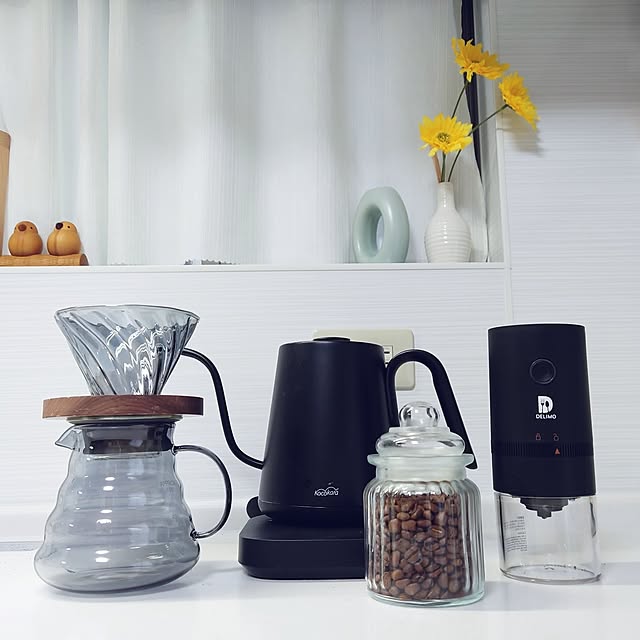
Build a practical HARIO V60 setup around a gooseneck kettle, drip scale, and server, with RoomClip examples for small kitchens.
Small Japanese entryways work when daily shoes, backup pairs, umbrellas, keys, and cleaning tools each have a narrow place to land. Use these real genkan examples to keep the floor clear without adding bulky furniture.
A portable takoyaki grill should fit your table, cook evenly, and be easy to store after the party. These Japanese tabletop examples compare cassette-gas, electric, and slim hot-plate options for small homes.
A practical small-kitchen pantry guide using Japanese homes as examples: food-stock limits, dry-goods drawers, rolling carts, labels, and weekly rotation.
Build a compact Japanese-style coffee station with a V60 stand, gooseneck kettle, filter storage, and a simple daily workflow that fits a small kitchen counter.
Use the same logic a professional organizer would use in a small Japanese apartment: reduce what lives by the door, create narrow zones, and make the entryway easy to reset every day.
The best butane stove for emergency cooking is the one you can store, fuel, and use safely when the power is out. These Japanese cassette stove picks use real RoomClip setups to compare power, storage, fuel planning, and safety.
A small Tiger rice cooker can be a better fit than a full 5.5-cup machine when you cook for one or two people. This guide explains the compact Tiger lanes, what to check before importing, and which style of small Tiger makes sense.
A 2-cup rice cooker is a niche size between ultra-mini and 3-cup models. This guide shows when exact 2-go cookers make sense, when 2.5-go is the better fit, and when to avoid going too small.
A small Japanese rice cooker should fit your counter, your batch size, and your daily routine. This guide separates ultra-mini cookers from practical 3-cup models so you do not buy too small.
Compare Hario V60 plastic, ceramic, and glass drippers by heat, durability, weight, cleaning, and kitchen fit before choosing your daily pour-over setup.
Yakimaru and Aburiya both make Japanese tabletop grilling feel possible at home, but they solve different meals. Use this comparison to choose between smokeless yakiniku and robata-style grilling before you buy.
A 1-cup rice cooker sounds perfect for one person, but a 3-cup model is often easier to live with. Use this guide to choose the small rice cooker size that fits your kitchen, cooking rhythm, and leftover plans.
A 3-cup Zojirushi rice cooker is the right size for one or two people, but model names, heating tiers, and made-in-Japan claims need careful checking. This guide explains the safest buying lanes.
Japanese short-grain rice rewards a cooker that handles heat, soaking, texture, and keep-warm behavior well. This guide narrows the choice to practical Zojirushi and Tiger lanes, plus design-forward options for small kitchens.
The best Iwatani butane stove depends on the job: high-output cooking, efficient everyday hot pot, or a slim stove that is easy to store. These picks use real Japanese tabletop setups to make the tradeoffs visible.
Choose the Hario V60 01 if you mostly brew one small cup. Choose the V60 02 if you want one larger mug, two smaller cups, or a setup that works better with a server.
The best Yamazaki dish rack for a small kitchen depends on the way your sink works: a compact Tower wire basket for daily dishes, a warmer Tosca basket for visible counters, or a folding Tower drainer when you need the counter back.
Micom and IH rice cookers can both make excellent everyday rice. The right choice depends on your batch size, texture expectations, menu needs, counter space, and how much you want to spend.
Tiger rice cookers are strongest when you want a practical Japanese cooker that can live in a small kitchen without feeling precious. These picks focus on compact micom, everyday 5.5-cup tacook, and step-up IH options.
The best Yamazaki Tower kitchen organizers solve a specific small-kitchen problem: a 13cm rolling cart for gaps, an adjustable pan-and-lid organizer for deep drawers, and a countertop rack for dead space beside the stove or sink.
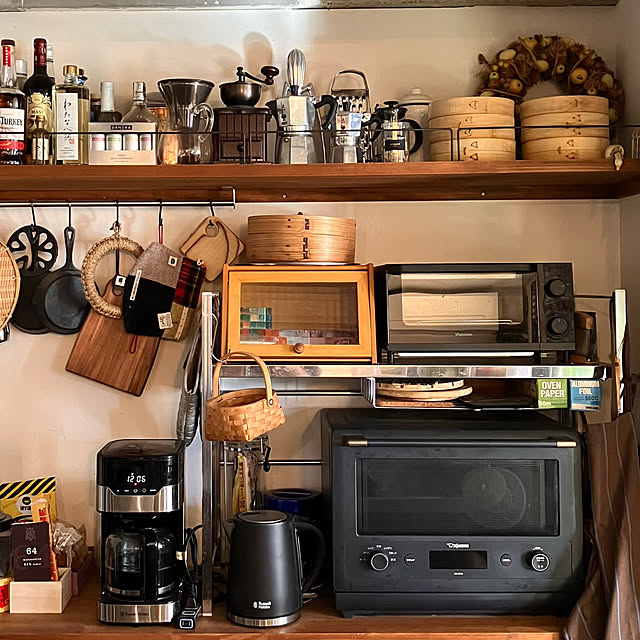
A practical guide to Japanese kitchen organization for small counters, with RoomClip examples showing wall storage, sink zones, drawers, under-sink storage, and resettable prep space.
The best HARIO coffee gear starts with a V60 dripper, a server that matches your batch size, a controlled gooseneck kettle, and a scale if you want repeatable pour-over coffee.
The best Zojirushi rice cooker depends on size, heating tier, and whether you want a current US model or a Japan-market design piece like STAN. This guide narrows the choice to the models that make the most sense for real kitchens.
A mini Japanese rice cooker should solve a space problem without making dinner harder. These compact picks fit one-person routines, narrow counters, and small-batch rice better than a standard 5.5-cup cooker.
If you are stuck between a compact 3-cup cooker and a standard 5.5-cup model, start with kitchen reality, not brand hype. Here is when 3 cup really makes sense, and when 5.5 cup is the safer default.
For most 2- to 4-person homes, a 5.5-cup Japanese rice cooker is the easiest size to live with. It covers dinner tonight, leftovers for tomorrow, and the occasional brown rice batch without feeling oversized.
Brown rice needs more water, more time, and a little more patience than white rice. Here is how to get better texture in a Japanese rice cooker, even if your model does not have a dedicated brown rice setting.
If you are choosing your first Japanese rice cooker, the real question is not which logo wins. It is which brand, size, and heating tier fit the way you cook at home.
A practical guide to Japanese entryway organization for small apartments: how to create clear zones for shoes, keys, umbrellas, and daily overflow without overcrowding the front door.
A complete guide to Japanese rice cookers: how sizes translate from go to cups, what the key settings actually do, and how rice cookers fit into daily routines in Japanese homes.
A portable butane stove can help during a power outage only when you use it outdoors as directed. Plan the location, fuel, cookware, and one simple meal before the power goes out.
In many Japanese homes, cooked rice goes to the freezer, not the fridge. Here is when each method makes sense, how to portion rice while it is still hot, and how to reheat it without drying it out.
A renter-friendly entryway does not need wall damage or bulky furniture. The Japanese solution is to use magnetic, door-side, and slim freestanding storage that keeps the floor clear and the routine easy to reset.
A good small-kitchen coffee station is not a cafe display copied at full size. It is a tight Japanese-style setup built around one dripper, one kettle, one server, and one zone that stays easy to reset.
The best indoor tabletop BBQ setup is not an outdoor grill dragged inside. It is a compact Japanese-style cooking system built around one realistic job at the table, whether that means yakiniku, robata, or takoyaki.
A small apartment entryway works better when keys, umbrellas, shoes, and daily overflow each have a narrow place to land. These Yamazaki Home picks show the Japanese-style organizers worth copying.
A simple V60 setup is enough to start making better pour-over coffee at home. Here is the one beginner recipe, the gear that matters, and the Hario picks worth buying.
Two verified 120V, 3-cup Japanese-brand rice cookers for US kitchens, compared by everyday simplicity, grain settings, compact placement, and warranty support.