Small Japanese Rice Cookers for US Kitchens: 2-Cup, Mini, and 3-Cup Choices
Looking for a 2-cup, mini, or 3-cup Japanese rice cooker? Start with your usual batch, then compare four 120V 3-cup models from Zojirushi and Tiger by footprint, keep warm, and where they are made.

A small rice cooker should match the uncooked rice you make most often, the space where the lid opens, and the electrical rating on the exact model. If you searched for a 2-cup or mini cooker, start here: in the US, the smallest Zojirushi and Tiger rice cookers are 3-cup models, and several of them cook a batch as small as 1/2 cup.
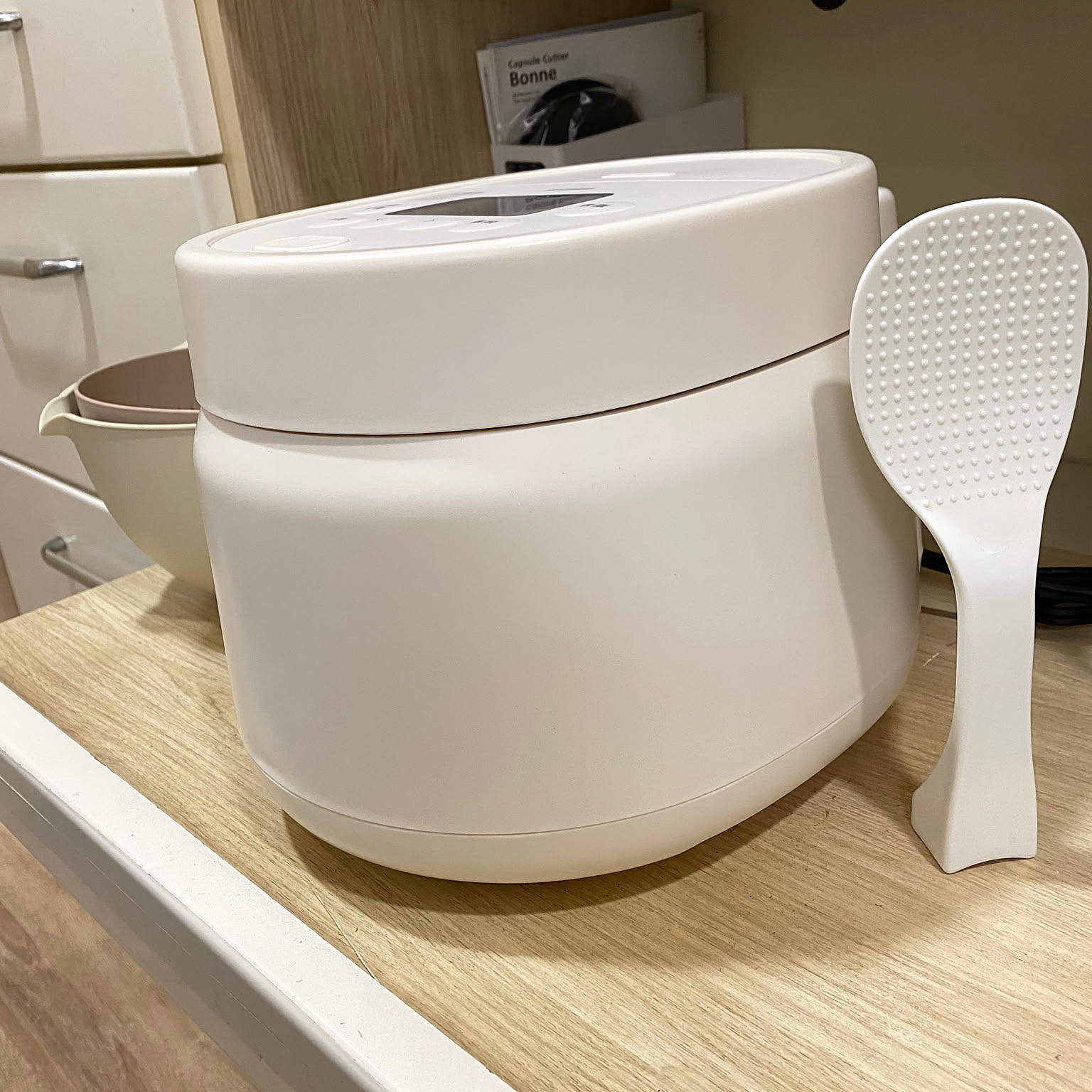
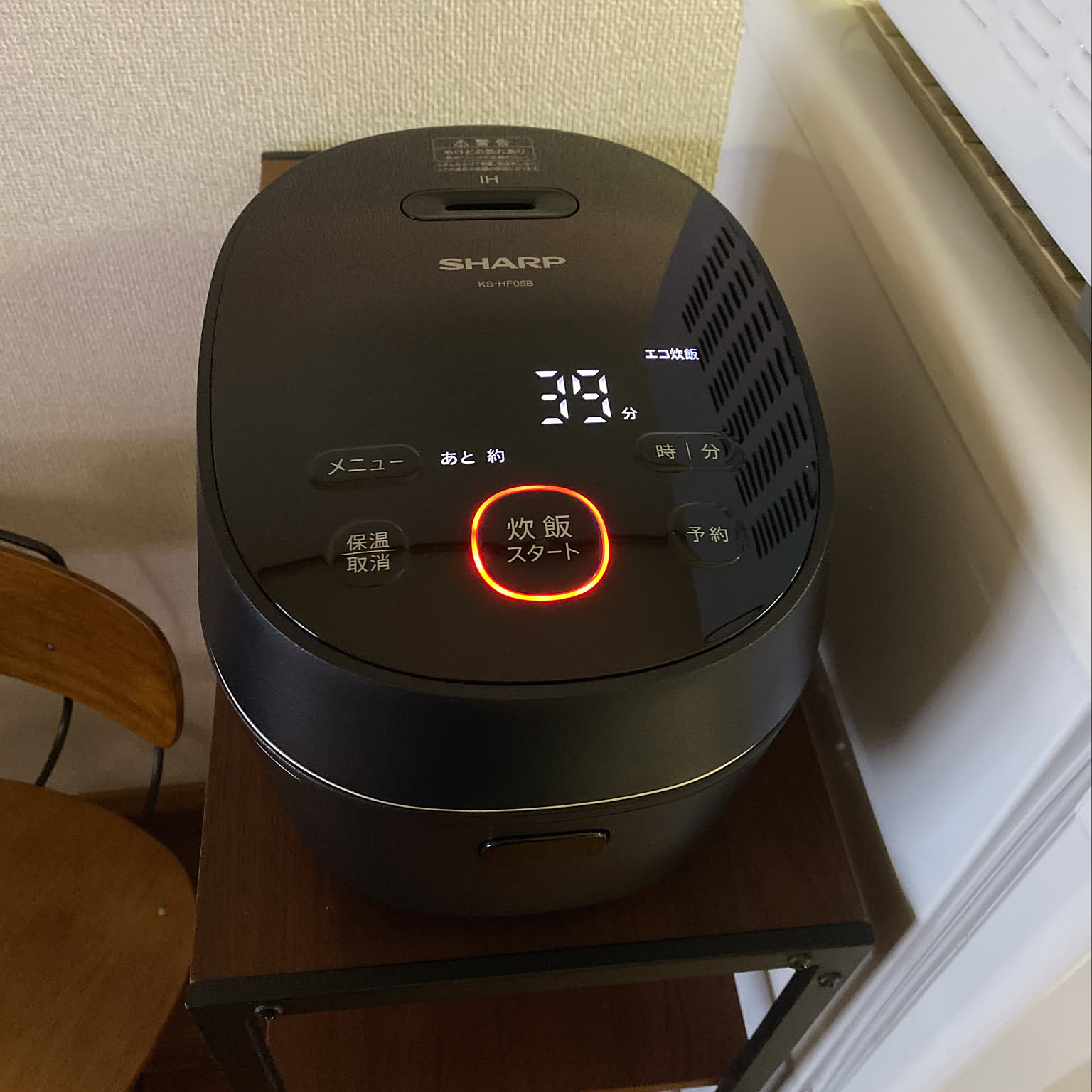
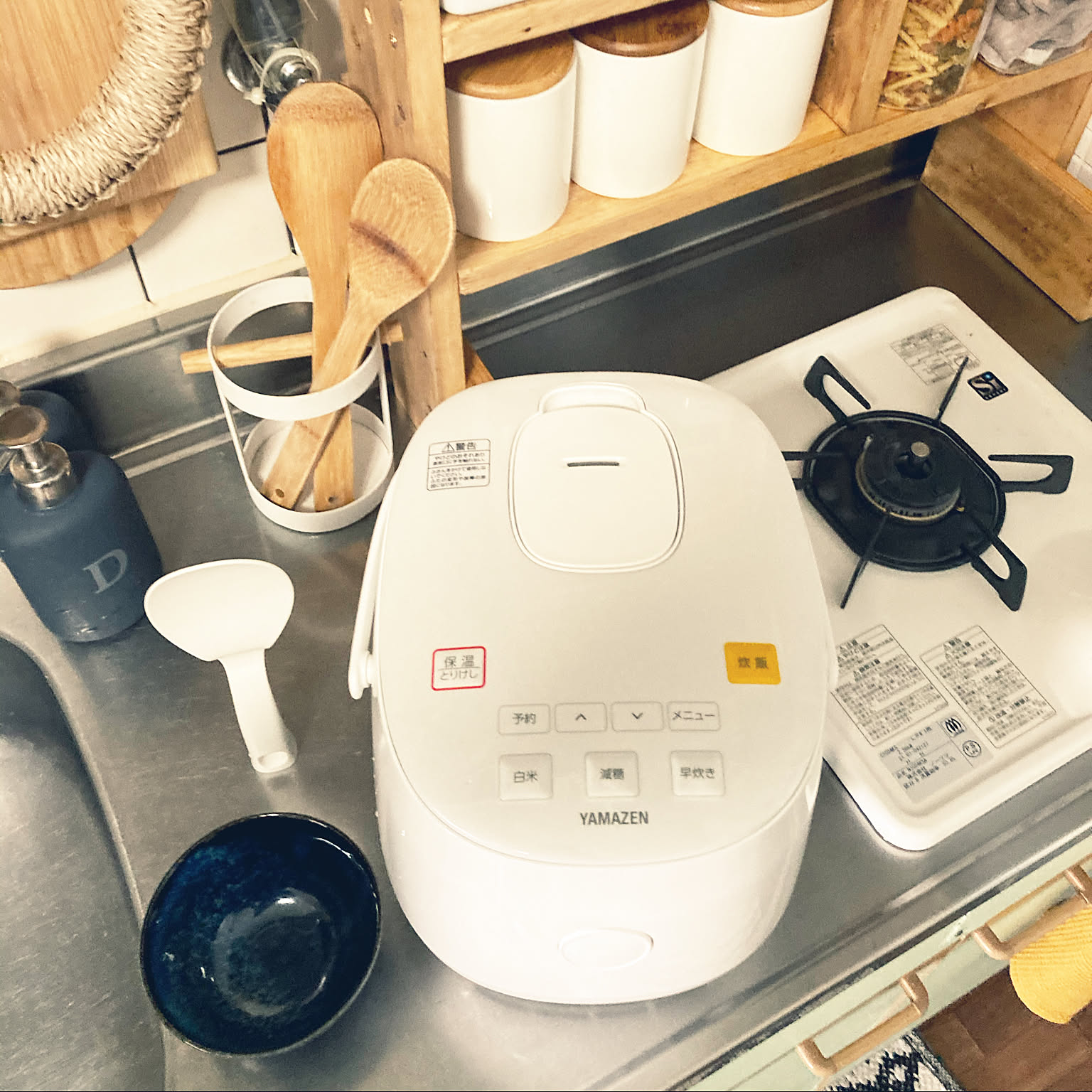
The tiny cookers in these Japanese-home photos show useful placement ideas, but the photographed Panasonic, Toffy, Yamazen, and Iris Ohyama models are Japan-market appliances, not US purchase recommendations.
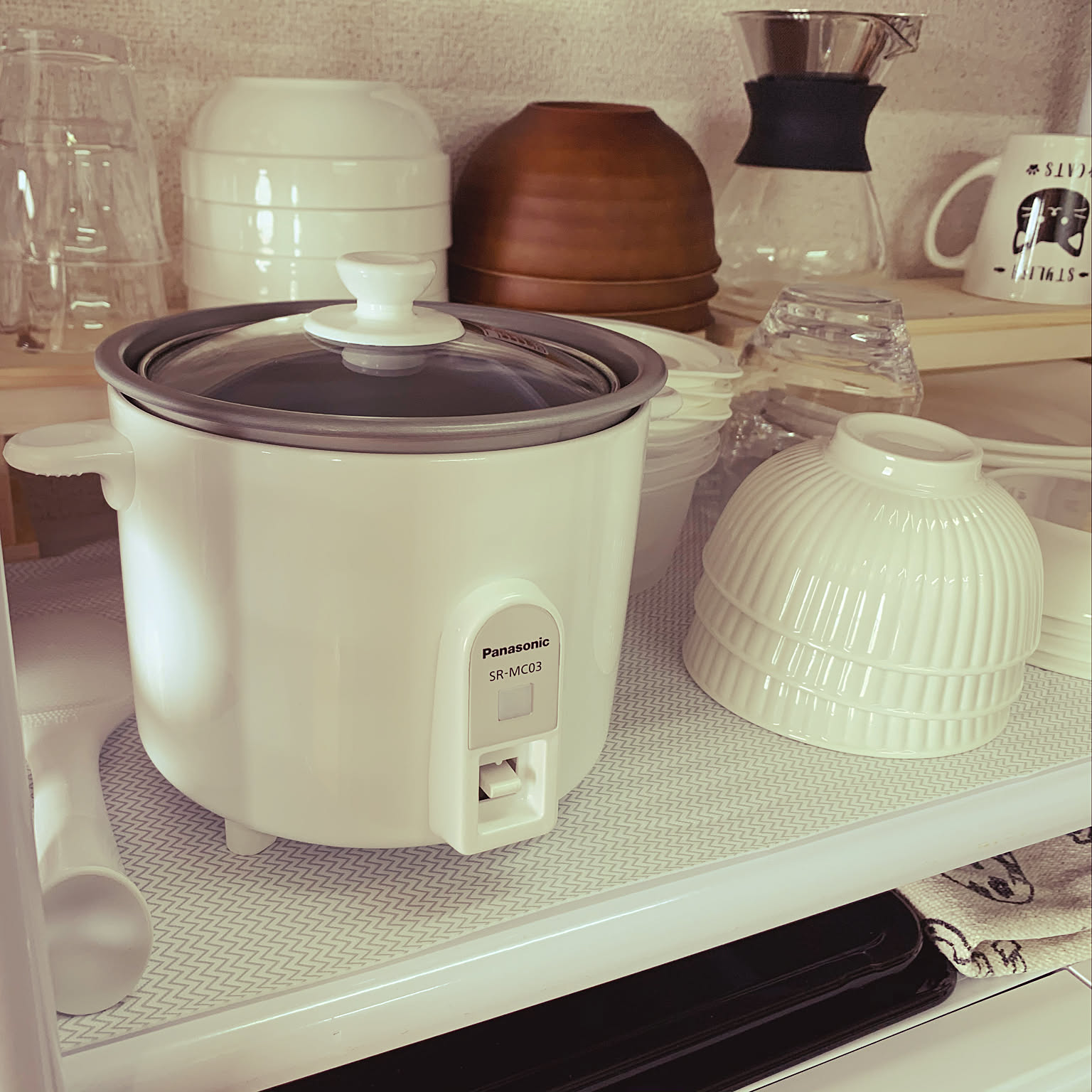
Start with your usual rice batch
Japanese rice-cooker cups are about 180 mL of uncooked rice, smaller than an 8-fl-oz US measuring cup. A 1-cup or 1.5-go cooker makes one fresh serving with little left over. A 3-cup cooker gives you room for two eaters, leftovers, or mixed rice, and the models below still cook 1/2 cup, so you do not need a smaller appliance to make a small batch.
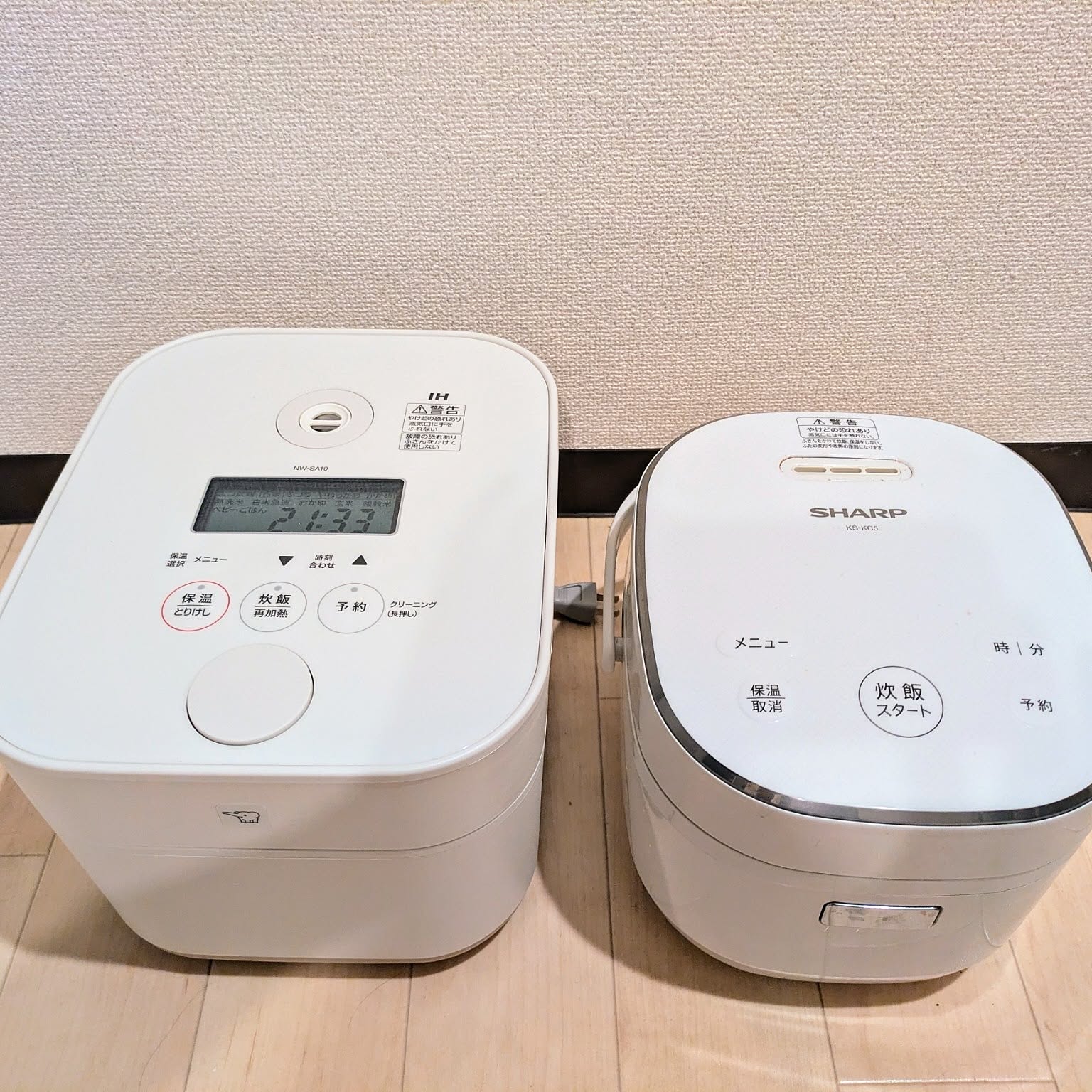
| Spec | Japan-market mini | US-market 3-cup |
|---|---|---|
| Typical role | One small fresh batch | Small daily batches |
| Capacity | Often 1-1.5 go; check model | Up to 3 rice cups |
| US electricity | Usually AC100V; photos are not proof | Choose a listed 120V model |
| Best for | Studying a tiny footprint | One or two regular rice eaters |
| Main drawback | Import voltage and support | More counter and lid space |
Capacity refers to uncooked rice measured with the maker's rice cup. These are shopping paths, not specifications for every model in either group.
Looking for a 2-cup rice cooker?
On October 21, 2026, every rice cooker on Zojirushi's US store held at least 3 cups, and Tiger USA's smallest listed model was the 3-cup JBS-A55U. The 2-go cookers you see in Japanese homes are Japan-market models, usually rated for AC100V.
- If you want a plug-in cooker: choose a 3-cup model that cooks a small batch. Zojirushi says the NS-LGC05 and NP-GBC05 cook as little as 1/2 cup, and Tiger lists the JBS-A55U for 0.5 to 3 cups.
- If you only reheat or cook a single portion now and then: a microwave rice cooker is another route. It takes no counter space between uses, but it has no keep warm and depends on your microwave, so follow its own instructions for water and timing.
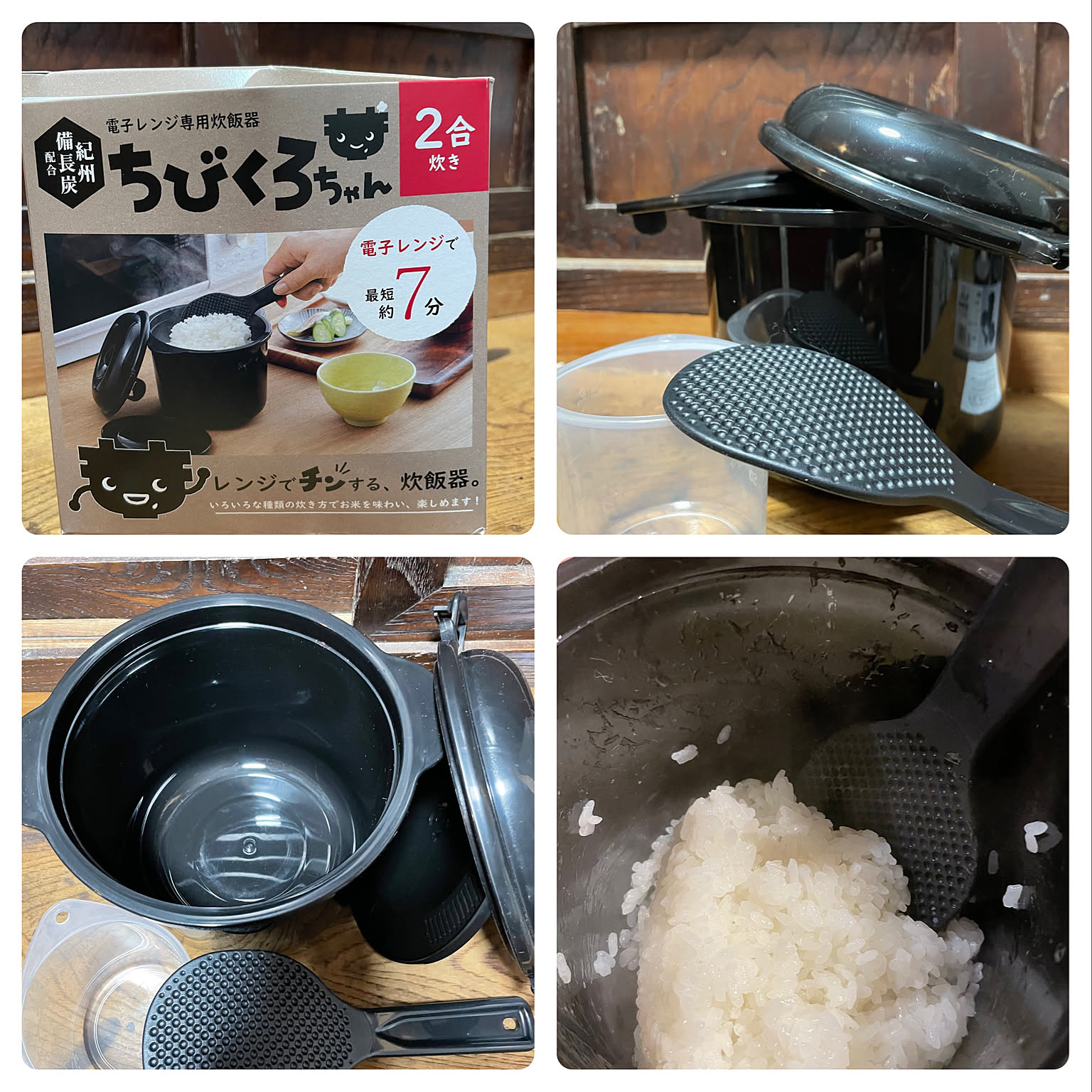
Compare US 3-cup models
These four are listed by Zojirushi and Tiger for US 120V outlets. The differences that matter in a small kitchen are depth, keep warm, and how the cooker heats.
| Spec | Tiger JBS-A55U | Zojirushi NS-LGC05 | Zojirushi NP-GBC05 | Zojirushi NHS-06 |
|---|---|---|---|---|
| Heating | Micom and heater | Micom | Induction heating | Single switch |
| Rating | 120V, 360W | 120V, 450W | 120V, 700W | 120V, 300W |
| Size (W x D x H) | 9.7 x 10.9 x 7.6 in | 9-1/8 x 11-7/8 x 7-1/2 in | 9-1/8 x 11-7/8 x 7-1/2 in | 9-1/8 x 7-1/2 x 7-1/2 in |
| Smallest batch | 0.5 cup | 1/2 cup | 1/2 cup | Not listed |
| Keep warm | Yes | Yes, automatic | Yes | No |
| Made in | Japan | China | Japan | Thailand |
| Price | $179.99 at Amazon | $189.99 | $354.99 | $59.99 |
| Best for | A Japan-made micom cooker | Grain menus and a timer | Induction heating, made in Japan | The shallowest spot |
| Main drawback | No US list price from Tiger | Deepest footprint here | Highest price | No keep warm or menus |
Specifications from Tiger USA and Zojirushi's US store, checked October 21, 2026. Zojirushi prices are its US store prices; Tiger USA does not list one. Prices and stock can change.
Zojirushi's 3-cup models
The NS-LGC05 and NP-GBC05 have the same listed footprint, so paying for induction heating does not buy a smaller cooker. Choose the NP-GBC05 if made in Japan is a requirement: Zojirushi lists it as made in Japan and the NS-LGC05 as made in China. Choose the NS-LGC05 for its menus, which include brown, GABA brown, long-grain, and steel-cut oatmeal settings. The NHS-06 is 4-3/8 inches shallower, but it has a single switch and no automatic keep warm on the 3-cup size. Zojirushi also sells a 3-cup micom NL-BAC05 at $179.99.
Tiger's small US model
Tiger USA lists the JBS-A55U as a 120V, 3-cup micom cooker made in Japan, with ten menu settings and a lid that needs about 15.2 inches of height when open. The Tiger mini and tacook cookers in Japanese-home photos are Japan-market models; the voltage rule above applies to them too.
What you give up to save space
A smaller footprint usually means fewer features. The NHS-06 saves depth but drops keep warm, menus, and the timer, so rice has to be served or stored as soon as it is done. The NS-LGC05 and NP-GBC05 keep those features but need nearly a foot of depth. Decide which feature you would actually miss before you measure for the smallest body.
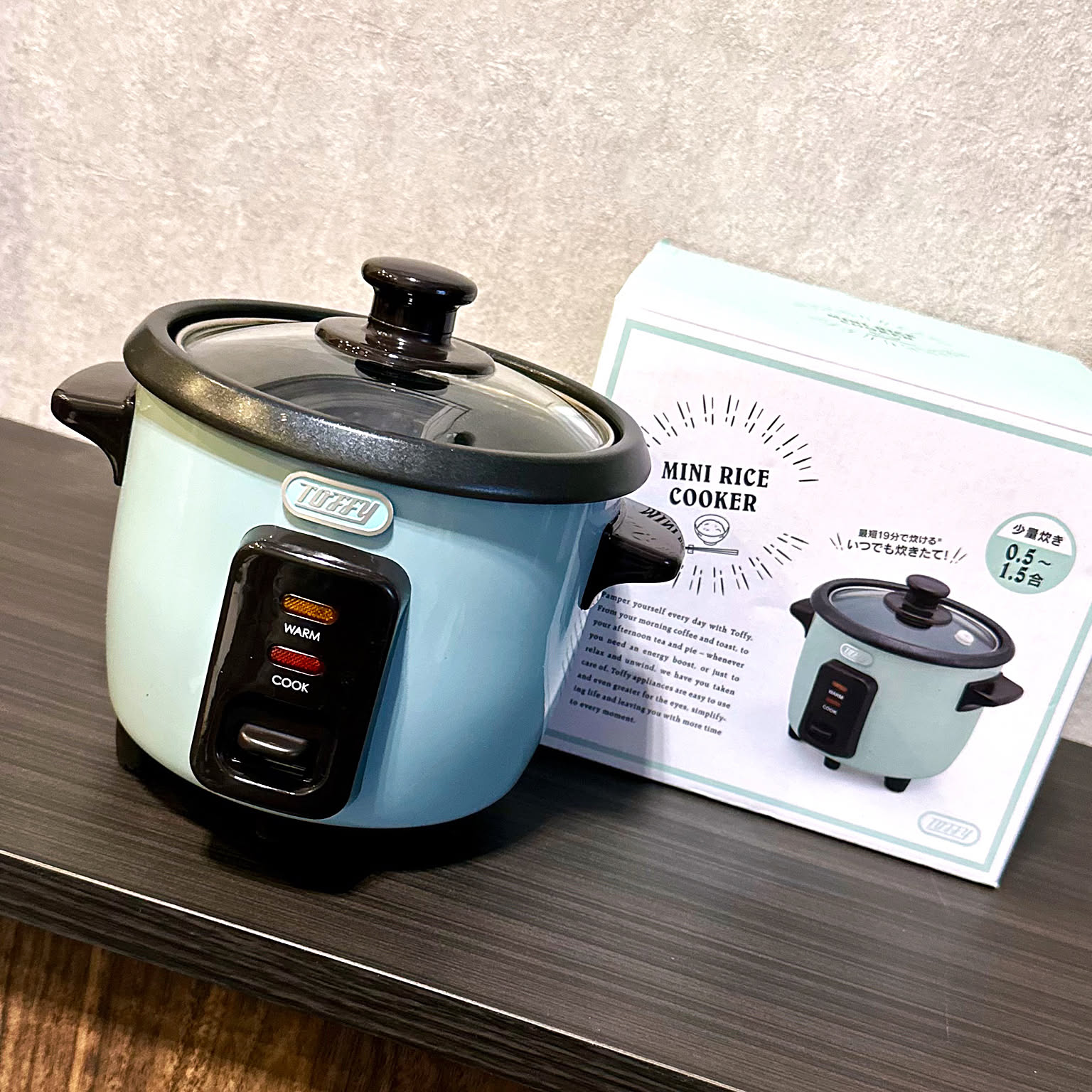
The pictured Toffy K-RC1 is a 0.5- to 1.5-go AC100V model that Toffy marks discontinued. Panasonic also marks the pictured SR-MC03 discontinued. Treat both as Japanese size and layout examples, not products to order for a US outlet. Toffy specifications and Panasonic product status are the primary sources.
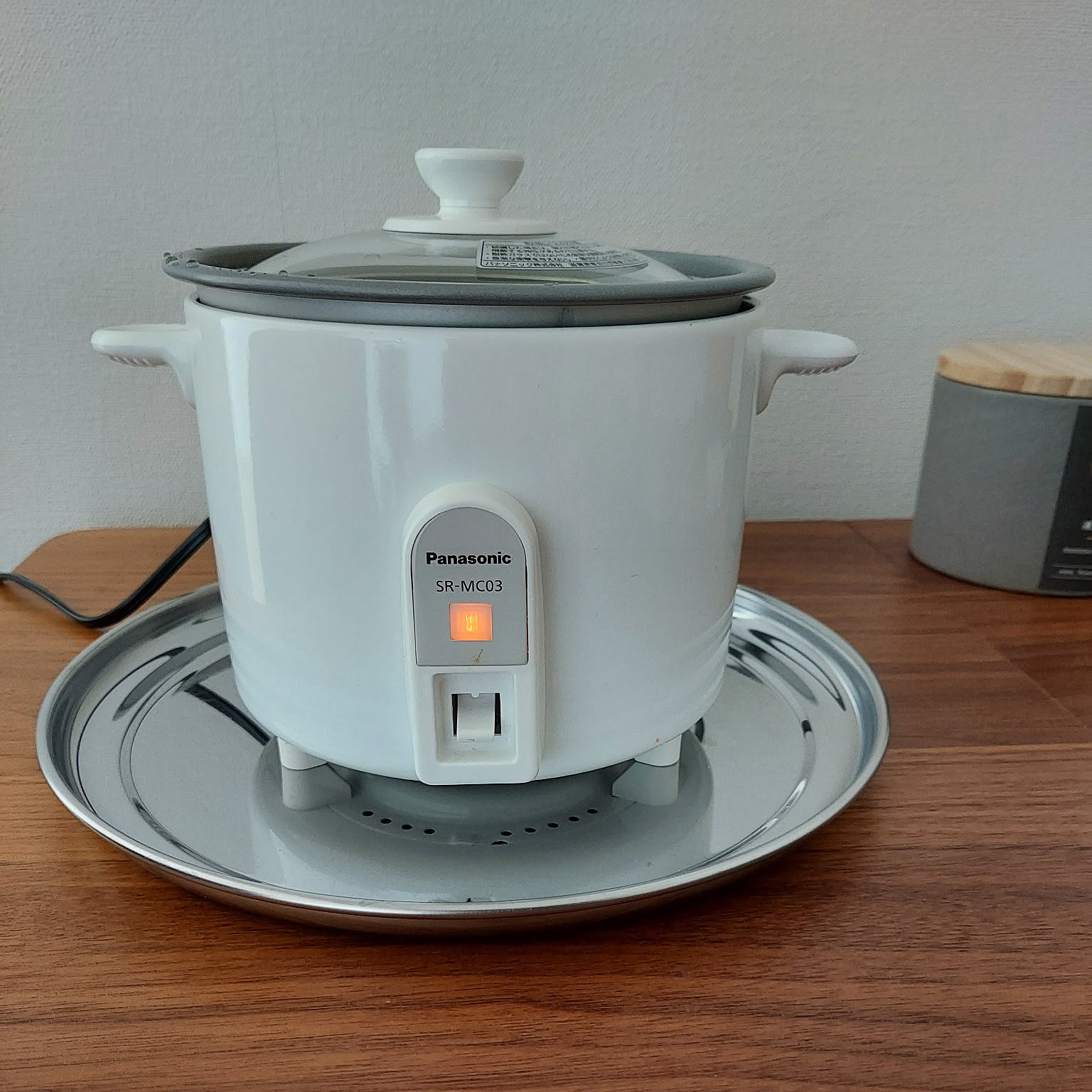
Measure the counter, shelf, and lid clearance
Measure the place where you will actually fill, open, vent, and clean the cooker. A body that fits under a shelf may still be awkward if the lid cannot open or steam reaches the underside of the cabinet. The JBS-A55U, for example, needs about 15.2 inches of height with its lid open. Plan space for the rice bowl and measuring cup, too.
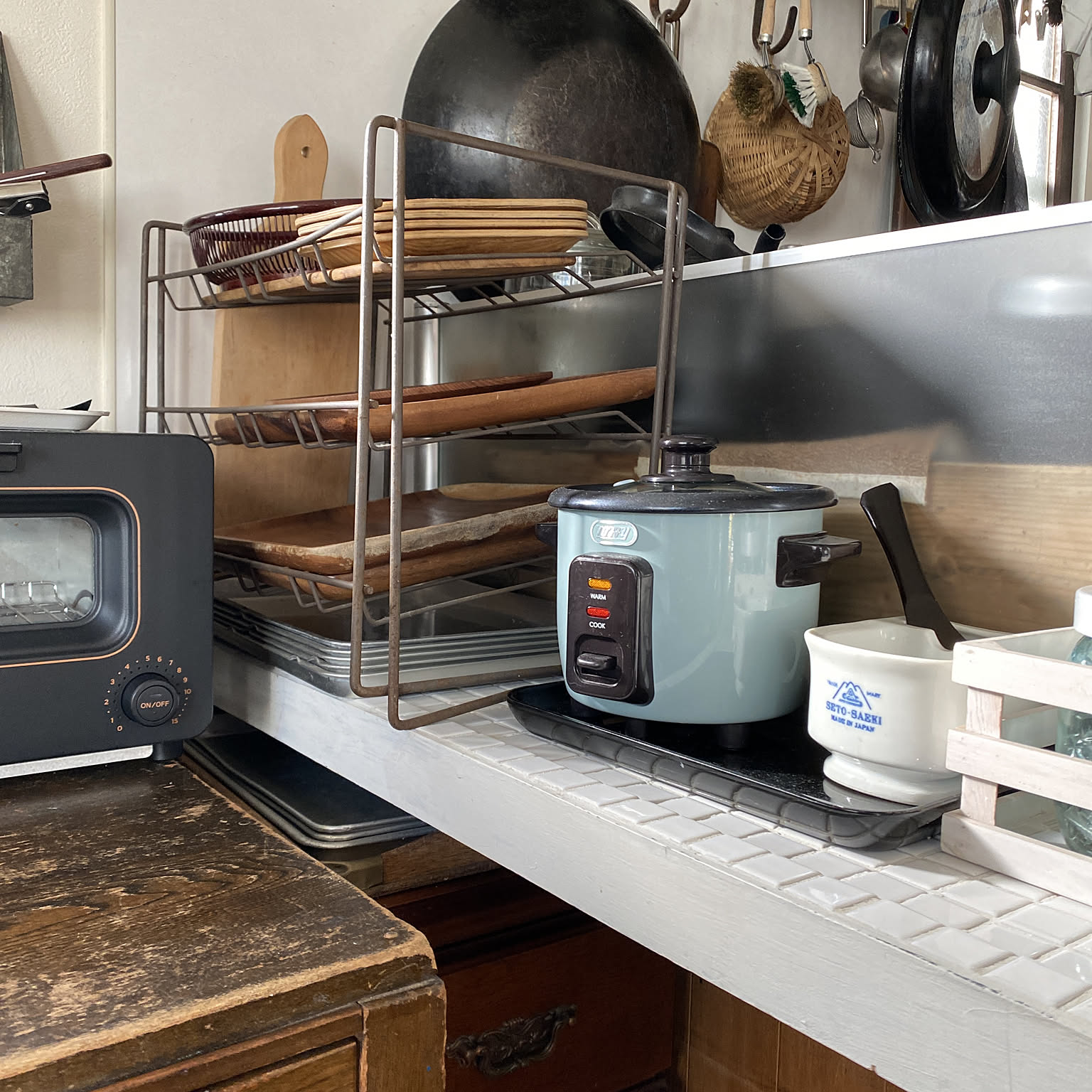
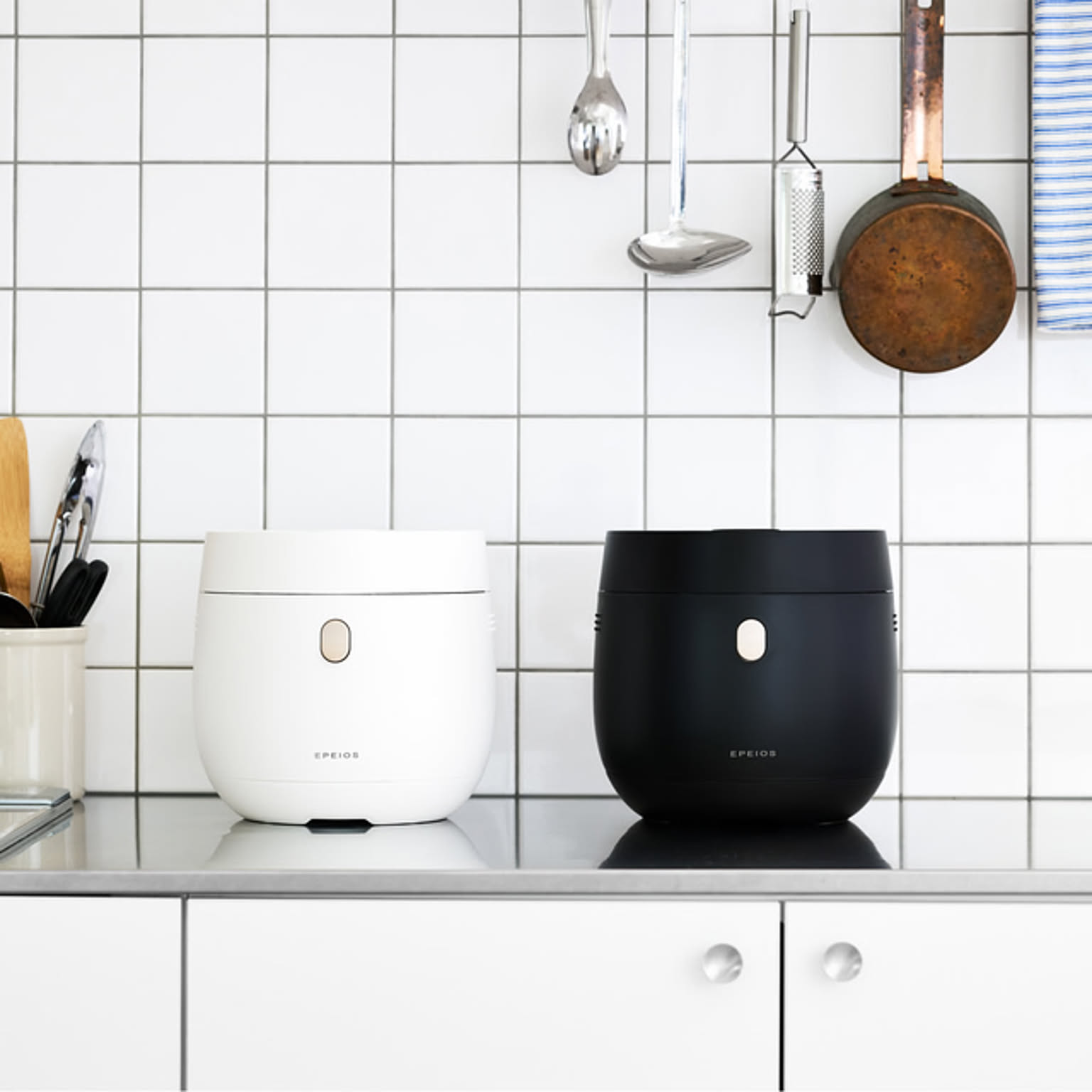
A visible cooker can suit a small kitchen, but finish and color do not compensate for the wrong capacity or voltage. The Japanese-room examples here show placement only; compare a US model's published dimensions and lid-open height before buying.
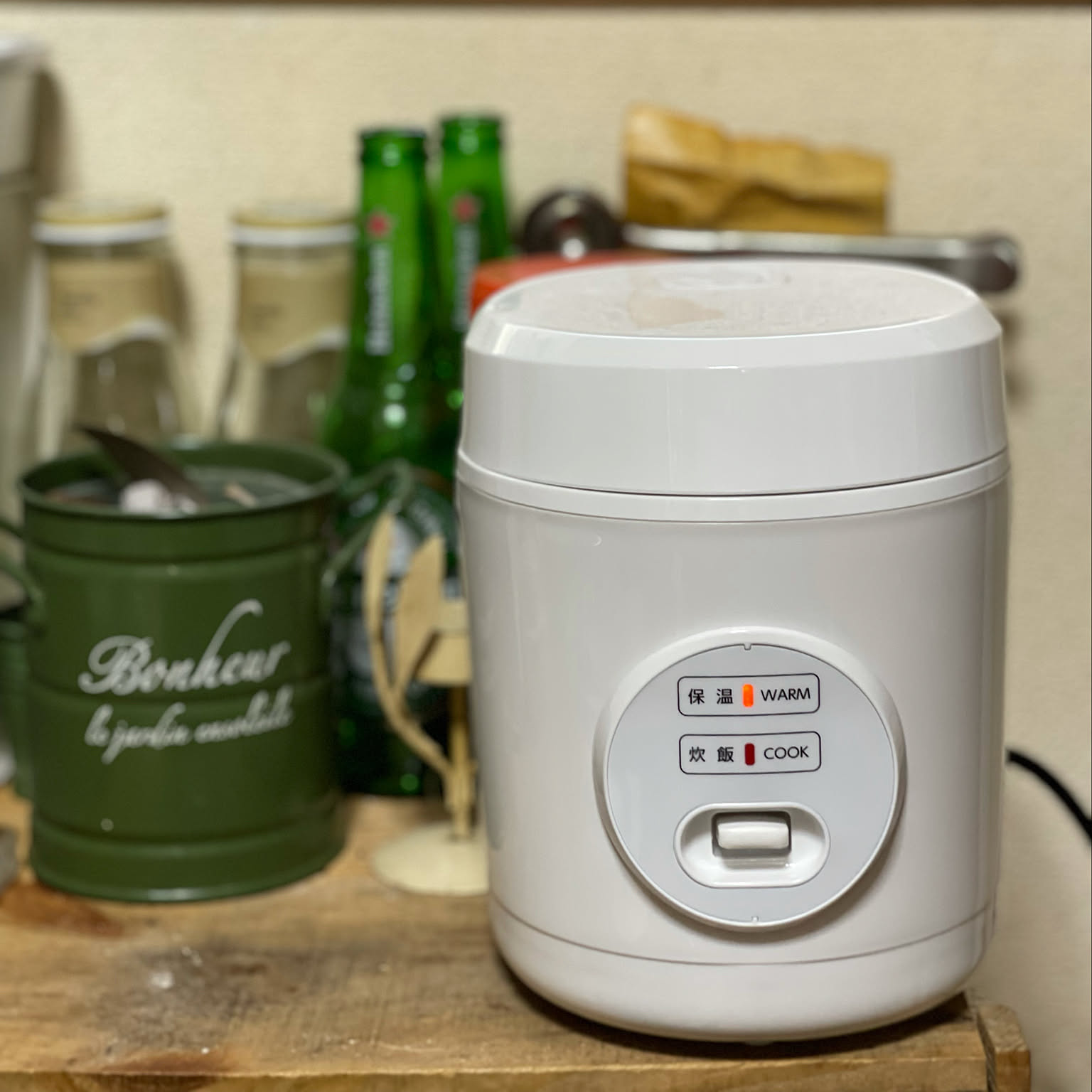
The Iris Ohyama RC-MSA30 in this Japanese-home photo is a size reference only. Iris specifies AC100V for that model, so do not substitute an import listing for a US-rated 3-cup cooker. See the manufacturer's rating.
If you cook and freeze larger batches, a 5.5-cup cooker may suit you better. Our guide to Japanese rice cookers covers choosing between 3-cup and 5.5-cup.
Before you buy
- Read the rating label on the exact model; do not rely on a marketplace title or a plug adapter.
- Compare your usual uncooked-rice batch with the model's stated minimum and maximum.
- Measure the footprint and lid-open clearance where you will use it, not only where you will store it.
- Check the seller, warranty, and replacement-part route for the country where you live.
Ready to buy?
All four are sold by Amazon.com under the exact model numbers below. Check the listing's model number and voltage before ordering.
Tiger
Tiger JBS-A55U Micom Rice Cooker (3-Cup, 120V)
$$ ($179.99 at Amazon, sold by Amazon.com, checked October 21, 2026)
Check Price on AmazonVerify specifications with the manufacturer · Checked 2026-10-21
Zojirushi
Zojirushi NS-LGC05 Micom Rice Cooker & Warmer (3-Cup)
$$$ ($189.99 at Zojirushi US; $189.95 at Amazon, checked October 21, 2026)
Check Price on AmazonVerify specifications with the manufacturer · Checked 2026-10-21
Zojirushi
Zojirushi NP-GBC05 Induction Heating Rice Cooker & Warmer (3-Cup)
$$$$ ($354.99 at Zojirushi US; $315.57 at Amazon, checked October 21, 2026)
Check Price on AmazonVerify specifications with the manufacturer · Checked 2026-10-21
Zojirushi
Zojirushi NHS-06 Rice Cooker / Steamer (3-Cup)
$ ($59.99 at Zojirushi US and at Amazon, checked October 21, 2026)
Check Price on AmazonVerify specifications with the manufacturer · Checked 2026-10-21
Frequently asked questions
What size small Japanese rice cooker should I buy?
Is there a 2-cup Japanese rice cooker sold in the US?
Is a 1.5-go rice cooker enough for two people?
Which Zojirushi 3-cup rice cookers are made in Japan?
Can I use a Japan-market small rice cooker in the US?
When is a 5.5-cup rice cooker better than a small one?
by Japanese Home Goods Editorial
RoomClip usage context, manufacturer specifications, and US-market availability are reviewed by the Japanese Home Goods editorial team. We do not claim hands-on testing unless an article explicitly says so.
Related Articles

Japanese Rice Cookers Explained: Size, Micom vs IH, and Zojirushi vs Tiger
Choosing a first Japanese rice cooker for a US kitchen: decide the size from your usual batch, then micom, IH, or pressure IH, then Zojirushi or Tiger, and check the exact 120V model.

Which Rice Cooker Brands Show Up in Japanese Homes? An 8,049-Photo Study
We analyzed 8,049 item-tagged rice-cooker photos from RoomClip to see which brands appear most often in Japanese homes and how the mix has changed since July 2023. The counts measure RoomClip posting patterns, not sales or national market share.