How Japanese Homes Store Cooked Rice (Fridge vs Freezer)
In many Japanese homes, cooked rice goes to the freezer, not the fridge. Here is when each method makes sense, how to portion rice while it is still hot, and how to reheat it without drying it out.

Quick answer: fridge for short-term, freezer for better texture
In many Japanese homes, cooked rice goes to the freezer by default. The fridge is the backup option when you know the rice is only waiting for the next meal or two. If you want rice that reheats closer to freshly cooked rice, freezing wins most of the time.
The fridge is for short holding. The freezer is the long-game routine.
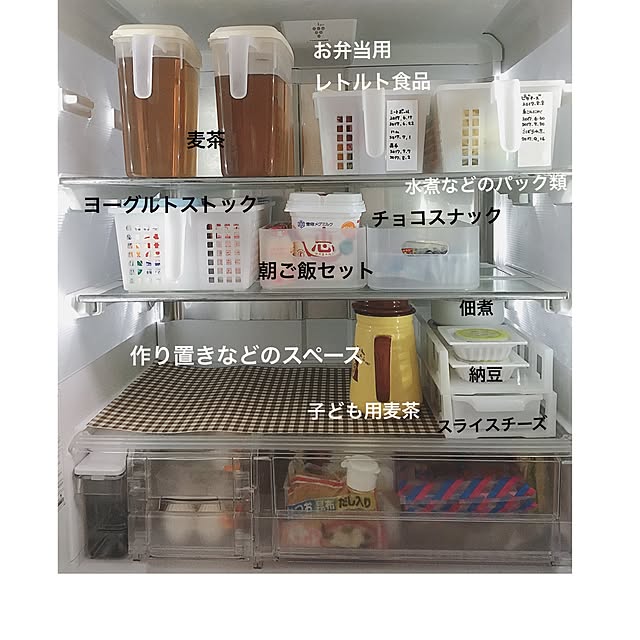
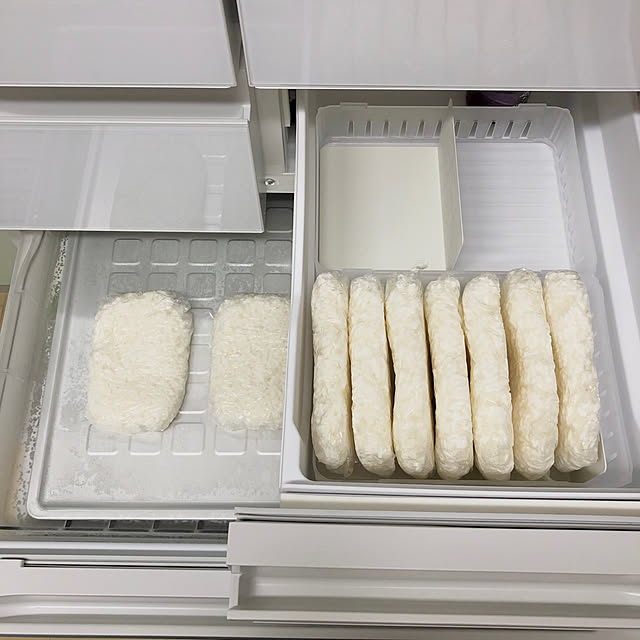
From a food-safety point of view, cooked rice should be chilled promptly, refrigerated rice should be used within 3 to 4 days, and leftovers should be reheated until fully hot. From a texture point of view, the sweet spot is even shorter, which is why many households skip the fridge step and freeze single portions instead.
Why freezing cooked rice is common in Japanese homes
Rice is not treated as an occasional side in many Japanese kitchens. It is something you may eat once or twice a day, often alongside quick toppings, soup, or leftovers. That daily rhythm changes the storage logic. Instead of leaving extra rice in the cooker or hoping the fridge keeps it pleasant, many homes turn extra rice into the next easy meal.
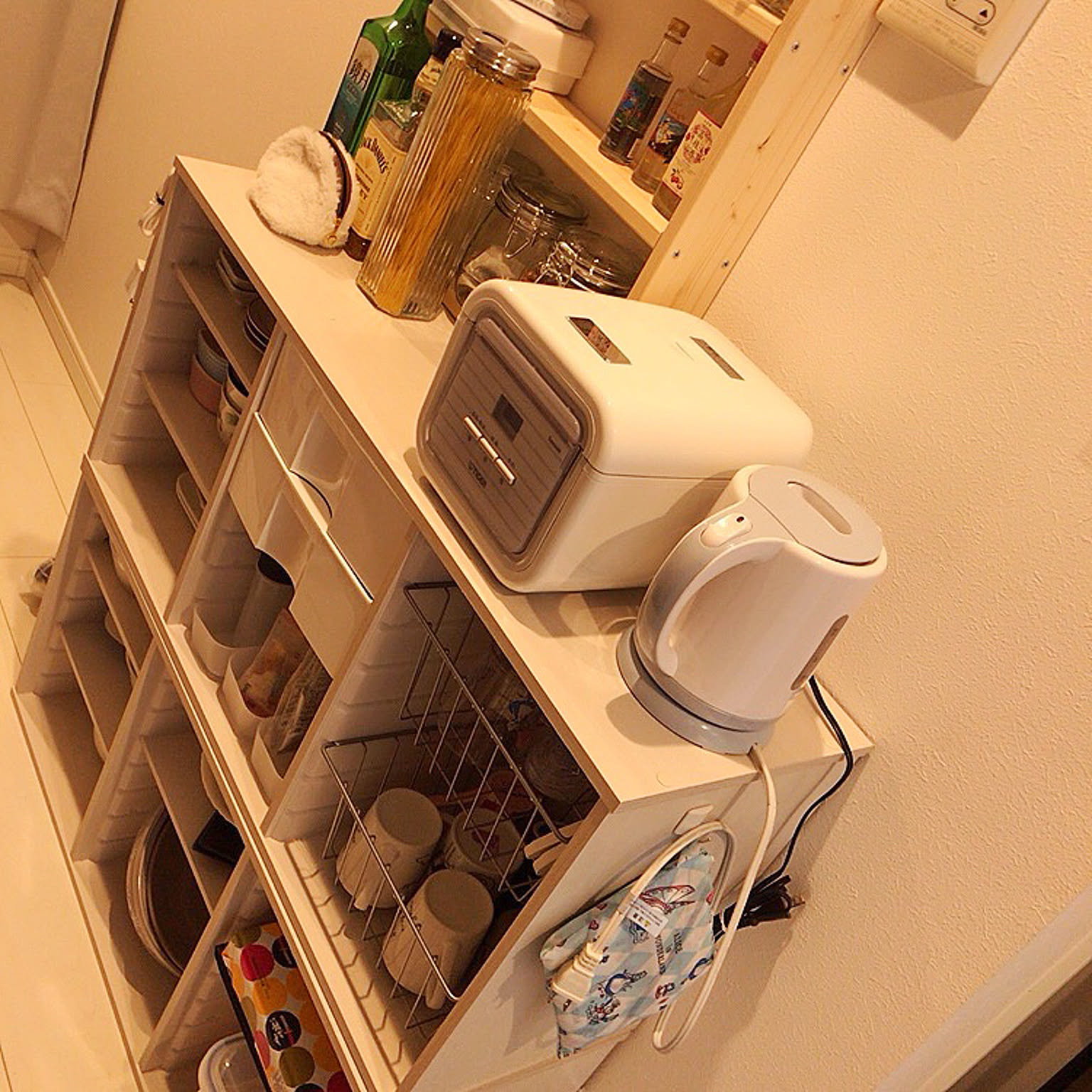
Freezing also fits small-apartment habits. You cook once, portion once, and stop thinking about it. Later, a single serving can go straight from the freezer to the microwave without forcing you to cook a full pot again.
The rule that matters most: portion and wrap while still hot
The texture difference starts here. If you wait too long, steam escapes and the rice firms up before you ever store it. The better move is to portion the rice while it is still hot or very warm, then get those portions cooling and into the fridge or freezer promptly.
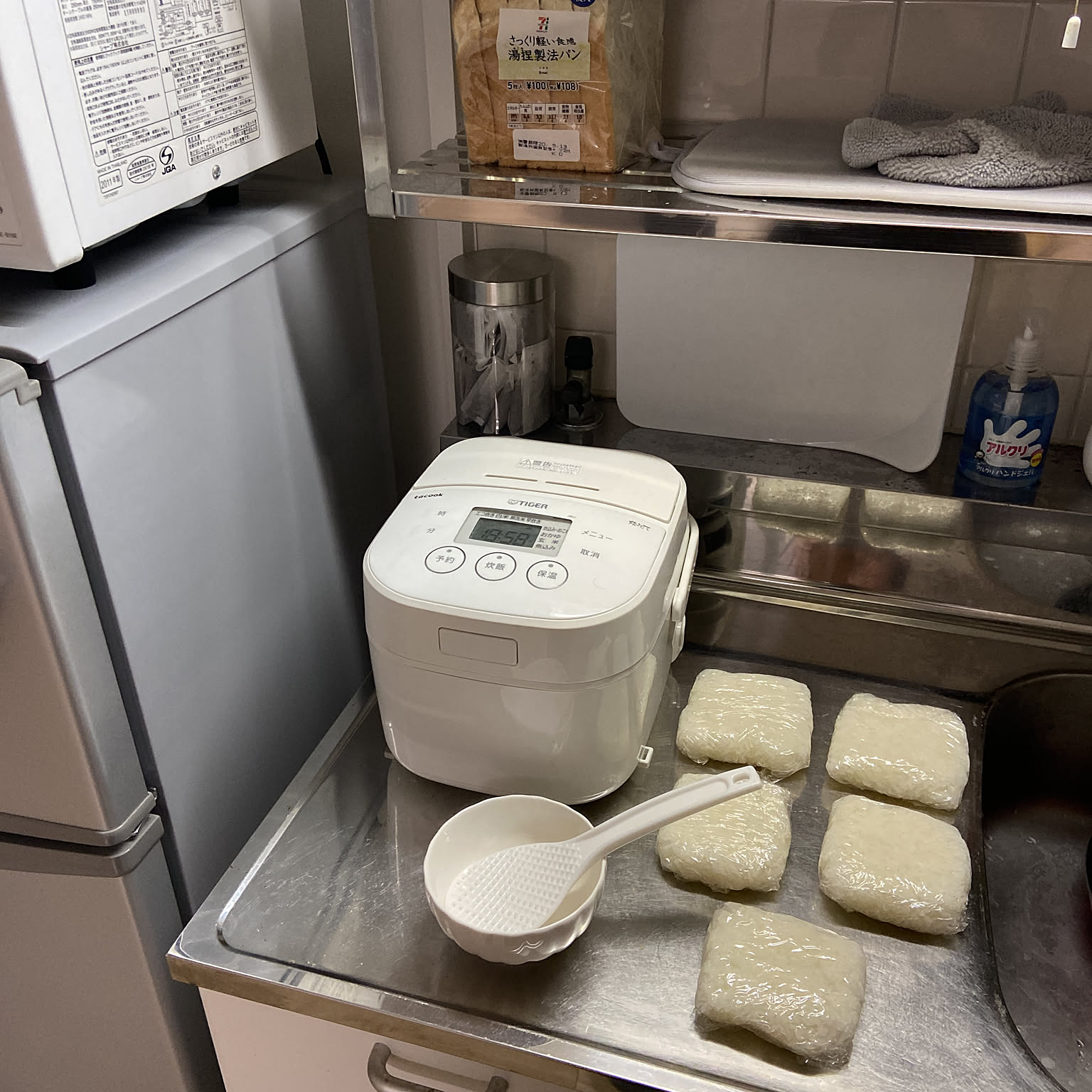
- Fluff first: Break up the just-cooked rice gently so trapped steam spreads more evenly.
- Portion once: Make each pack one meal, not a vague leftover amount.
- Keep it flat: A thin, even portion freezes and reheats better than a thick mound.
- Store promptly: Do not let the rice sit around on the counter while you finish other kitchen tasks.
When the fridge is fine, and what you give up
The fridge is reasonable when the rice will be eaten very soon, such as lunch tomorrow, fried rice later the same day, or a quick backup portion for the next morning. It is the convenience play, not the best-quality play.
- Best use case: You already know when the next meal is, and it is soon.
- Tradeoff: Rice in the fridge loses softness faster and tends to feel drier or firmer.
- Safety rule: Keep it chilled promptly and do not keep pushing the same portion forward day after day.
How to freeze cooked rice so it reheats well
Freezing works because it locks in the rice closer to the moment it tasted good. The goal is not just long storage. The goal is to preserve a rice texture that still feels worth eating later.
- Cook the rice fully and fluff it while hot.
- Divide it into one-meal portions right away.
- Wrap or containerize each portion so moisture stays in and freezer odors stay out.
- Freeze the portions in one layer or in a tidy row so they chill fast and are easy to grab later.
How to reheat without drying it out
You do not need a complicated method. In fact, the Japanese-home version is usually very plain: microwave from frozen, keep the portion covered, and do not stop halfway while the center is still cool.
If you are storing leftover brown rice specifically, start with How to Cook Brown Rice in a Japanese Rice Cooker so the batch that goes into storage is already set up for better texture.
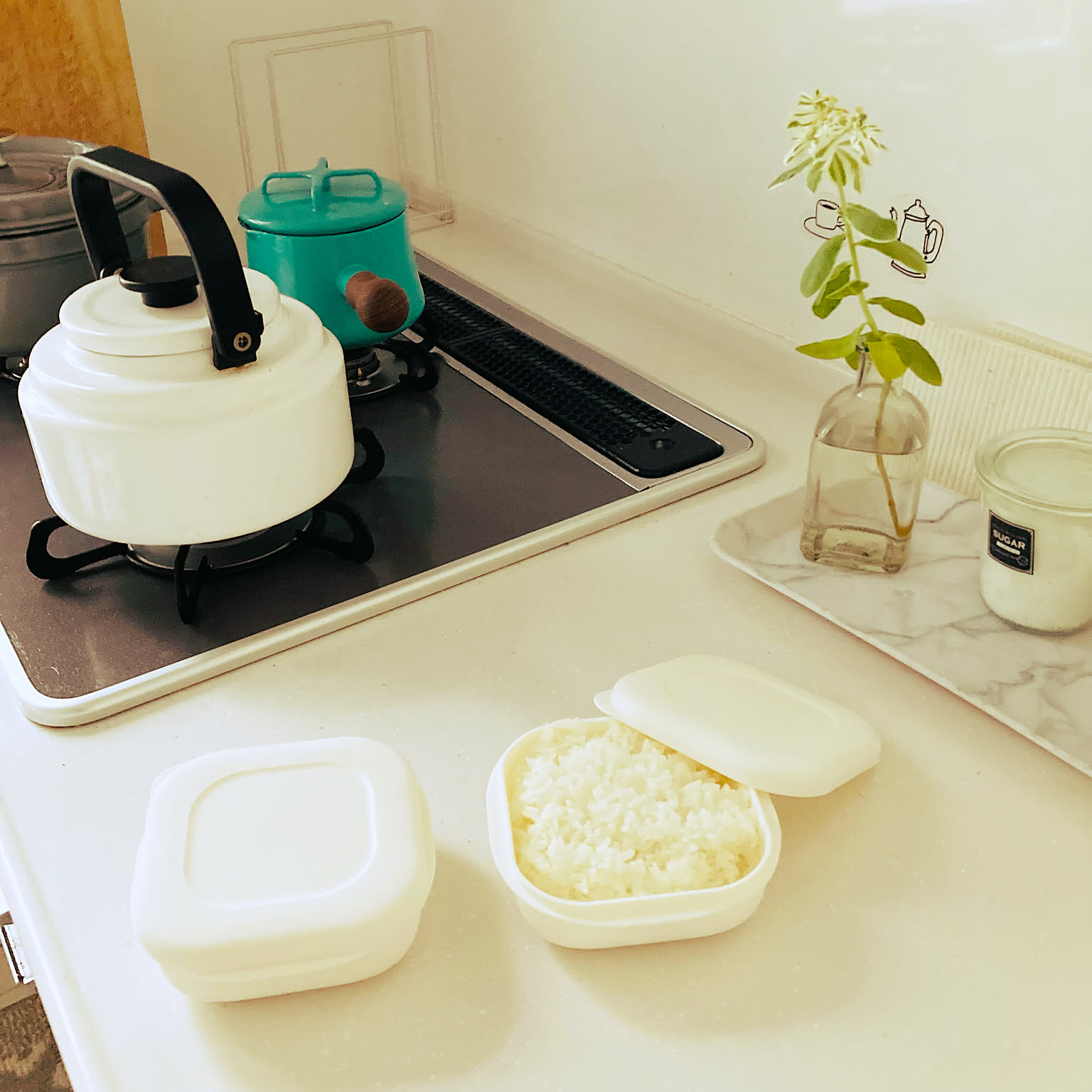
- Microwave from frozen or chilled: No need to thaw a single serving first.
- Keep moisture in: Use a lid, wrap, or another microwave-safe cover.
- Check the middle: Do not judge only by the edges. The center should be just as hot.
Small-apartment storage habits that make this easier
The small-kitchen version is simple: keep one rice lane. That might be one freezer drawer, one bin, or one row that always holds your next few rice portions. The point is that rice should be easy to see, easy to rotate, and easy to take with one hand.
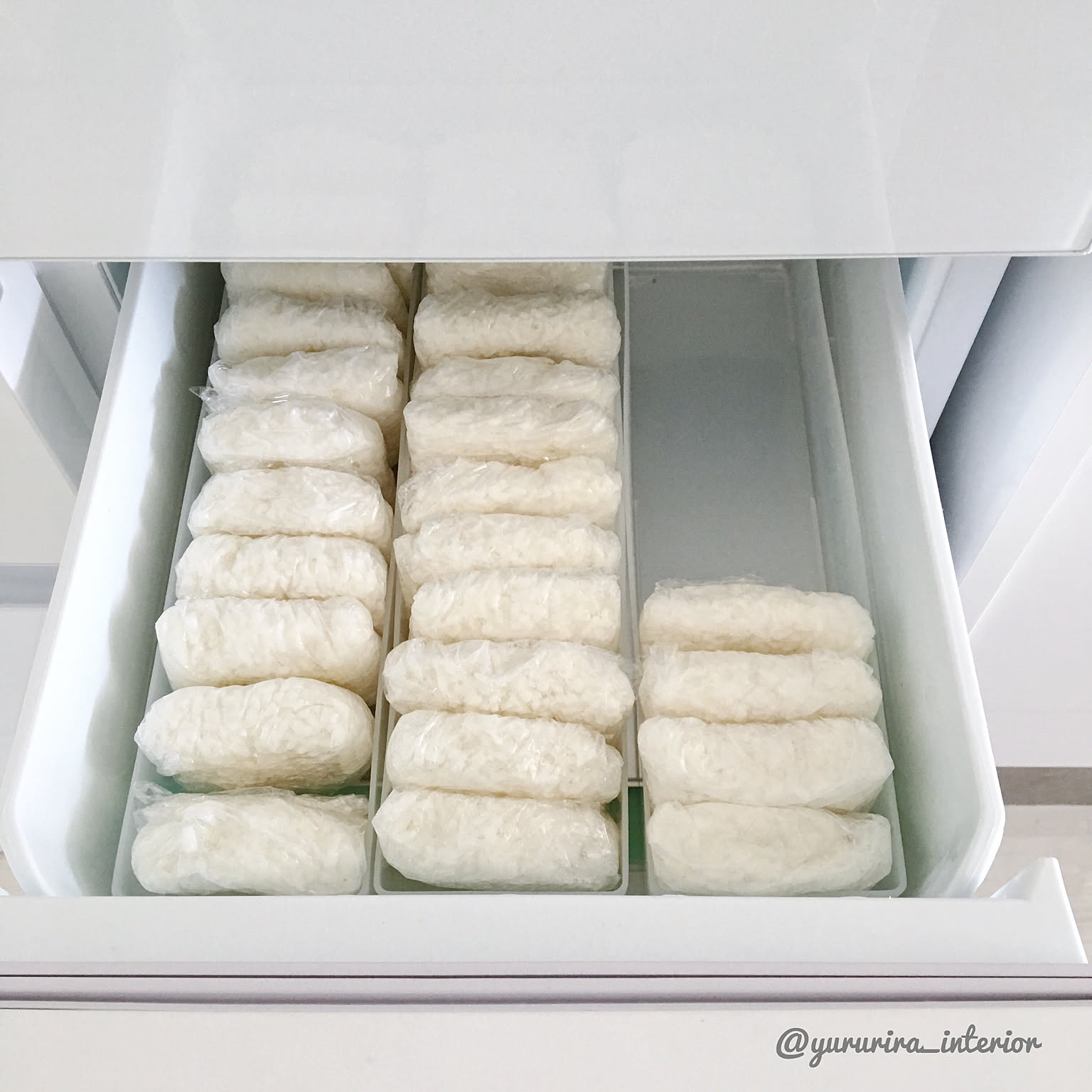
- Pick one zone: Do not scatter rice across multiple shelves or drawers.
- Keep portion size consistent: Uniform packs stack better and help you judge how many meals are left.
- Rotate naturally: Use the front row first and add new portions to the back when possible.
Common mistakes to avoid
- Letting cooked rice sit too long before storing it.
- Packing one large block instead of one-meal portions.
- Using the fridge for too many days and expecting freezer-level texture.
- Stopping the microwave before the center is fully hot.
- Keeping rice hidden in a messy freezer where it gets forgotten.
Frequently asked questions
How long can cooked rice stay in the fridge?
Why do Japanese homes freeze rice instead of refrigerating it?
Can you reheat frozen rice without thawing it first?
Is it better to use plastic wrap or a container?
Bottom line
If you will eat the rice very soon, the fridge is fine. If you care more about texture, convenience, and repeatability, freeze it in one-meal portions while it is still hot, then reheat it until fully hot when you need it. That is why freezer storage shows up so often in real Japanese kitchens.
by Japanese Home Goods Editorial
RoomClip usage context, manufacturer specifications, and US-market availability are reviewed by the Japanese Home Goods editorial team. We do not claim hands-on testing unless an article explicitly says so.
