Best Rice Cookers for Japanese Short-Grain Rice Texture
Japanese short-grain rice rewards a cooker that handles heat, soaking, texture, and keep-warm behavior well. This guide narrows the choice to practical Zojirushi and Tiger lanes, plus design-forward options for small kitchens.

Japanese short-grain rice is forgiving in one sense and demanding in another. The grain is naturally sticky and glossy, so even a simple cooker can make dinner happen. But if you want rice that feels plump, evenly hydrated, and still pleasant after keep-warm or freezing, the cooker starts to matter.
The best rice cooker for Japanese short-grain rice is not automatically the most expensive model. Start with capacity, heating tier, and your leftover routine. Then choose the brand or design line that fits how the cooker will live in your kitchen.
This guide is about short-grain rice texture, not every rice cooker size. If size is the main question, compare Best 3-Cup Rice Cookers and Best 5.5-Cup Japanese Rice Cookers first.
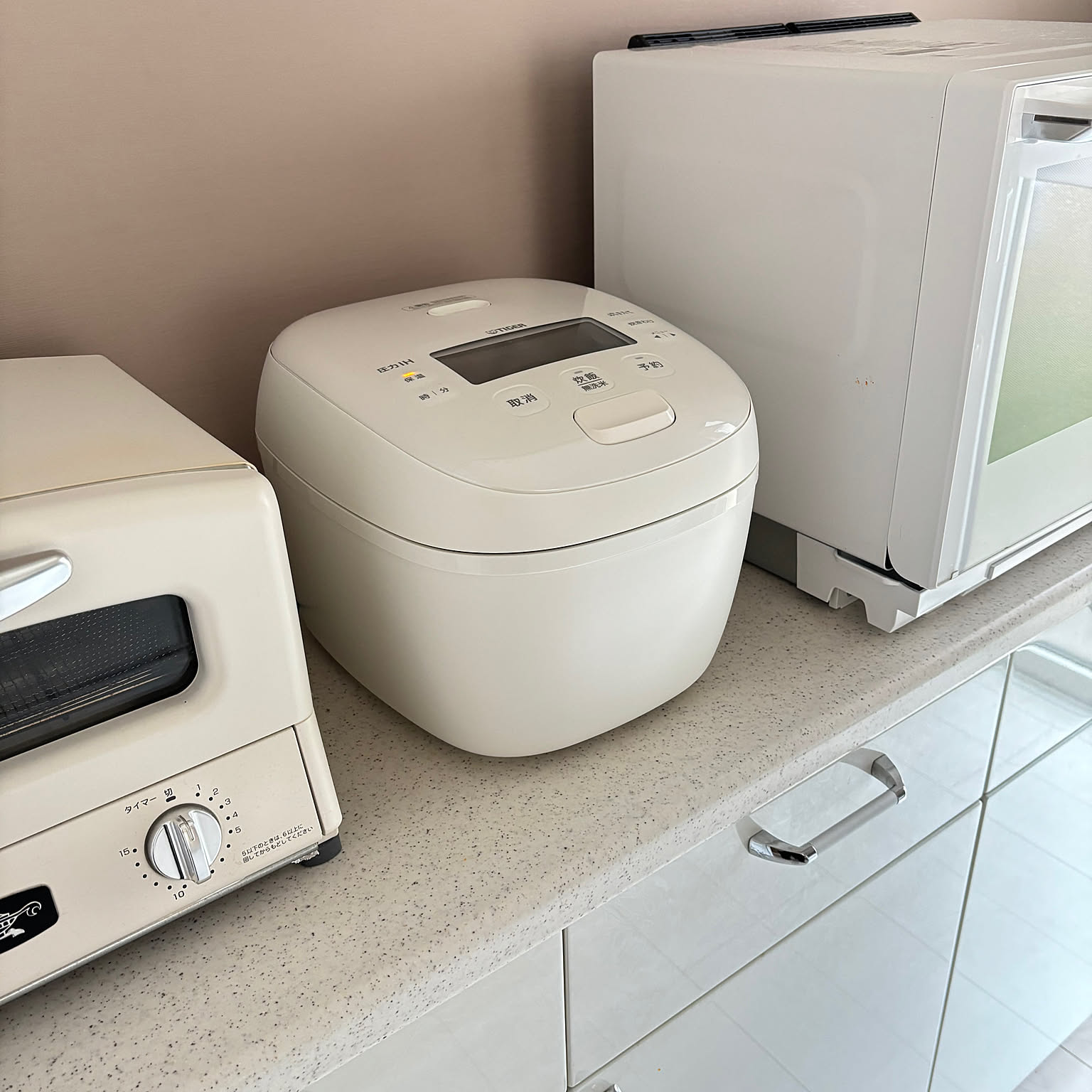
Quick answer: choose by texture, size, and daily access
If rice texture is the main reason you are upgrading, start with a Zojirushi IH or pressure-IH lane. If you want a practical everyday cooker for white rice, family meals, and leftovers, a Tiger IH lane is easier to justify. If your cooker stays visible on the counter, a design-forward Zojirushi STAN.-style lane can make sense, as long as you check import details carefully.
- For the best texture: look at Zojirushi IH or pressure-IH models first.
- For practical value: look at Tiger IH models with simple controls and easy cleanup.
- For small visible kitchens: choose the cooker you will actually leave accessible, not the one you hide.
Why short-grain rice exposes weak cookers
Japanese short-grain rice depends on even hydration and controlled heat. If the cooker runs too hot, the bottom can dry or crust before the center is ready. If it runs too gently, the finished rice can feel flat and wet. That is why the best upgrade is usually not more capacity, but better heat control.
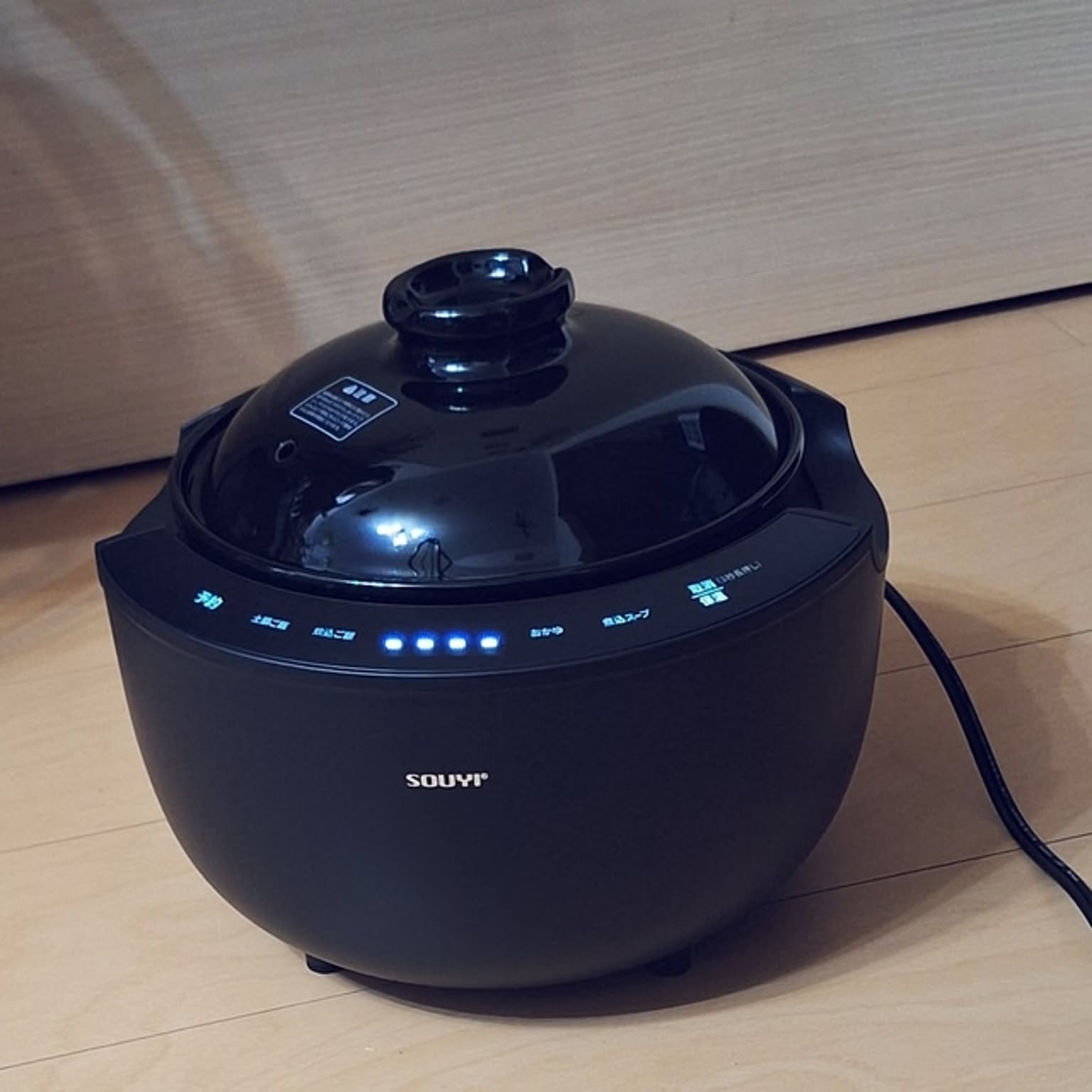
A clay-pot style cooker, IH cooker, or pressure-IH cooker can all be part of that answer, but they solve the problem differently. A clay-pot design leans into heat retention. IH uses induction heat for more responsive control. Pressure IH adds another layer of texture control, which is useful if you are particular about firmness and sweetness.
Pick the capacity before the brand
Capacity is the first real fork. A 3-cup cooker is best for one person, two light rice eaters, or a narrow counter. A 5.5-cup cooker is the safer default for two or more people, batch cooking, brown rice, mixed rice, and freezing leftovers.
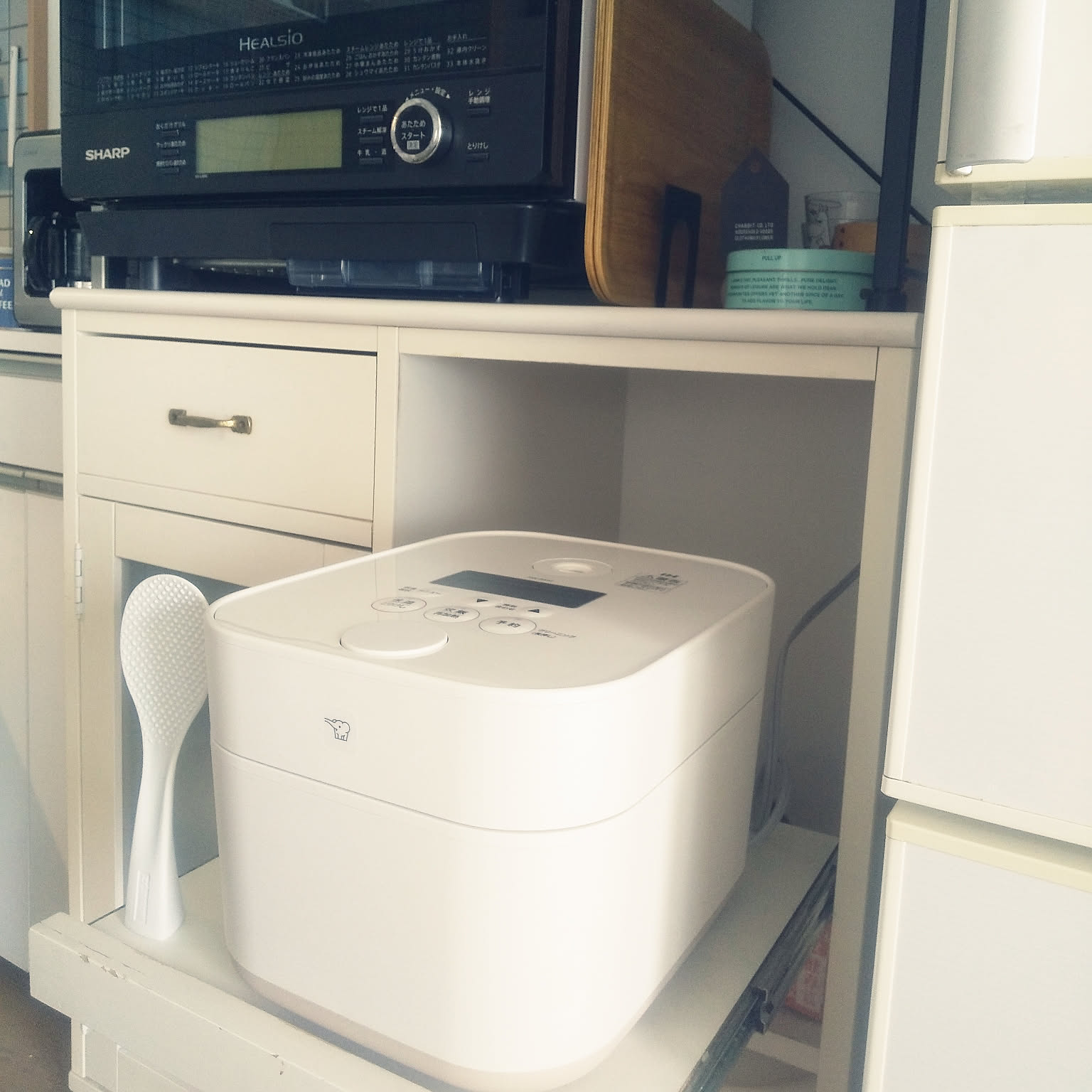
- 3-cup: fresh small batches, compact kitchens, fewer leftovers.
- 5.5-cup: two-person households, small families, freezer portions, and more premium model choices.
For a deeper size breakdown, compare our 3-cup rice cooker guide and 5.5-cup rice cooker guide.
Micom, IH, and pressure IH for short-grain rice
Micom cookers are still useful if you mostly want white rice at a lower price. IH becomes more compelling when you want better heat response and more consistent texture. Pressure IH is the step-up lane when you care about firmness, sweetness, and advanced rice menus enough to pay for them.
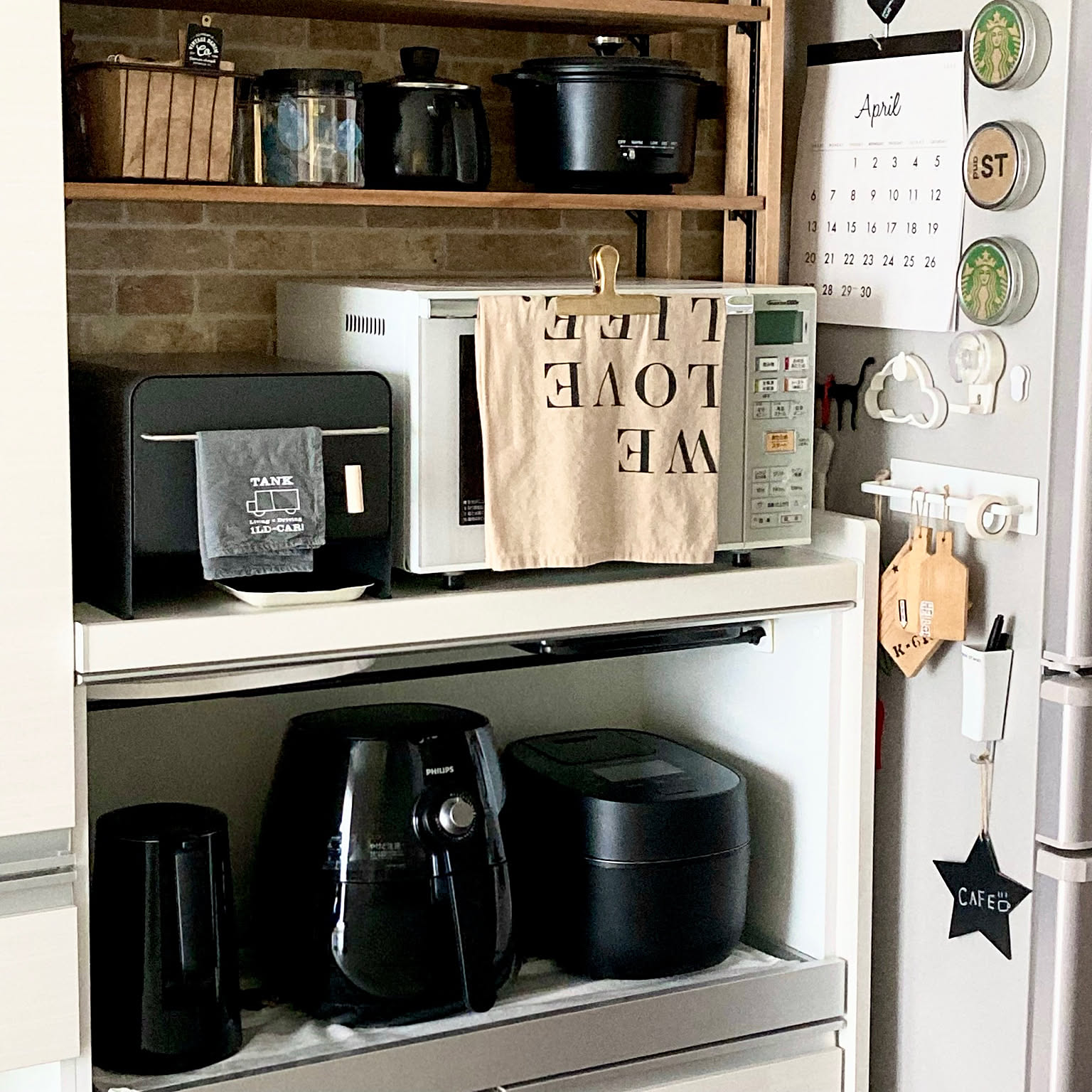
For most US buyers who are serious about Japanese short-grain rice, the sweet spot is a 5.5-cup IH cooker from Zojirushi or Tiger. Go smaller only if your kitchen or batch size demands it. Go pressure-IH only if rice quality is a daily priority, not just a nice idea.
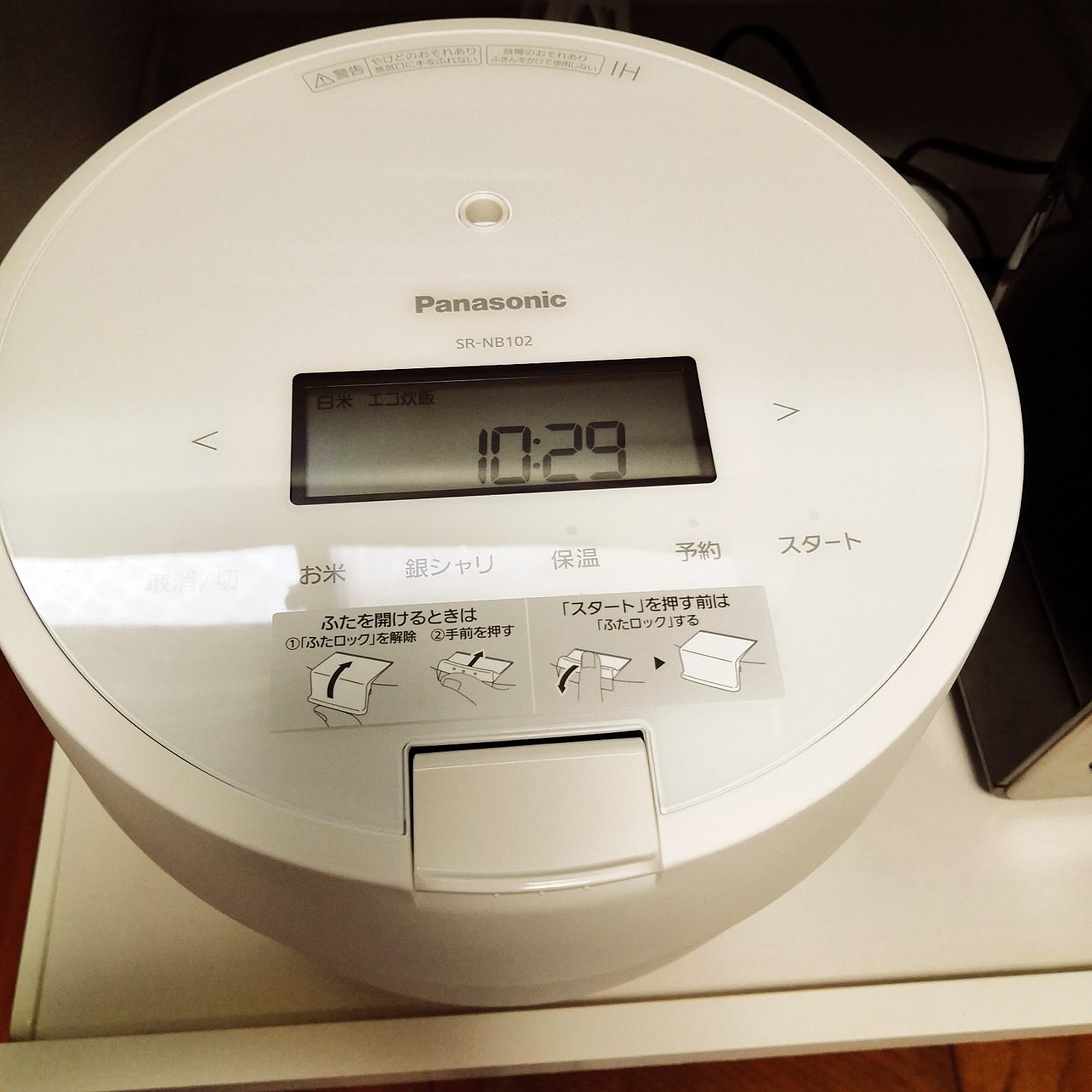
Controls matter too. Short-grain rice often uses white, sushi, mixed, quick, and keep-warm routines. A clear menu is more useful than a long feature list you will never touch.
Our picks
Pick #1: Zojirushi IH lane for texture-first short-grain rice
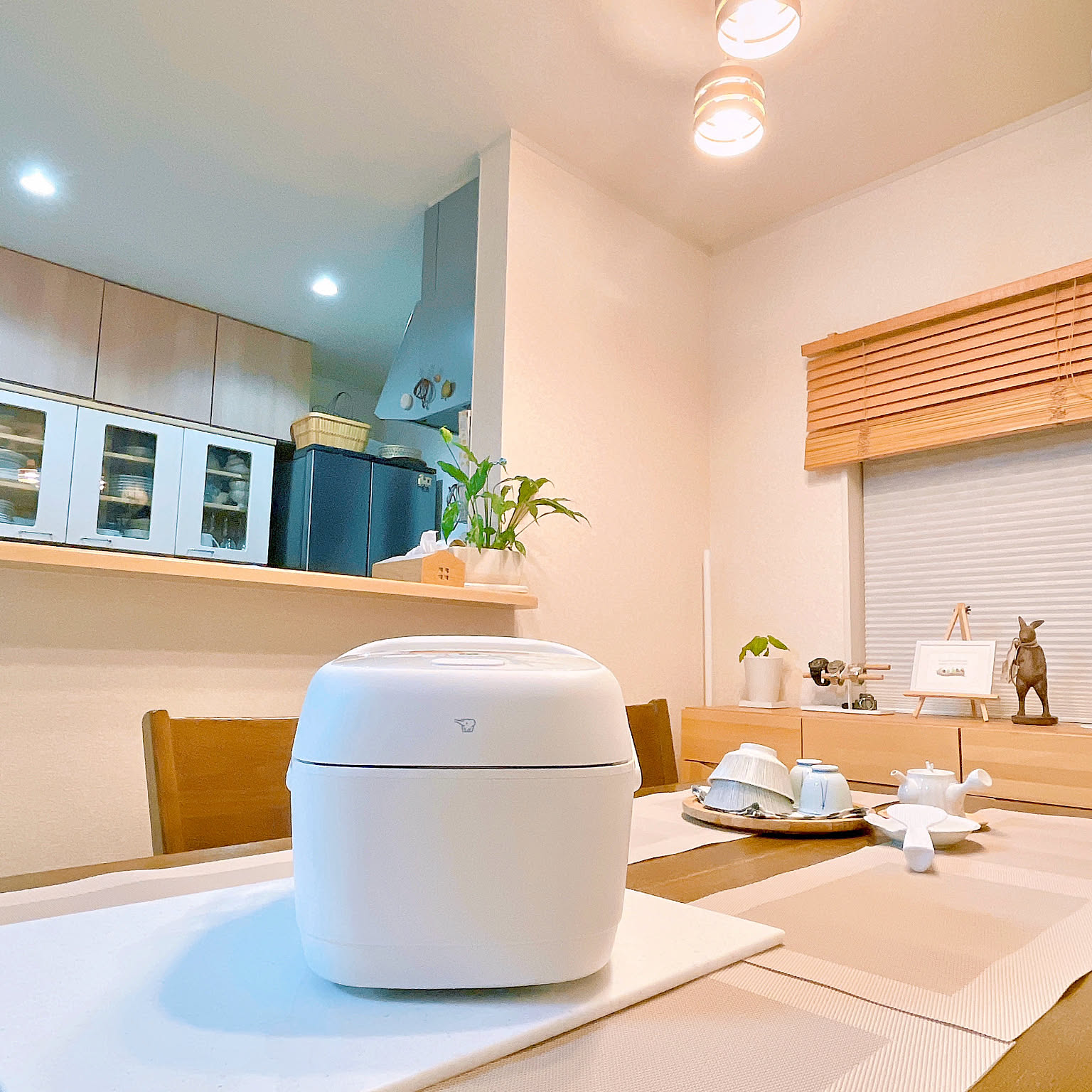
Choose the Zojirushi IH lane if the whole point of buying a better cooker is better rice. Current US-market Zojirushi IH models such as the NW-QAC10 family are the clearest place to start because they are built around induction heating and rice texture rather than just appliance styling.
The RoomClip photo here shows a Zojirushi pressure-IH style cooker, so treat this as a Zojirushi premium IH lane, not a claim that the exact photographed model is the same as every US listing. Check the model number carefully before buying.
Pick #2: Tiger IH lane for practical everyday white rice
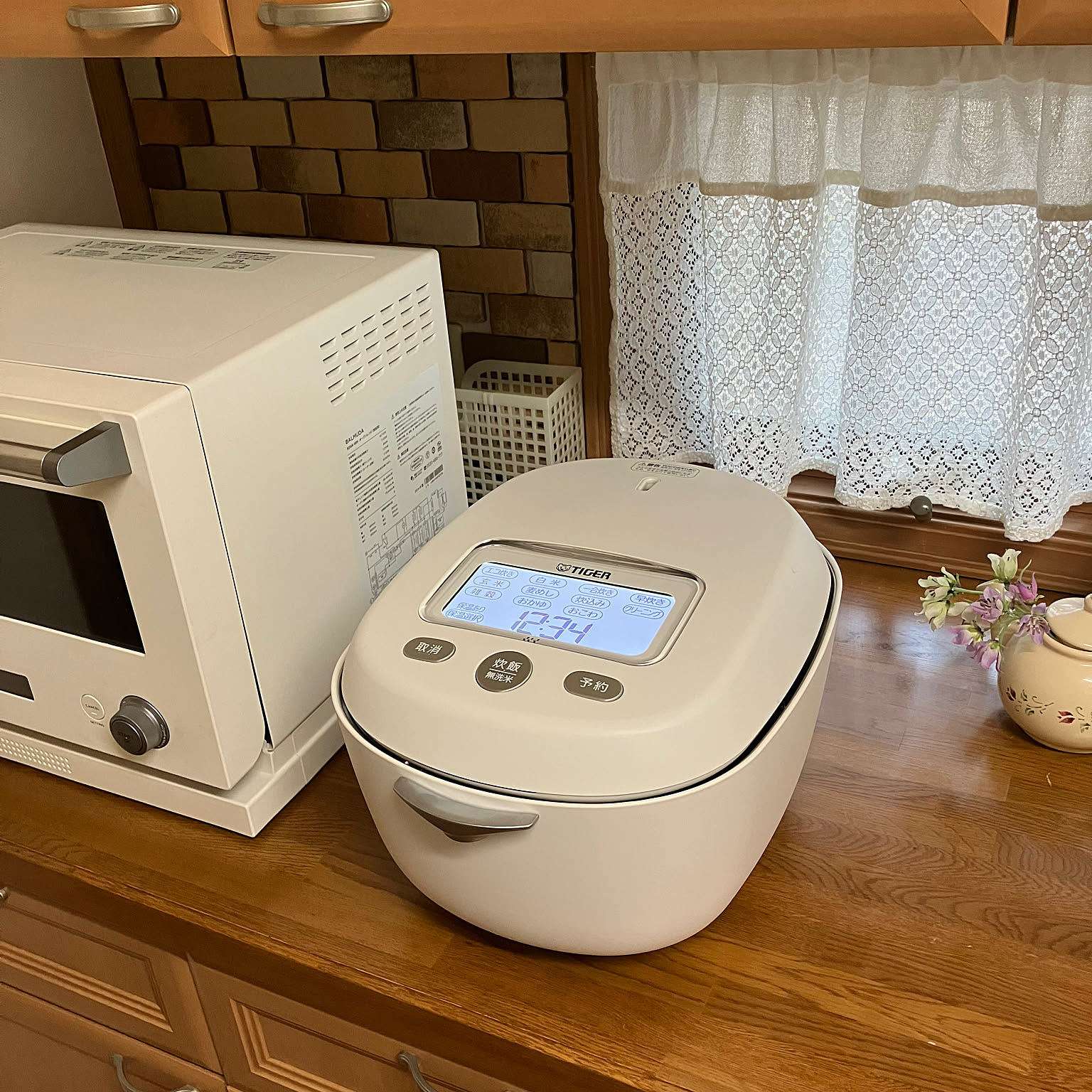
Choose the Tiger IH lane if you want strong everyday white rice without turning the purchase into a flagship appliance decision. Tiger is especially attractive when the cooker needs to work for family meals, reheating, and freezer portions, not just perfect dinner-party rice.
The strongest Tiger listings vary by seller and generation, so use this lane as a buying direction: look for IH or pressure-IH, 5.5-cup capacity if you want flexibility, and controls you will actually use.
Pick #3: Zojirushi STAN. style lane for visible small kitchens
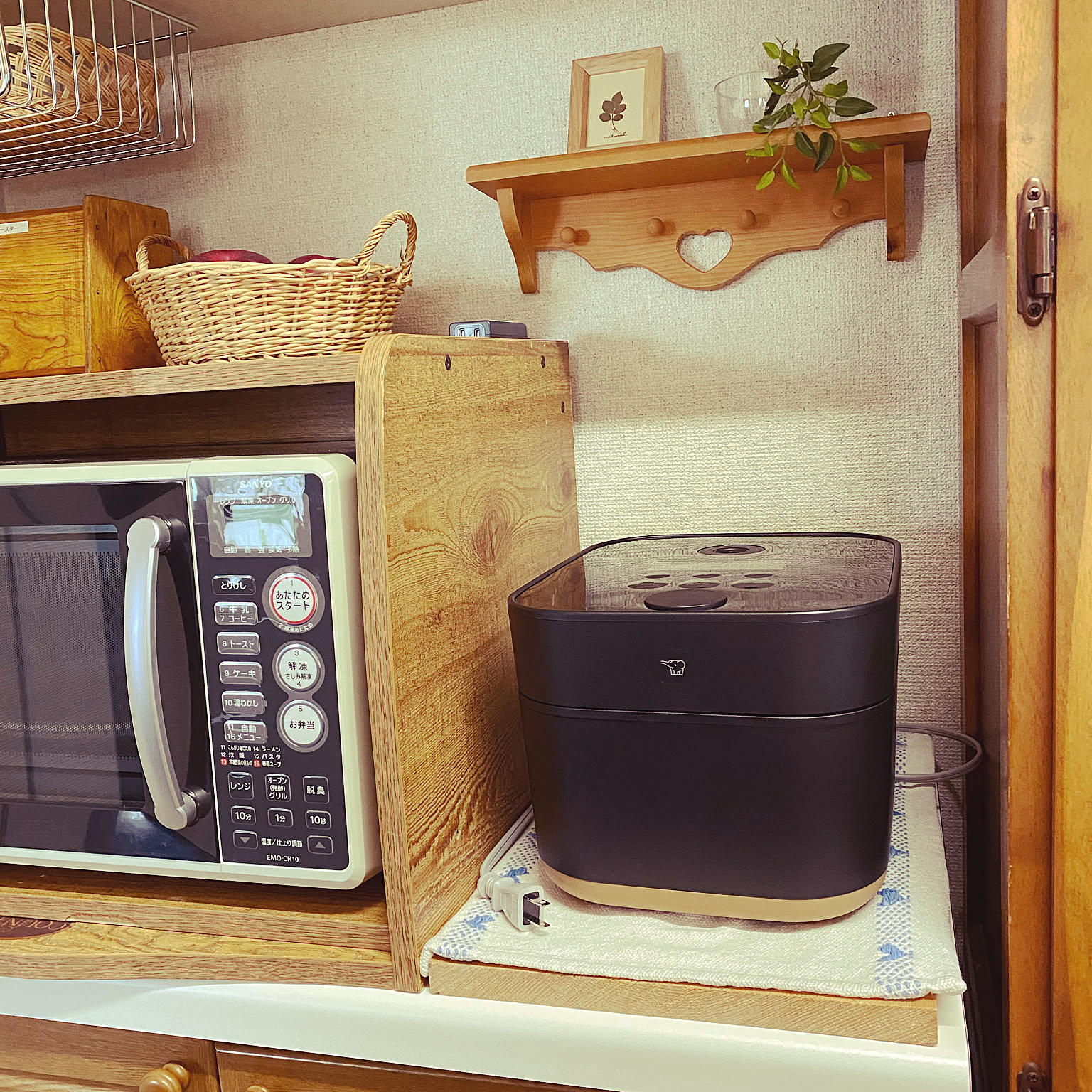
Choose the STAN. style lane when the rice cooker will stay out every day and design matters. This is not the cheapest route, and many listings are Japan-market imports, but the form factor makes sense for small kitchens where a bulky appliance would feel visually heavy.
Before buying, confirm voltage, language, warranty, seller support, and return policy. A beautiful cooker is only a good short-grain rice cooker if it fits your actual kitchen setup.
Do not ignore keep-warm and leftover behavior
Short-grain rice changes quickly after cooking. If you keep rice warm for hours, a better keep-warm mode matters. If you freeze leftovers, the cooker needs to make a batch that still reheats with enough moisture and structure.
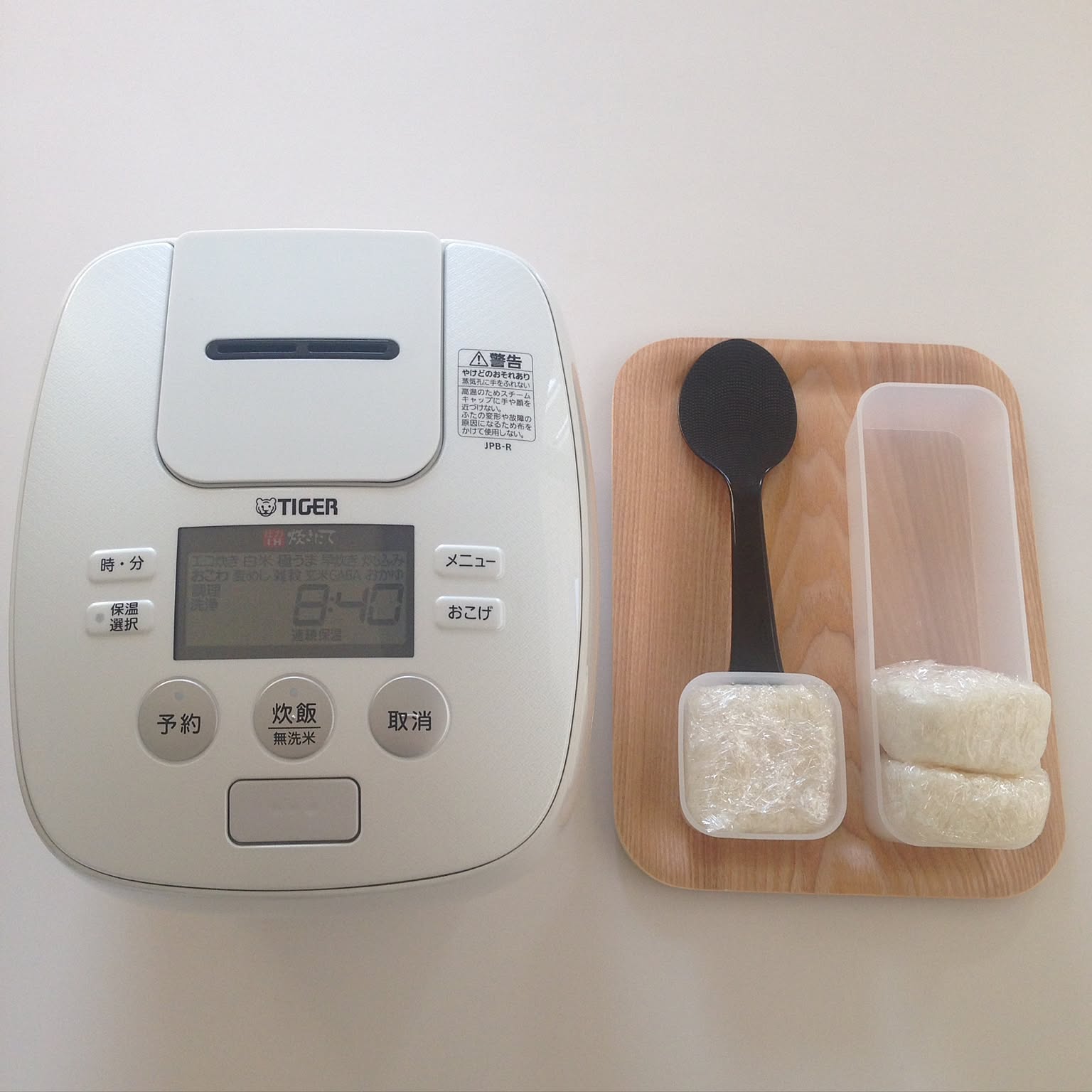
For many homes, the best routine is simple: cook a little more than dinner, portion the extra rice while it is still fresh, and freeze it in small containers. That makes a 5.5-cup cooker more useful than it looks on paper.
Final buying checklist
- Confirm voltage: US buyers should avoid accidentally buying a Japan-only voltage model unless they know exactly what they are doing.
- Confirm capacity: 3-cup for small fresh batches; 5.5-cup for flexibility and better model selection.
- Confirm heating tier: Micom for value, IH for better everyday texture, pressure IH for the most texture control.
- Confirm cleanup: A cooker you dislike cleaning will not stay in your routine, no matter how good the rice tastes.
- Confirm seller support: Imported listings can be fine, but warranty and returns matter more for appliances than for simple kitchen tools.
Ready to buy?
Use these product lanes as the shortlist, then check the exact model, voltage, seller, and current price before buying.
Frequently asked questions
Do you need a special rice cooker for Japanese short-grain rice?
Is Zojirushi or Tiger better for short-grain rice?
Should I buy a 3-cup or 5.5-cup cooker for short-grain rice?
Should a short-grain rice cooker be made in Japan?
by Japanese Home Goods Editorial
RoomClip usage context, manufacturer specifications, and US-market availability are reviewed by the Japanese Home Goods editorial team. We do not claim hands-on testing unless an article explicitly says so.
Related Articles

Japanese Rice Cookers Explained: Sizes, Settings, and Daily Use
A complete guide to Japanese rice cookers: how sizes translate from go to cups, what the key settings actually do, and how rice cookers fit into daily routines in Japanese homes.

Best 3-Cup Rice Cookers for US Kitchens and Two-Person Homes
Two verified 120V, 3-cup Japanese-brand rice cookers for US kitchens, compared by everyday simplicity, grain settings, compact placement, and warranty support.

Best 5.5-Cup Japanese Rice Cookers for 2-4 People
For most 2- to 4-person homes, a 5.5-cup Japanese rice cooker is the easiest size to live with. It covers dinner tonight, leftovers for tomorrow, and the occasional brown rice batch without feeling oversized.

Best Zojirushi Rice Cookers: 2026 Buyer's Guide
The best Zojirushi rice cooker depends on size, heating tier, and whether you want a current US model or a Japan-market design piece like STAN. This guide narrows the choice to the models that make the most sense for real kitchens.

Best Tiger Rice Cookers: Japanese Picks for Small Kitchens
Tiger rice cookers are strongest when you want a practical Japanese cooker that can live in a small kitchen without feeling precious. These picks focus on compact micom, everyday 5.5-cup tacook, and step-up IH options.

Micom vs IH Rice Cookers: Which Japanese Cooker Should You Buy?
Micom and IH rice cookers can both make excellent everyday rice. The right choice depends on your batch size, texture expectations, menu needs, counter space, and how much you want to spend.