Zojirushi vs Tiger: Which Japanese Rice Cooker Fits Your Kitchen?
If you are choosing your first Japanese rice cooker, the real question is not which logo wins. It is which brand, size, and heating tier fit the way you cook at home.

Quick answer: pick by kitchen type, not brand loyalty
If you are buying your first Japanese rice cooker, do not start by asking whether Zojirushi is better than Tiger. Start by asking what kind of kitchen you actually have, how much rice you cook, and whether the cooker will live on the counter or disappear between uses.
For a compact kitchen and a lower-risk first purchase, Tiger is often the easier answer. For buyers who want a stronger premium feel, more upgrade paths, or a cooker that looks intentional sitting out every day, Zojirushi usually makes more sense.
What matters more than the logo
- Size first: A 3-cup cooker is usually the better entry point for one or two people in a small kitchen.
- Heating tier second: Micom is the practical starting line. IH becomes worth it when rice quality is the priority and you cook often.
- Brand third: Once you know your size and tier, the Zojirushi vs Tiger decision becomes much clearer.
If you want the full size and technology breakdown first, read Japanese Rice Cookers Explained. This comparison assumes you are already down to the two brands most US buyers actually see.
The right first cooker depends more on fit and routine than on the badge alone.
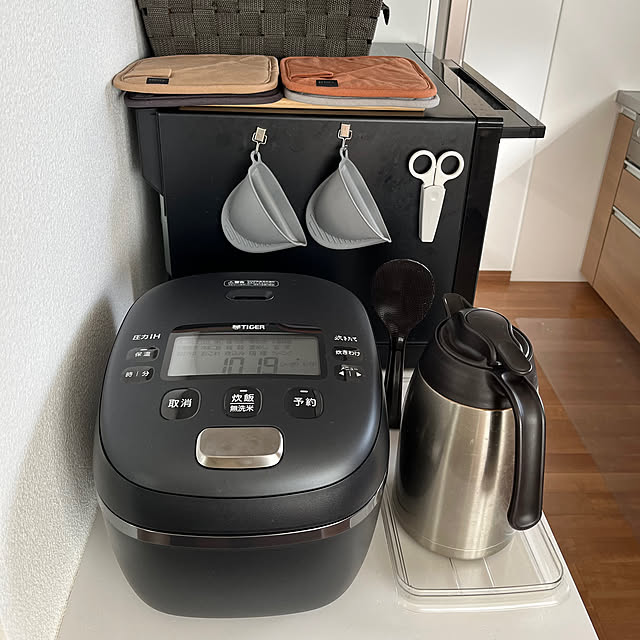
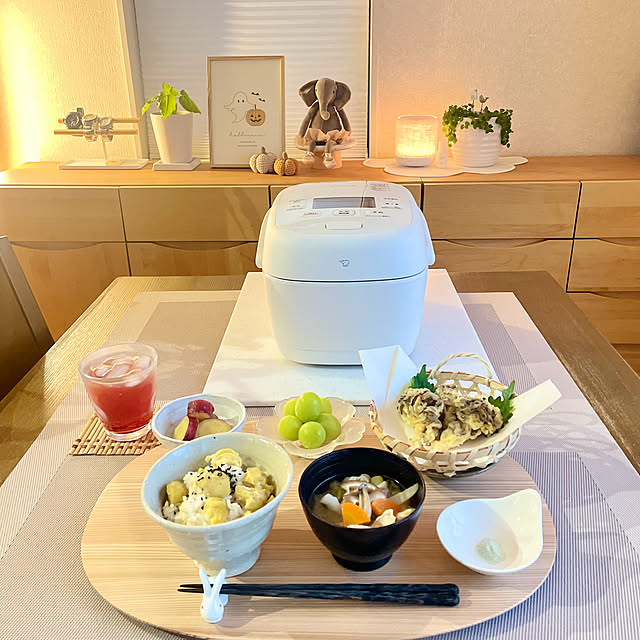
How Zojirushi and Tiger differ in real kitchens
In the US market, Zojirushi usually has the stronger brand recognition. Its lineup feels more clearly tiered, and the jump from a basic cooker to a premium one is easier to understand from the outside. Tiger often feels more understated, but that can be a strength if you want a practical daily machine without paying for the top-end story.
The everyday difference is not that one brand can cook rice and the other cannot. It is that Zojirushi tends to win on perceived premium polish, while Tiger often wins when the question is whether the cooker fits smoothly into a smaller, busier, less display-driven kitchen.
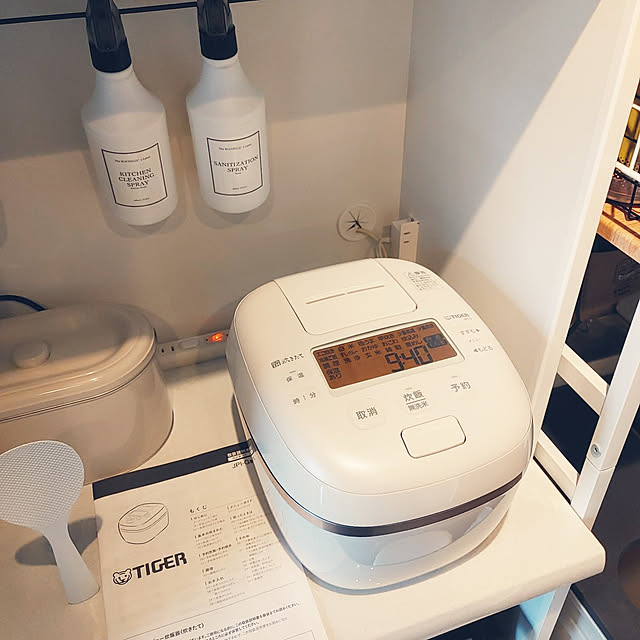
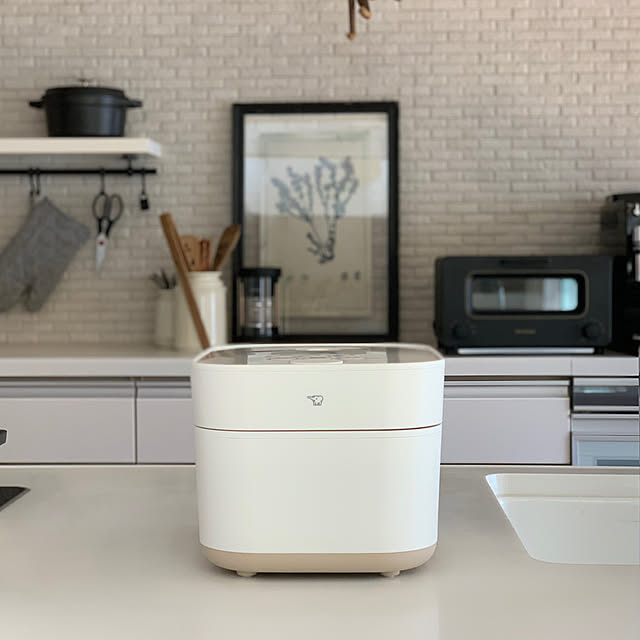
Tiger often blends into a working kitchen; Zojirushi often looks designed to stay visible.
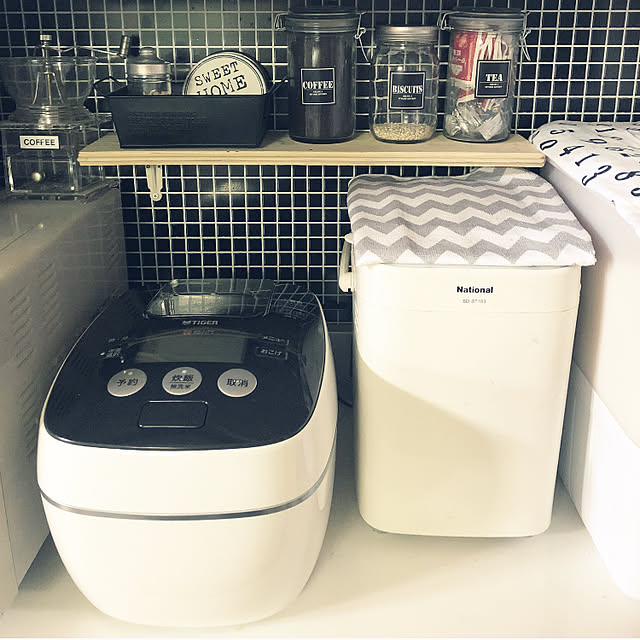
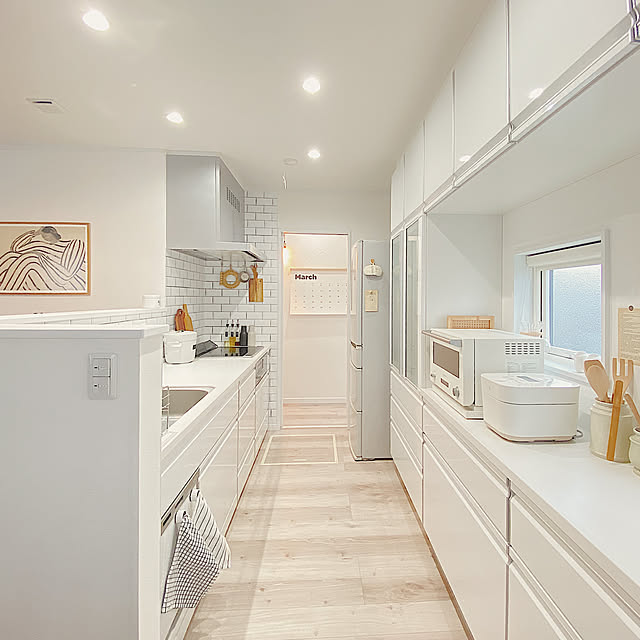
How to choose by buyer type
This is the easiest way to make the decision.
- Choose Tiger if: you want a compact daily cooker, you care about value, and you do not need the brand with the strongest premium aura in the US.
- Choose Zojirushi if: you want a wider-feeling upgrade path, more premium positioning, or a cooker that earns permanent counter space visually.
For the smallest-kitchen version of this decision, the strongest follow-up is Best 3-Cup Rice Cookers for Small Kitchens, where the same compact-kitchen tradeoffs show up more directly.
If you are making this choice at the standard family size instead, the better follow-up is Best 5.5-Cup Japanese Rice Cookers for 2-4 People, which narrows the decision to the most useful 5.5-cup paths.
The brand difference gets clearer once the cooker becomes part of the room all day.
Our picks
Pick #1: Best first rice cooker for a compact kitchen
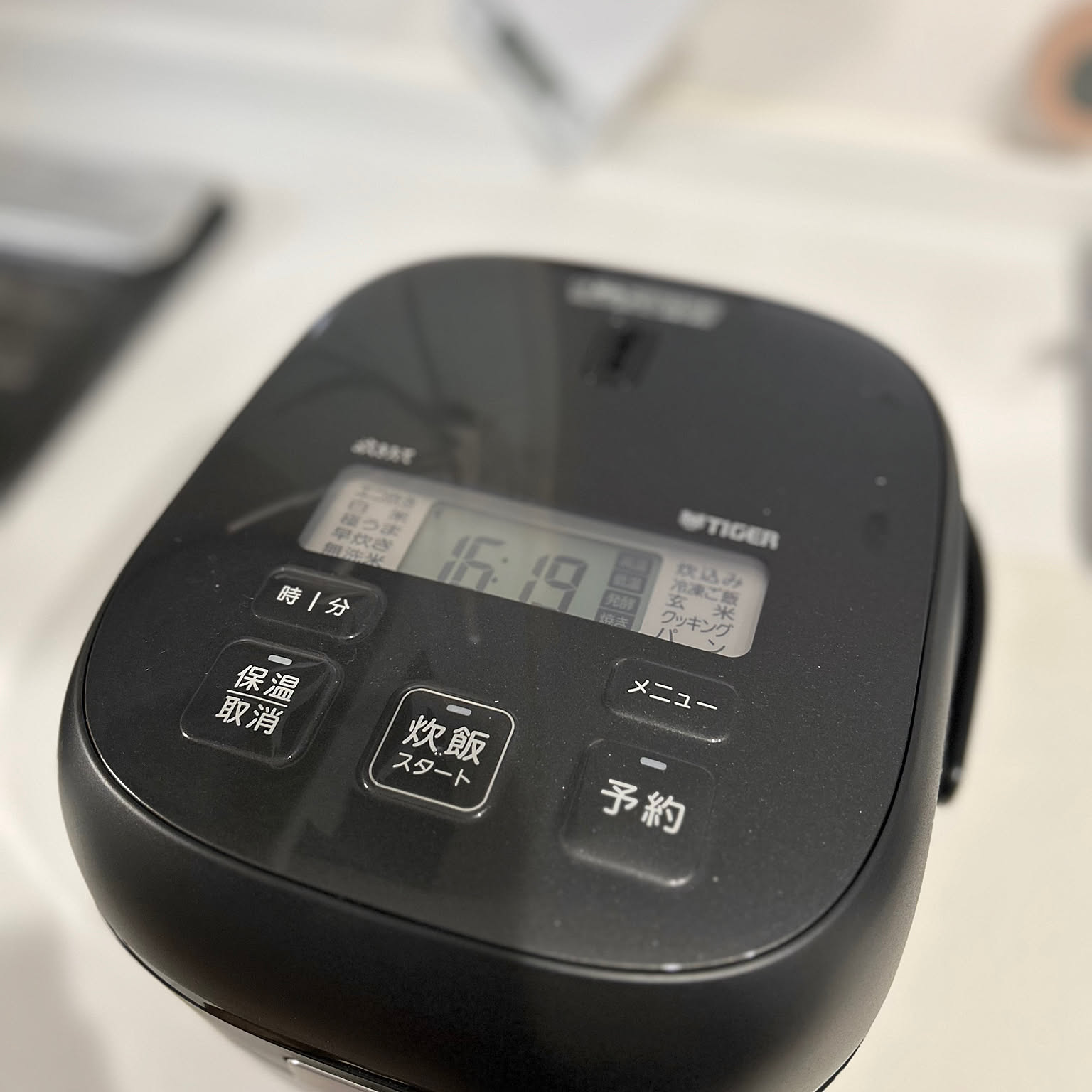
The Tiger JBS-A055 is the safest first recommendation when you want a real Japanese-brand cooker without immediately paying for premium IH pricing. It is compact, easy to place on an open shelf or side counter, and its daily-use appeal is stronger than its spec-sheet drama. If you cook rice a few times a week and want the machine to feel uncomplicated, this is where Tiger makes the best case for itself.
Pick #2: Best if rice quality comes first
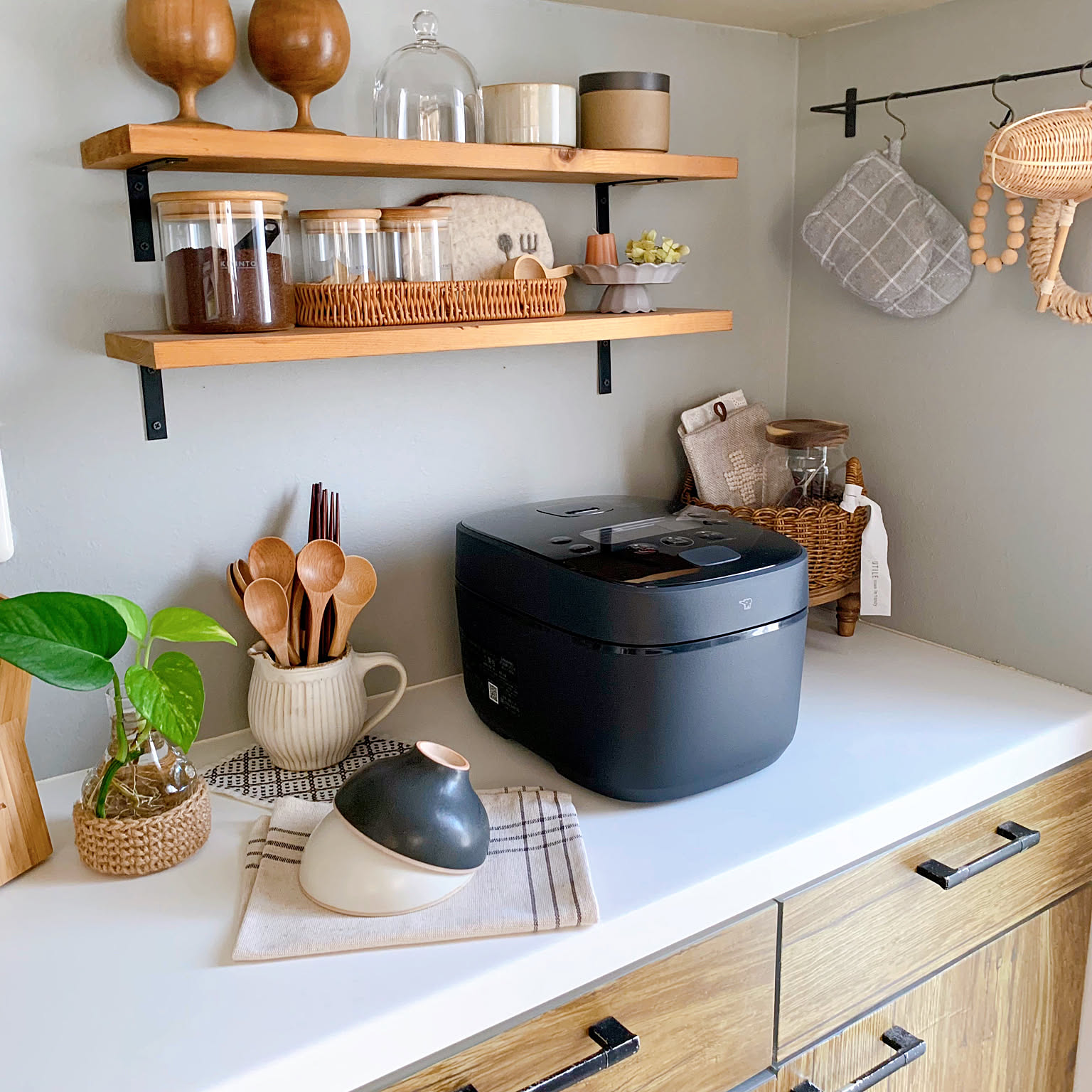
If your real question is not value but how good the rice can get, the Zojirushi NW-QAC10 is the better answer. This is the Zojirushi side of the comparison at its strongest: a premium-feeling IH cooker with enough capacity for regular households and enough perceived polish that the price jump makes sense if rice quality is the point.
Pick #3: Best if you want the cooker to look right on the counter
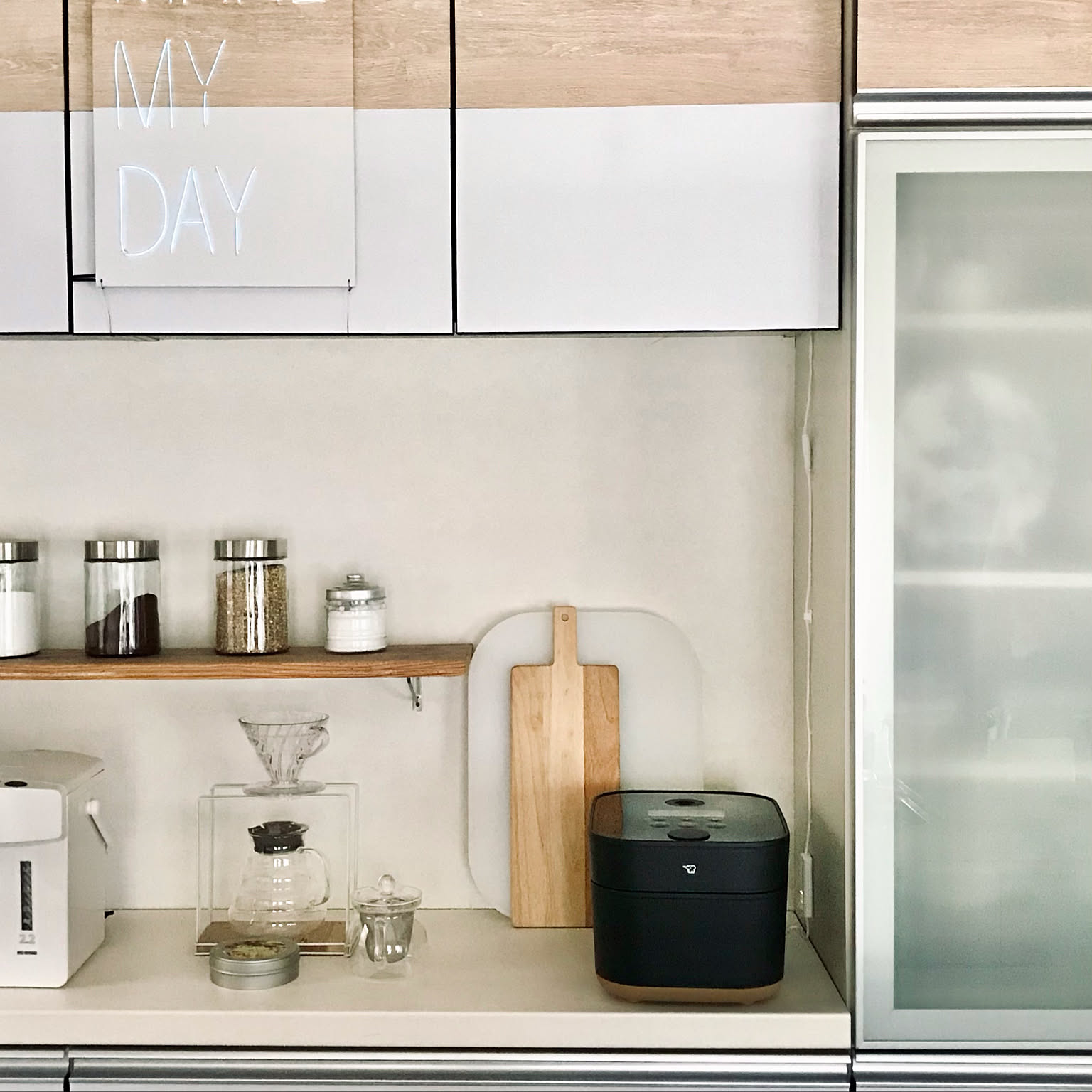
The STAN. line is where Zojirushi stops being only a rice-cooker brand choice and becomes a kitchen-design choice. It is still a serious everyday machine, but the reason to buy it is that it belongs on the counter. If you know the cooker will stay visible every day, STAN. is the cleanest argument for choosing Zojirushi over Tiger.
Bottom line
Tiger is the easier first answer for compact, value-minded kitchens. Zojirushi is the stronger answer once premium feel, countertop presence, or top-tier rice quality become part of the brief. In other words: choose Tiger when you want the least-friction first purchase, and choose Zojirushi when you already know the cooker will matter to the room as much as the rice.
Frequently asked questions
Is Zojirushi better than Tiger overall?
Which brand is better for a first rice cooker in a small kitchen?
Should I choose size or brand first?
Is Tiger a better value if I do not need premium IH?
Ready to buy? Check prices on Amazon
by Japanese Home Goods Editorial
RoomClip usage context, manufacturer specifications, and US-market availability are reviewed by the Japanese Home Goods editorial team. We do not claim hands-on testing unless an article explicitly says so.
Related Articles

Japanese Rice Cookers Explained: Sizes, Settings, and Daily Use
A complete guide to Japanese rice cookers: how sizes translate from go to cups, what the key settings actually do, and how rice cookers fit into daily routines in Japanese homes.

Best 3-Cup Rice Cookers for US Kitchens and Two-Person Homes
Two verified 120V, 3-cup Japanese-brand rice cookers for US kitchens, compared by everyday simplicity, grain settings, compact placement, and warranty support.

Best 5.5-Cup Japanese Rice Cookers for 2-4 People
For most 2- to 4-person homes, a 5.5-cup Japanese rice cooker is the easiest size to live with. It covers dinner tonight, leftovers for tomorrow, and the occasional brown rice batch without feeling oversized.

How to Cook Brown Rice in a Japanese Rice Cooker
Brown rice needs more water, more time, and a little more patience than white rice. Here is how to get better texture in a Japanese rice cooker, even if your model does not have a dedicated brown rice setting.

The Rice Cooker Brands Japanese Homes Actually Use: An 8,000-Photo Data Study
We analyzed 8,049 item-tagged rice-cooker photos from RoomClip, Japan's largest home-photo community, to see which brands really fill Japanese kitchens — which ones show up in more RoomClip posts lately, which show up in fewer, and which a U.S. cook can actually buy and plug in. These are RoomClip posting patterns, not market-share or sales figures.