V60 Plastic vs Ceramic vs Glass: Which Material Is Best?
Plastic is the best Hario V60 material for most people. Choose ceramic for a heavier Arita-yaki dripper or glass for a heatproof-glass coffee station.

Quick answer
Choose the plastic V60 if you want the best option for most people: affordable, durable, easy to clean, and simple to preheat. Choose ceramic for Arita-yaki craft, more weight, and a dripper you plan to preheat thoroughly. Choose glass for a heatproof-glass cone that stays on display in a protected coffee station.
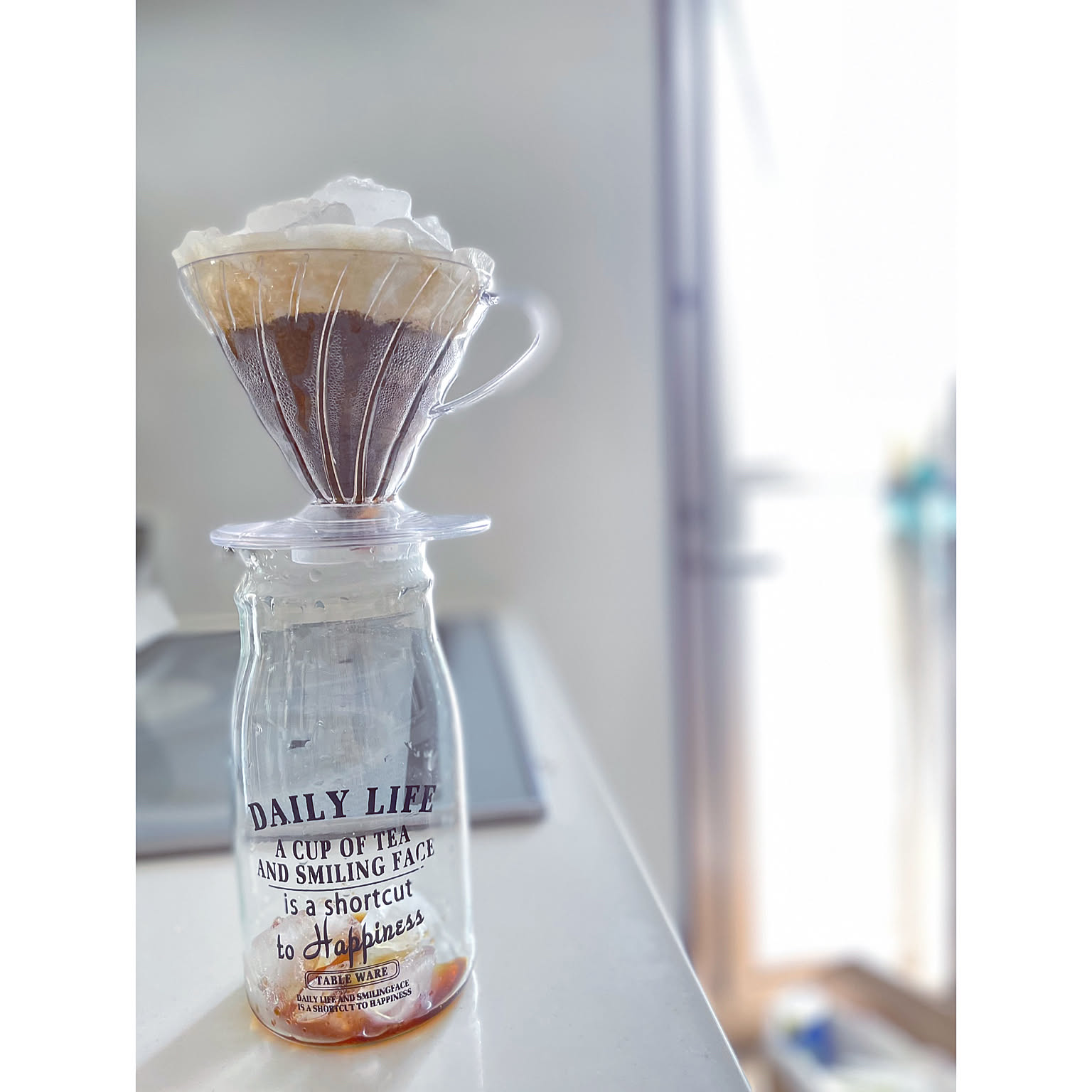
HARIO rates all three current size 02 models for 1-4 cups. Their shared V60 cone, spiral ribs, and open flow design matter more to extraction than the outer material. Material mainly changes preheating, breakage risk, weight, price, and how the dripper fits your kitchen.
Material and size are separate decisions. This guide compares size 02 materials. If brew volume is still undecided, compare the Hario V60 01 and 02 sizes before choosing a material.
Primary specifications checked July 31, 2026: HARIO USA plastic V60 02, ceramic V60 02, and glass V60 02. This comparison covers standard V60 drippers, not the immersion-style Hario Switch.
Plastic vs ceramic vs glass at a glance
The current HARIO USA size 02 models have the same 1-4 cup rating, so compare what changes in daily use.
| Spec | Plastic 02 | Ceramic 02 | Glass 02 |
|---|---|---|---|
| Material | AS resin | Arita porcelain | Borosilicate glass + PP holder |
| HARIO cup rating | 1-4 cups | 1-4 cups | 1-4 cups |
| Dimensions | 137 × 116 × 102 mm | 140 × 120 × 102 mm | 128 × 115 × 95 mm |
| Preheating | Least demanding | Most important | Helpful |
| Breakage risk | Lowest | Higher | Higher |
| Typical price | $10-15 | $30-35 | $23-30 |
| Main drawback | Utilitarian feel | Heavy and breakable | Breakable cone |
Prices are observed ranges and can change. All three use size 02 papers; material does not increase capacity.
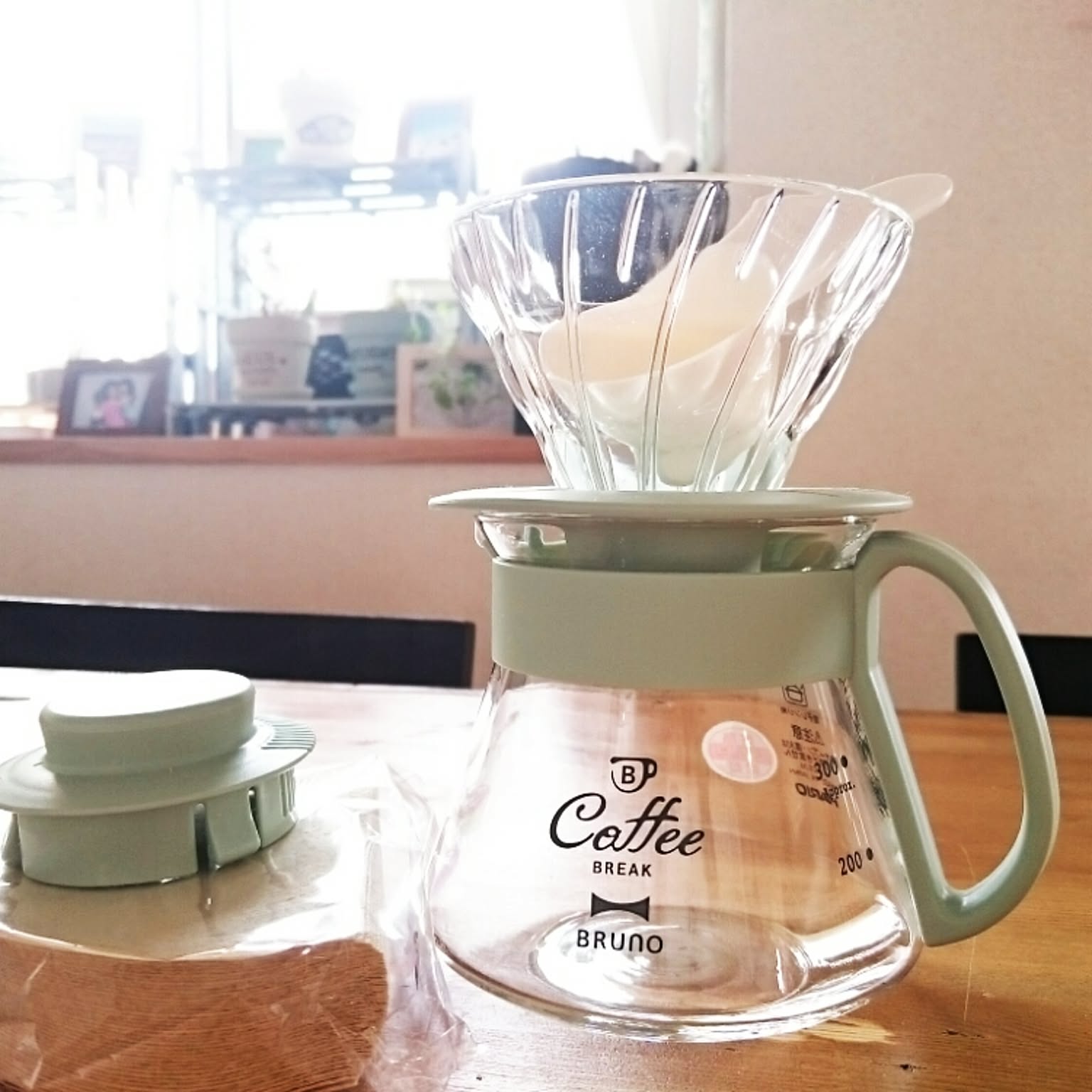
Heat handling: plastic is the easiest
Rinse the paper filter and warm any V60 before brewing. Plastic needs the least attention because it does not pull as much heat from the slurry during setup. Porcelain and glass benefit from a more thorough hot-water rinse, especially in a cold kitchen.
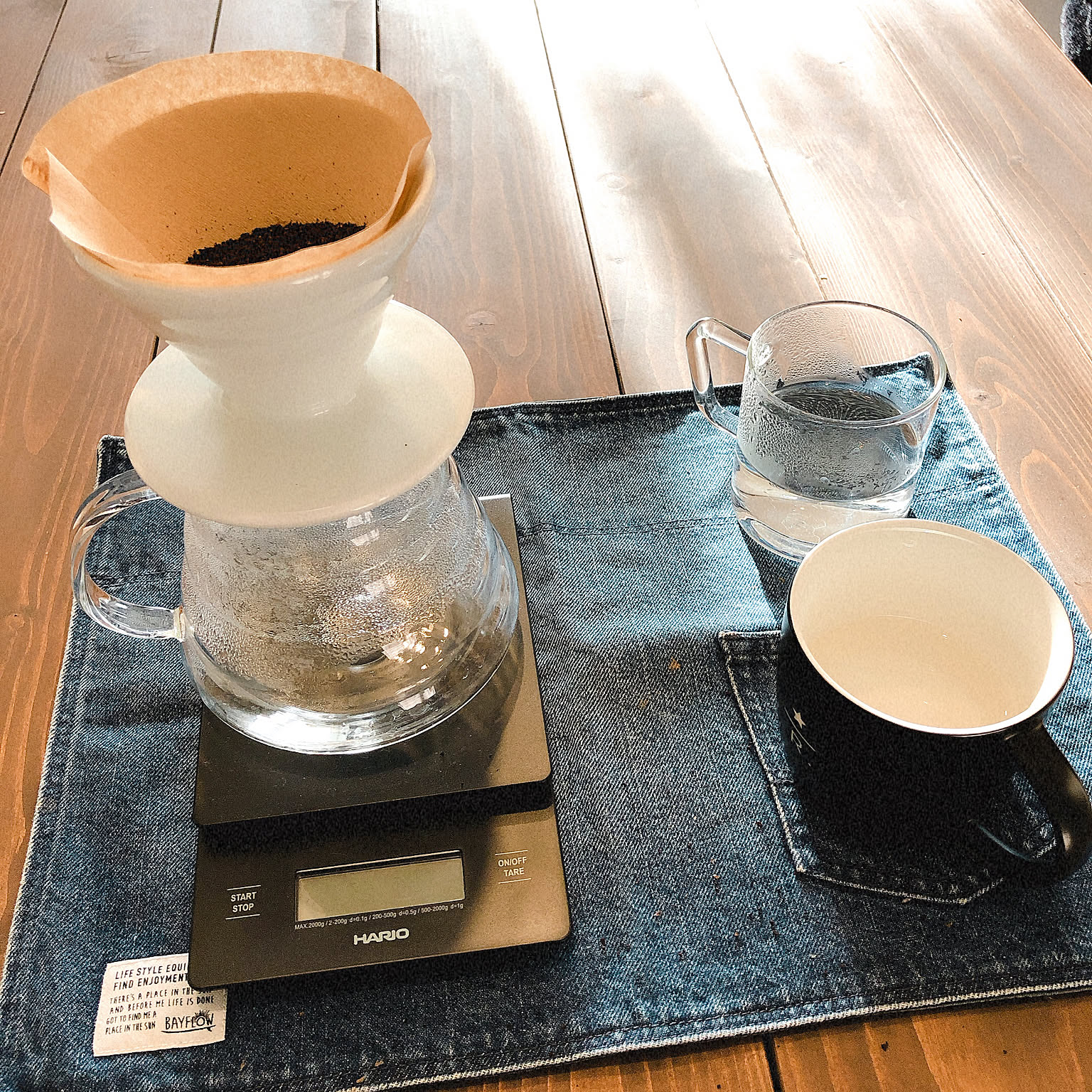
This does not make one material taste better by itself. Grind, water, recipe, pouring, and filter fit have a larger effect. Choose the material that makes a repeatable routine easiest.
Our picks
These three picks line up with the way most people actually shop for a V60: practical starter, classic countertop piece, and display-friendly glass setup.
Pick #1: HARIO V60 Plastic for the practical default
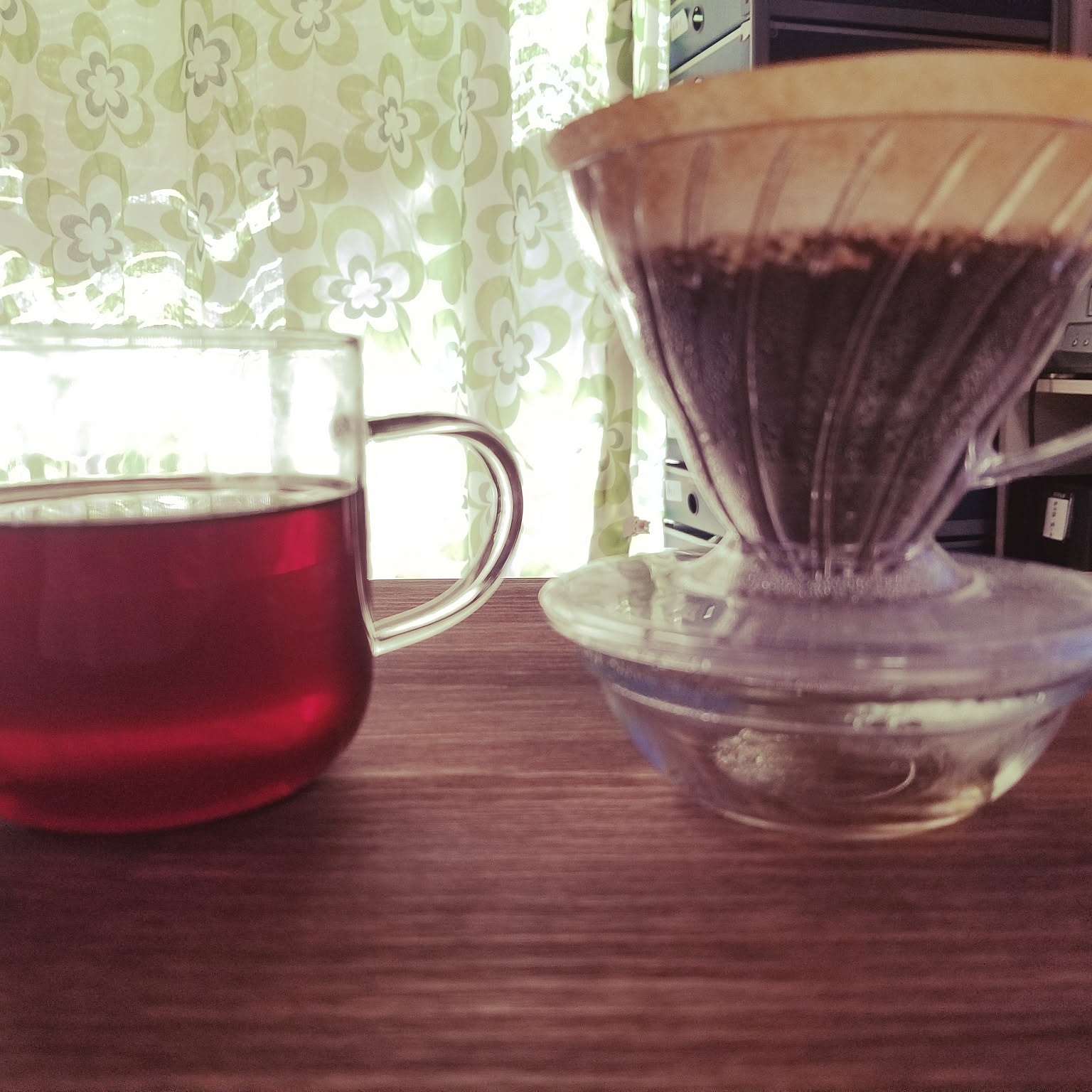
Plastic is the easiest recommendation because it solves the most everyday problems. HARIO describes the current plastic 02 as durable and easy to clean, and its lower price makes it less stressful around sinks, shelves, and shared kitchens.
Pick #2: HARIO V60 Ceramic for a classic coffee corner
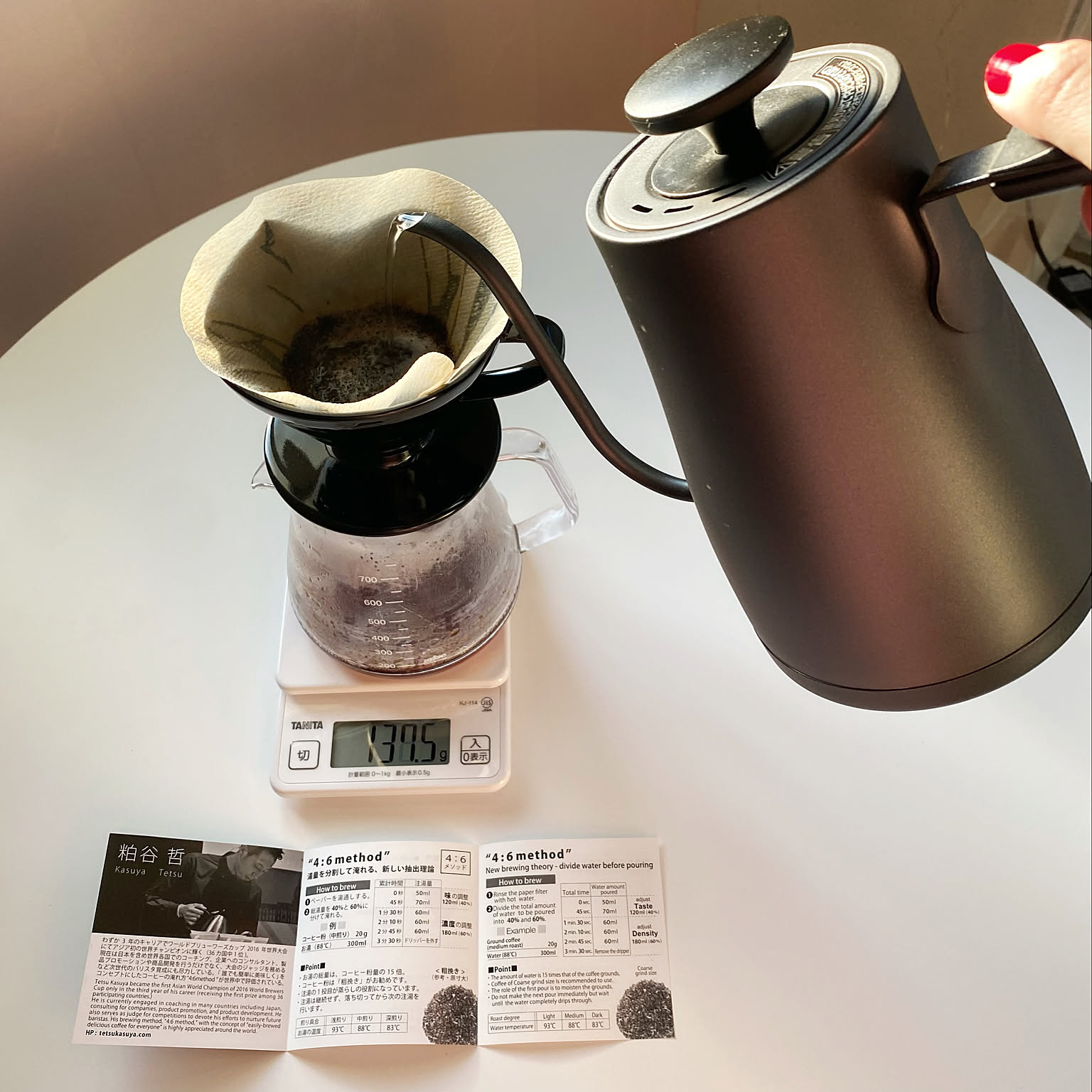
Ceramic is the choice when you want Japanese craft as part of the object. HARIO says its porcelain V60s are Arita-yaki and handmade by local craftspeople. Preheat it thoroughly, avoid knocking it against the sink, and give it a stable place to live.
Pick #3: HARIO V60 Glass for a visible setup
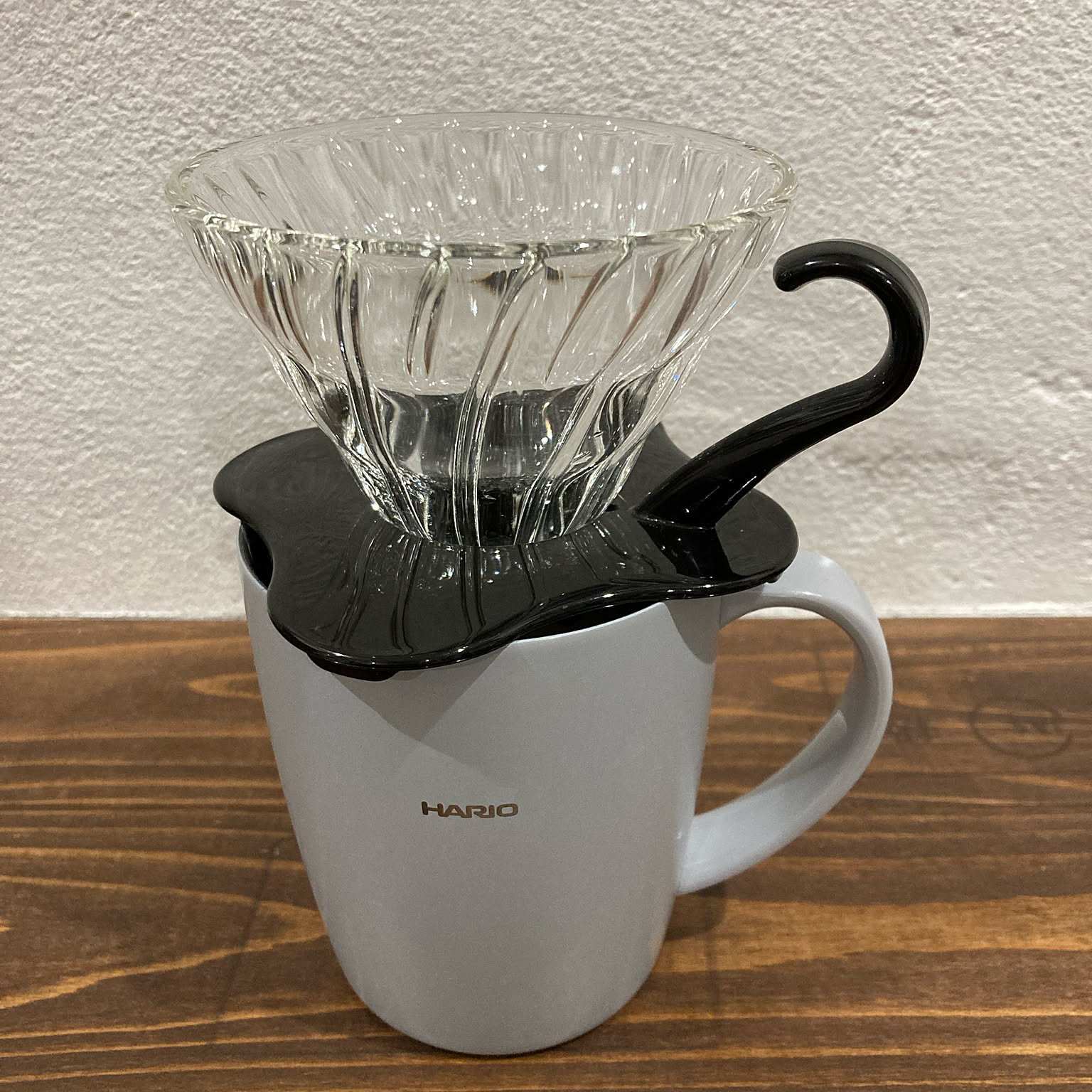
Glass makes the most sense when your coffee tools stay out. HARIO's current round-base 02 uses a borosilicate-glass cone in a polypropylene holder. It pairs naturally with a glass server, but it is not the relaxed choice if your dripper gets moved or packed away often.
Durability and cleaning
Plastic wins the durability argument for most homes. Ceramic and glass can last for years, but they need a calmer routine: no crowded dish rack, no loose storage bin, and no hurried knocks against a faucet.
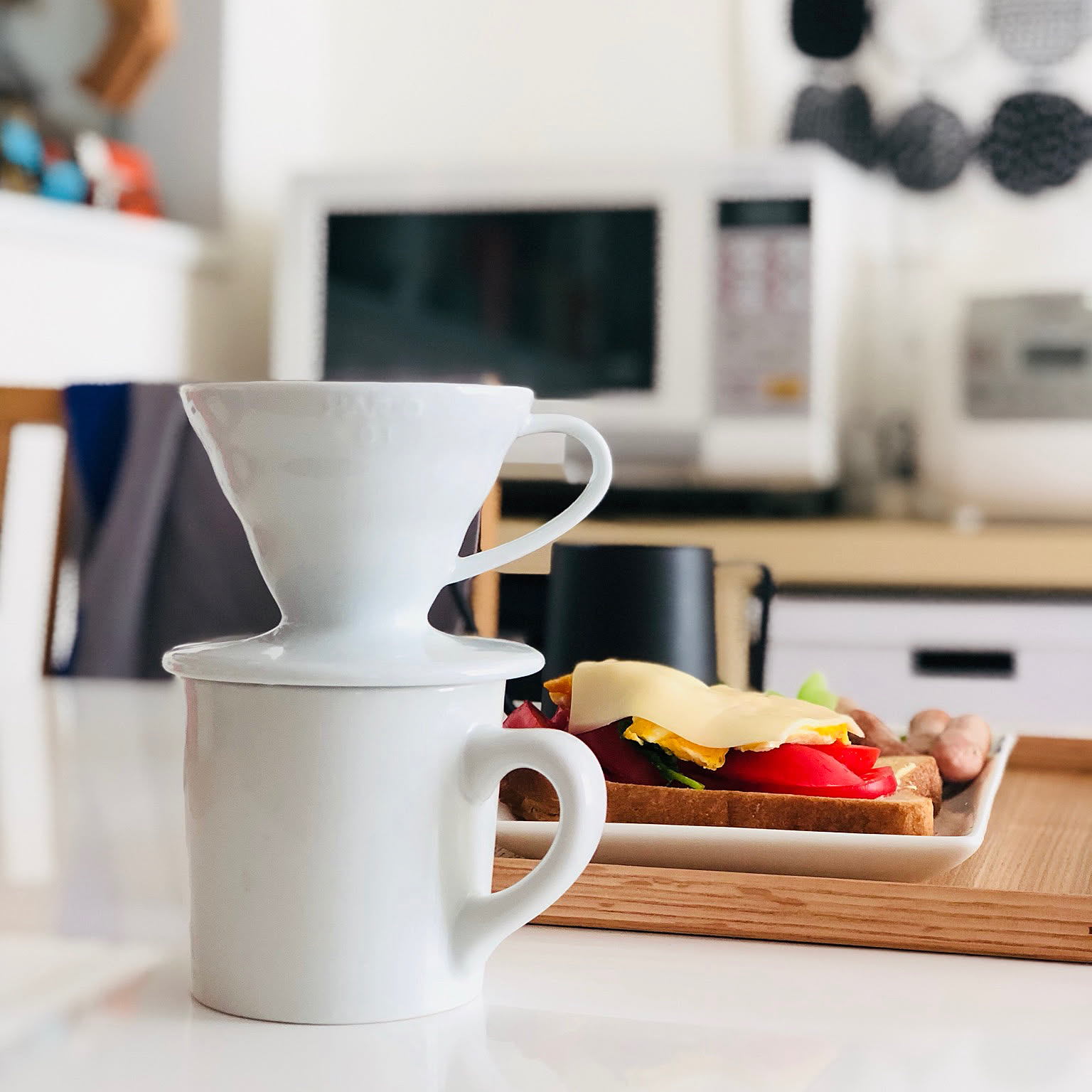
Rinse soon after brewing and follow the care instructions for the exact model you buy. Plastic is the least demanding to handle. With ceramic and glass, the main maintenance issue is preventing chips or breakage rather than removing coffee residue.
Countertop style
If the V60 sits on open shelving or beside a server, material becomes part of the room. Clear plastic can visually disappear. Ceramic gives a calm, substantial look. Glass turns the setup into something closer to a small display.
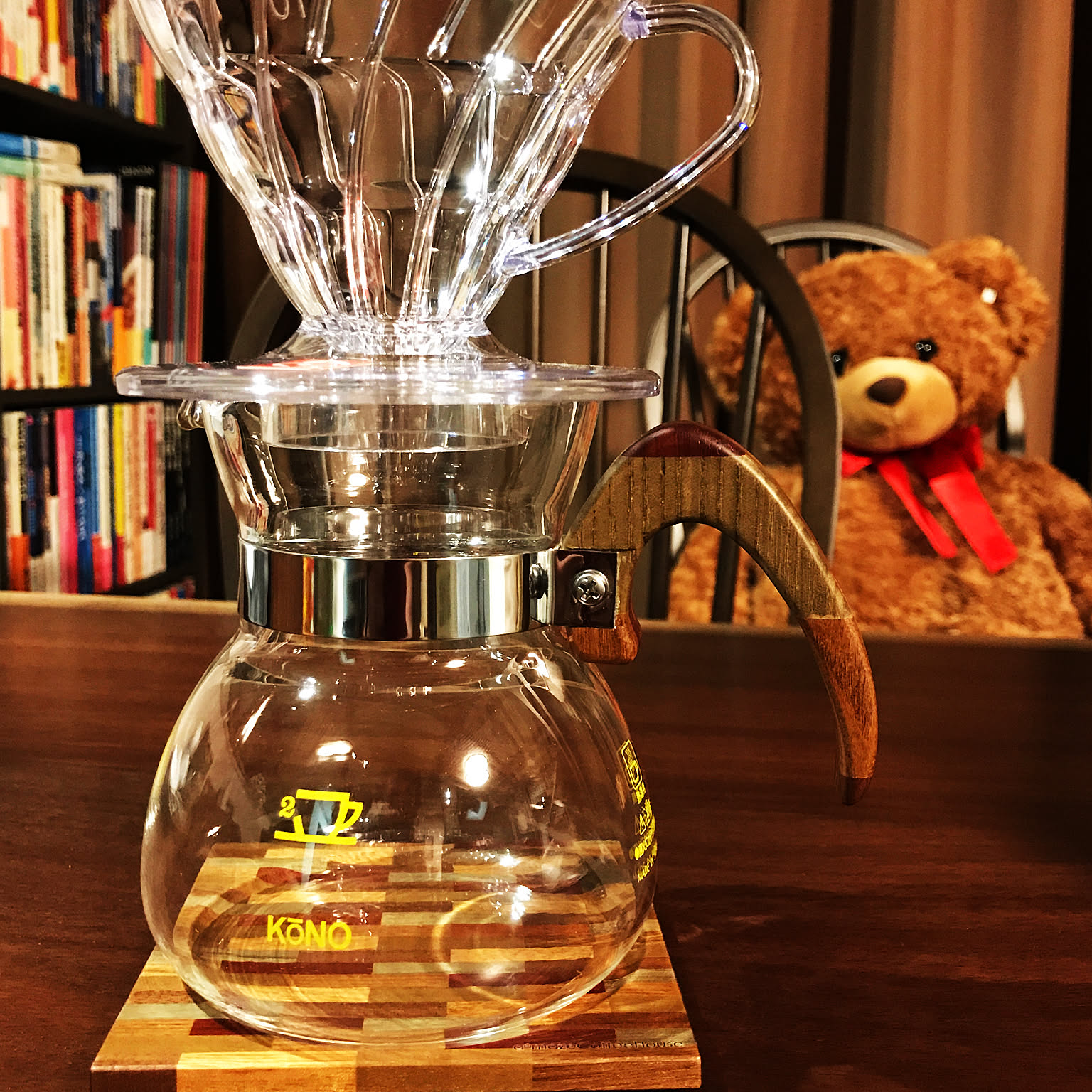
That does not mean style should override use. Choose the prettiest option only if it also fits the way the dripper will be handled, cleaned, and stored.
Ready to buy?
Buy plastic for the lowest-cost, lowest-risk daily V60. Buy ceramic for Arita-yaki craft and a heavier countertop piece. Buy glass for a visible, protected setup. All three size 02 models use the same 1-4 cup range, so material does not increase brew capacity.
Hario
HARIO V60 Plastic Coffee Dripper 02 Clear
$10-15
Check Price on AmazonVerify specifications with the manufacturer · Checked 2026-07-31
Hario
HARIO V60 Ceramic Coffee Dripper 02
$30-35
Check Price on AmazonVerify specifications with the manufacturer · Checked 2026-07-31
Hario
HARIO V60 Glass Coffee Dripper 02
$23-30
Check Price on AmazonVerify specifications with the manufacturer · Checked 2026-07-31
Frequently asked questions
Which V60 material is best for most people?
Do I need to preheat a ceramic V60?
Is the glass V60 easy to break?
Does V60 material change the taste?
by Japanese Home Goods Editorial
RoomClip usage context, manufacturer specifications, and US-market availability are reviewed by the Japanese Home Goods editorial team. We do not claim hands-on testing unless an article explicitly says so.
Related Articles

V60 Beginner Guide: One Simple Recipe for Consistent Pour-Over Coffee
Everything a first-time V60 user needs in one place: the four things to buy, how to set grind, water, and ratio, and one repeatable recipe you can brew every morning.

Hario V60 01 vs 02: Which Size Should You Buy?
Choose the Hario V60 01 if you mostly brew one small cup. Choose the V60 02 if you want one larger mug, two smaller cups, or a setup that works better with a server.

Best HARIO Coffee Gear: 4 Pour-Over Essentials
Start with the HARIO V60 02 dripper, then add the Range Server 02, Buono kettle, or V60 Drip Scale only when each piece solves a specific brewing problem.

Small Kitchen Coffee Station Ideas (Japanese Minimal Setup)
A good small-kitchen coffee station is not a cafe display copied at full size. It is a tight Japanese-style setup built around one dripper, one kettle, one server, and one zone that stays easy to reset.