Best 2-Cup Rice Cooker? What US Buyers Should Know
Most exact 2-go electric rice cookers are Japan-market imports, not verified US models. Learn when to choose a US-market 3-cup cooker or a microwave vessel instead.

The safest answer for most US shoppers is not an exact 2-go electric rice cooker. The compact models pictured in Japanese homes are useful size examples, but many are Japan-market appliances without a verified 120V US version or US warranty. A plug adapter does not change voltage.
Use this page to decide whether the exact size is worth importing. For a shortlist of verified compact options, start with Best Small Japanese Rice Cookers; if two people eat rice often, compare Best 3-Cup Rice Cookers instead.
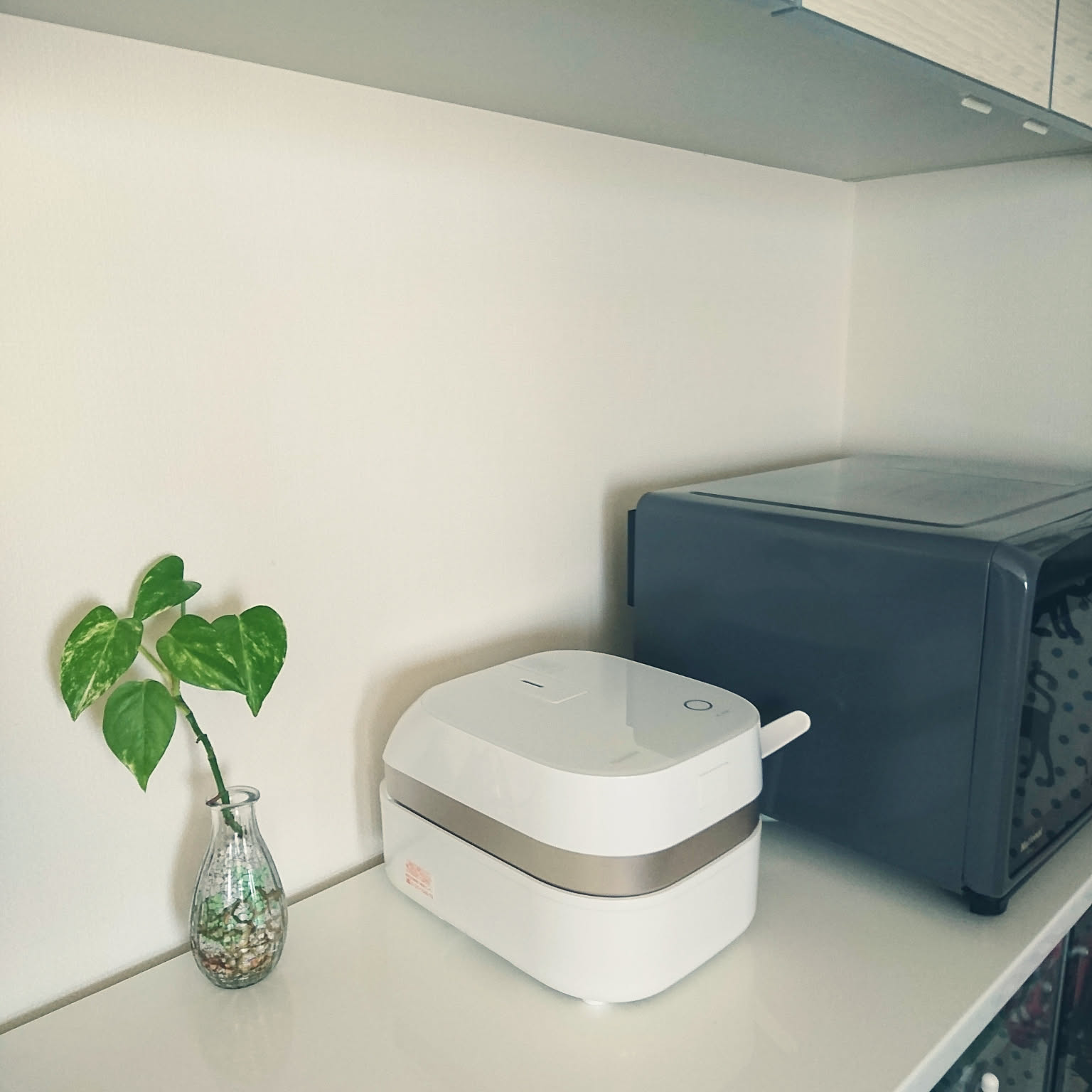
Treat 2-cup as a size question, not proof that a listing is suitable for a US outlet. Check the exact model number, rated voltage, seller, warranty, and whether capacity refers to uncooked rice-cooker cups or cooked rice.
What Counts as a 2-Cup Rice Cooker?
Japanese capacity labels usually use go, not US cups. One go is about 180 ml of uncooked rice. A 2-go cooker holds two Japanese rice-cooker cups of uncooked rice; it does not mean two 8-fluid-ounce US cups and it does not describe cooked yield.
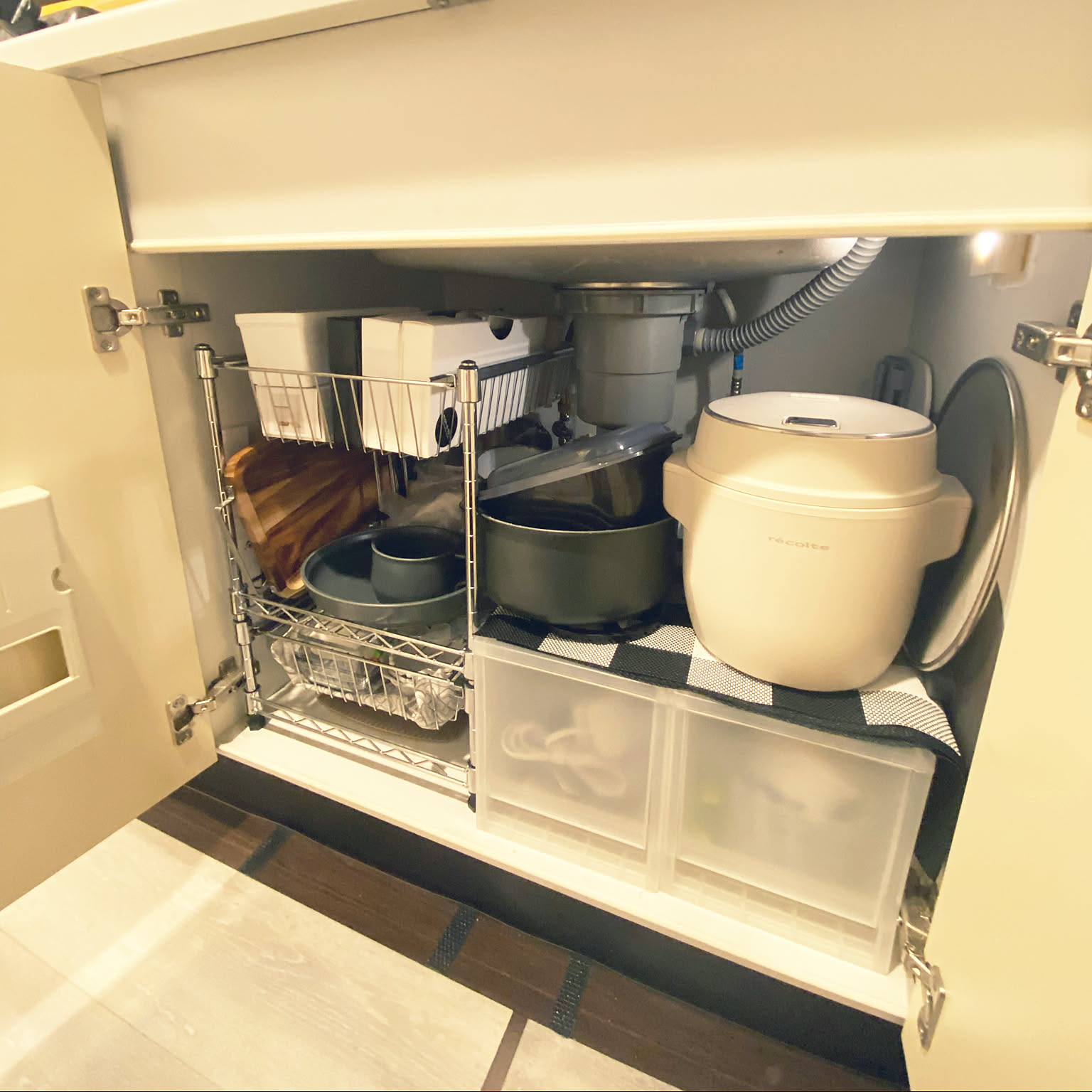
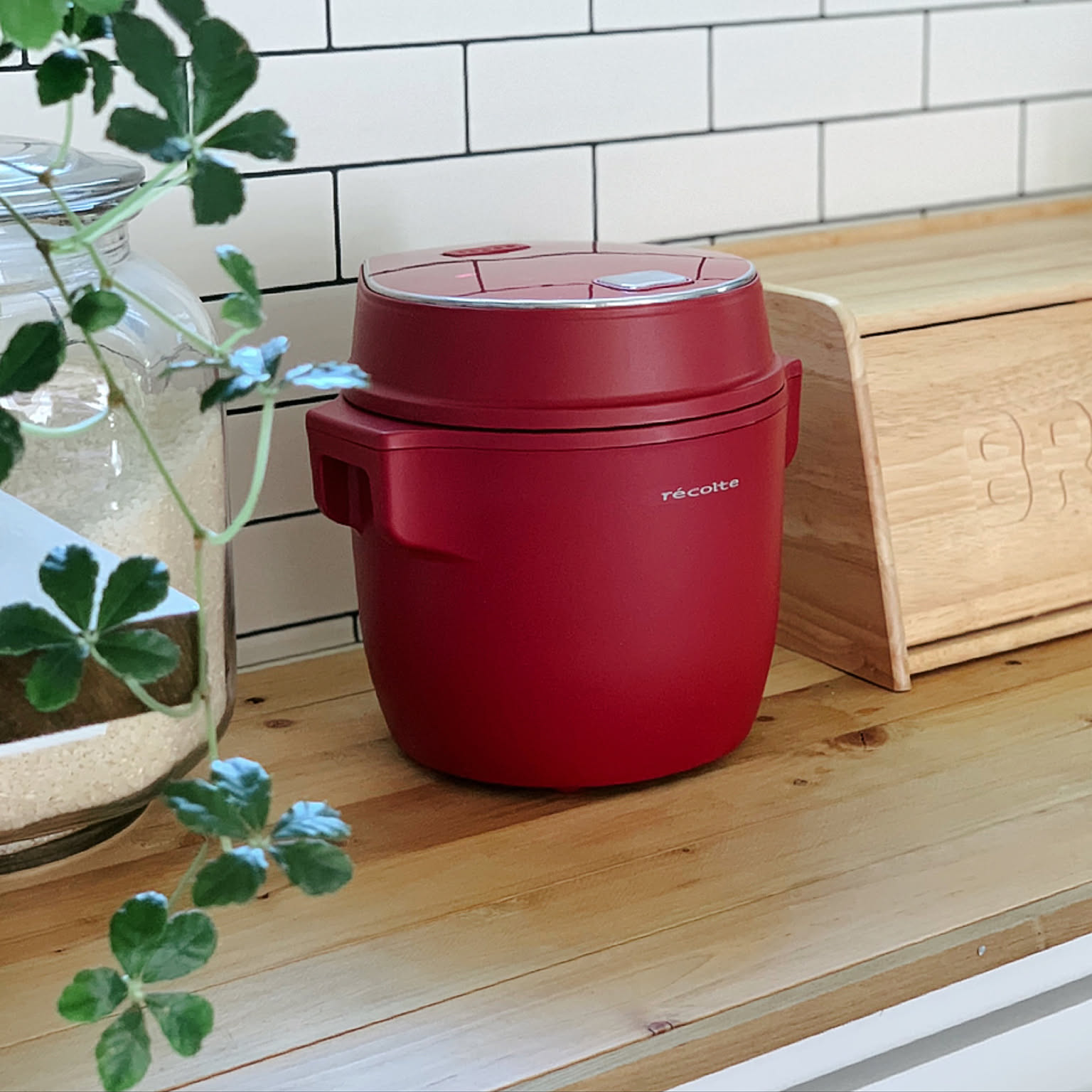
This photo shows how small a Japan-market Recolte cooker can be in storage. It is not a US purchase recommendation: the RCR-1 shown here is discontinued, and Recolte specifies AC 100V for the model.
How to Choose the Right Size
Start with your usual uncooked batch. If you normally cook 0.5 to 1.5 go, a small cooker can reduce the footprint. If you regularly cook 2 go, choosing a cooker with a higher manufacturer-listed limit gives you more room for mixed rice and avoids operating at maximum capacity every time.
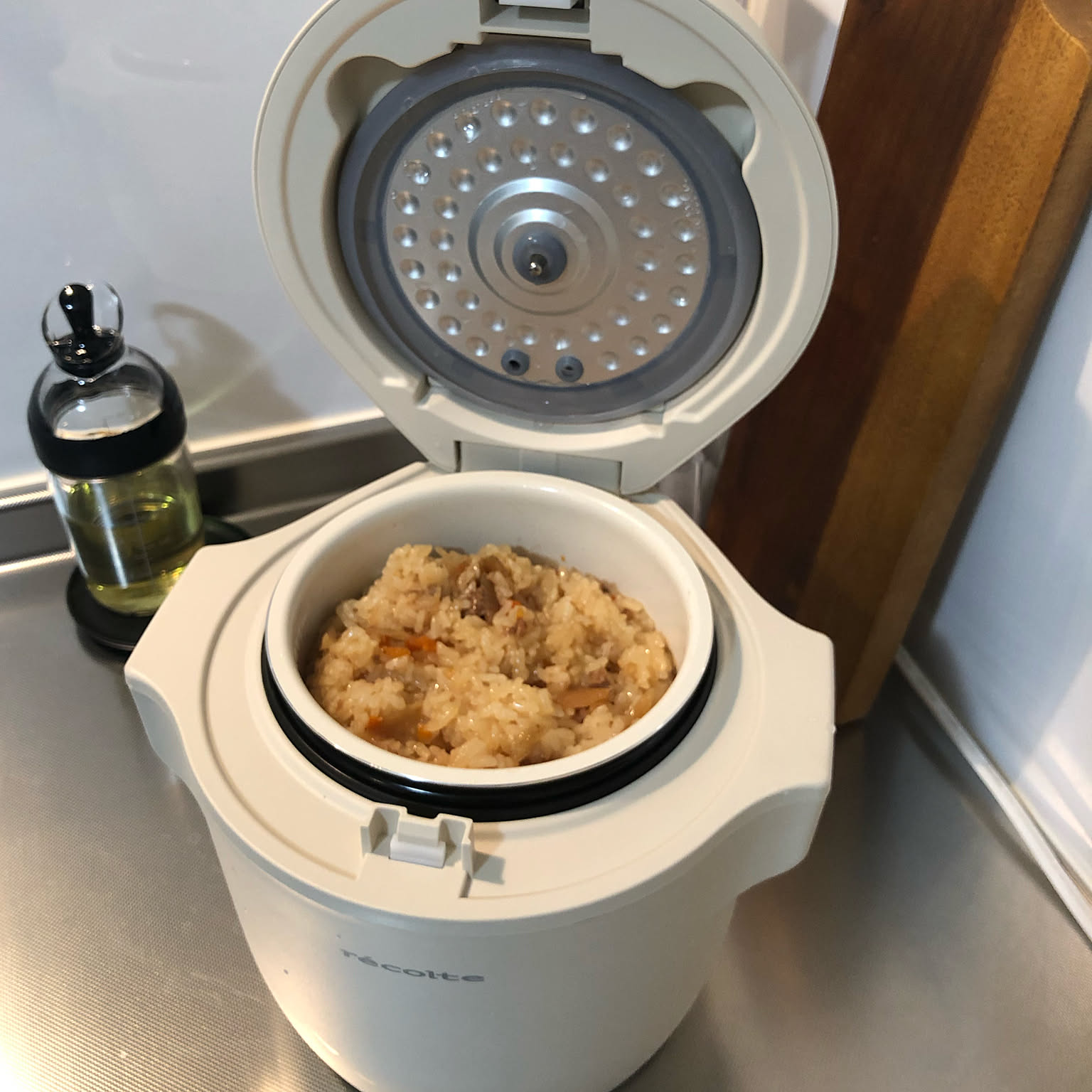
How the three options compare
| Spec | Japan-market 2-go | US-market 3-cup | Microwave vessel |
|---|---|---|---|
| Best for | Size reference only | Daily electric cooking | Occasional small batches |
| Power | Often 100V; verify model | Choose a listed 120V model | Uses your microwave |
| Capacity | 2 go uncooked | Up to 3 go uncooked | Varies by vessel |
| US support | Often import-only | US seller and warranty available | Check vessel instructions |
| Main drawback | Voltage and warranty risk | Larger footprint | More hands-on; no keep-warm |
Capacity terms are not interchangeable. Confirm whether a listing means uncooked rice-cooker cups, US measuring cups, or cooked yield.
When a Microwave 2-Cup Cooker Makes Sense
A microwave rice cooker can be useful, but it should not be confused with a plug-in rice cooker. It is closer to a compact cooking vessel: great for dorms, occasional rice, backup cooking, or a kitchen where another appliance simply will not fit.
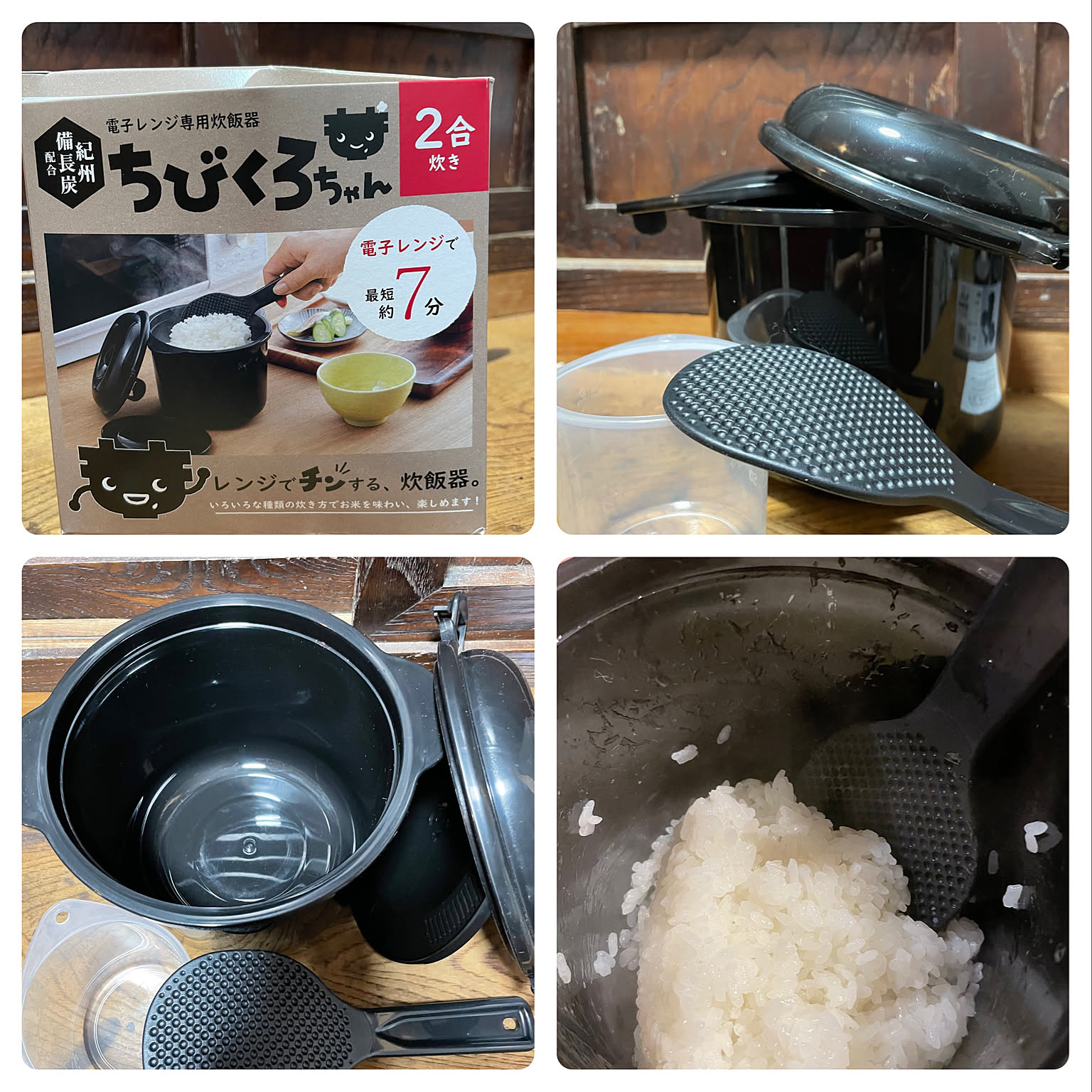
Choose this route only if the vessel instructions match your microwave and you are comfortable managing timing, water, and rest time. For automatic daily cooking, use a US-market electric model.
Counter Fit Matters More Than the Spec Sheet
Small rice cookers are often bought for the footprint, but the real test is where the lid opens, where steam goes, and whether you will actually keep it accessible. A compact cooker that gets buried in a cabinet will not help your daily routine.
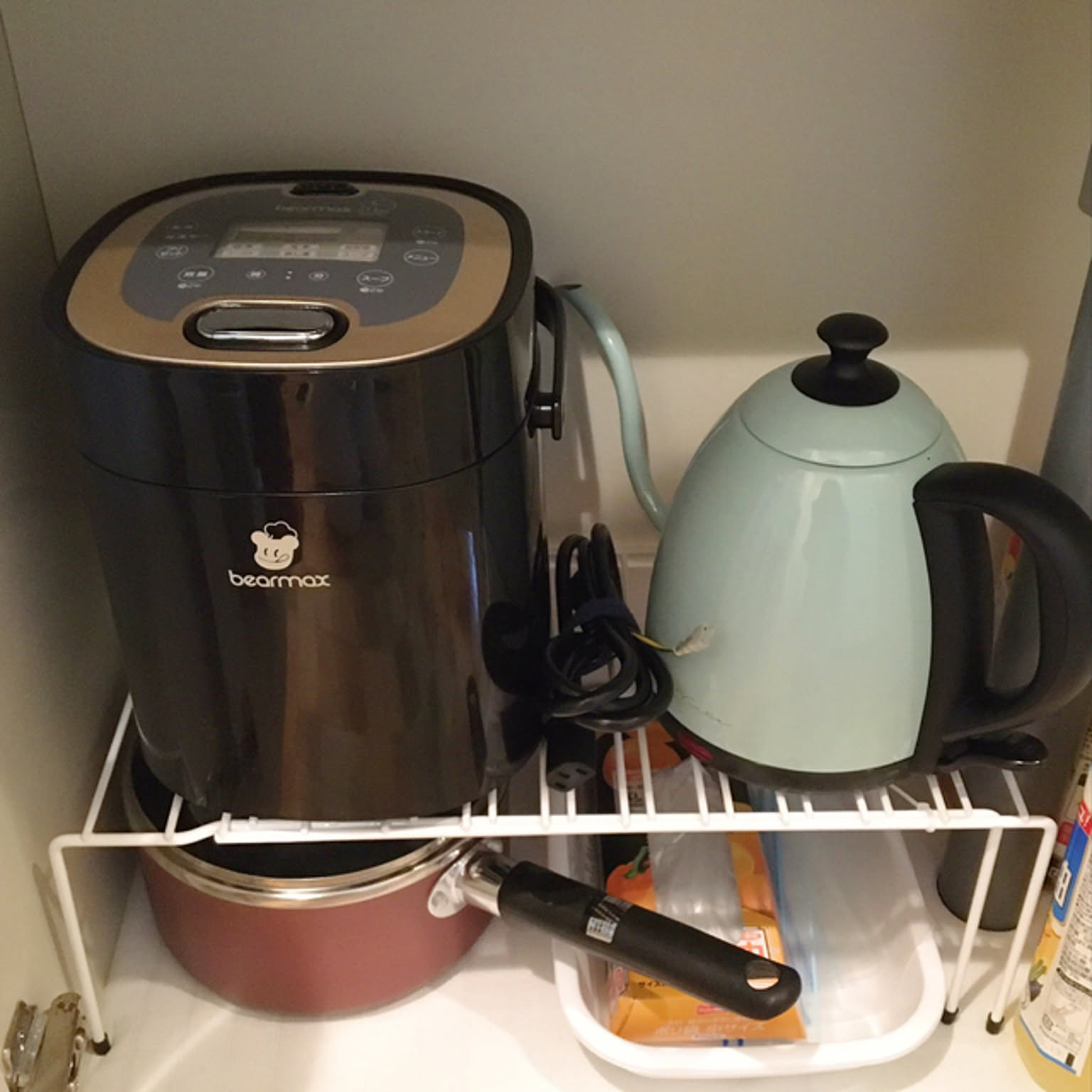
If the cooker stays on the counter, measure width, depth, lid-open height, and steam clearance. If it will be stored, check weight, cord storage, and whether the inner pot is easy to remove in your sink.
When to Skip 2-Cup and Buy 3-Cup
Choose a 3-cup model when two people eat rice regularly, you want leftovers, or you cook mixed rice. Zojirushi currently lists the NHS-06 as a 120V, 3-cup model at $59.99, although the automatic keep-warm feature is only on its larger NHS-10 and NHS-18 versions. Tiger lists the JNP-S55U as a 120V, 3-cup model with a one-year US/Canada warranty. Prices and stock can change; both checks were made September 8, 2026.
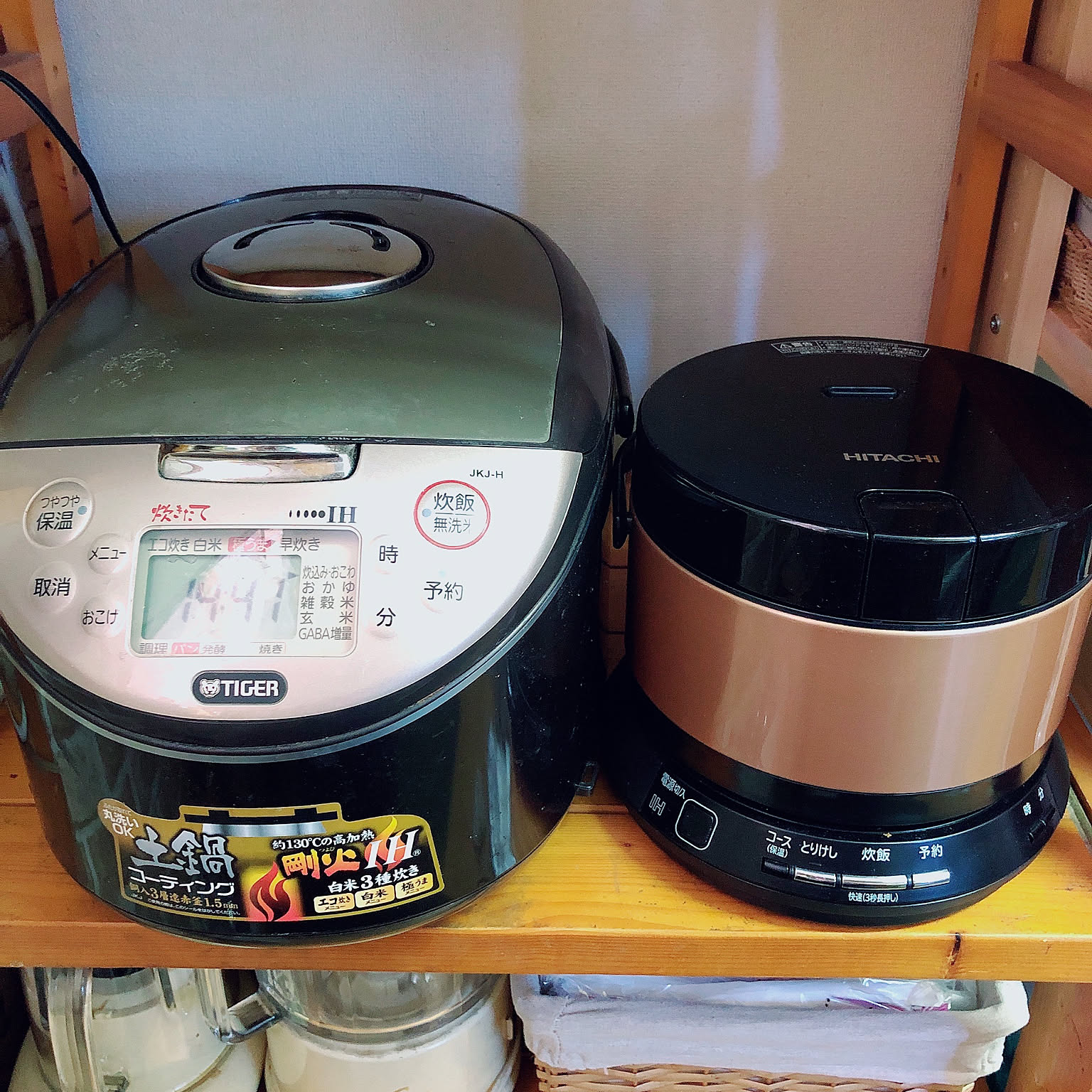
The photo makes the footprint difference visible, but it does not establish electrical compatibility. Compare current US models and exact specifications in our 3-cup rice cooker guide.
Before You Buy
- Check whether capacity means go, uncooked rice-cooker cups, US measuring cups, or cooked yield.
- Buy an electric cooker only when the exact model is rated for your power supply; a plug adapter does not convert 100V to 120V.
- Confirm the seller is covered by the manufacturer's US warranty before ordering.
- Look for a removable inner lid and inner pot if cleanup in a small sink matters.
- Avoid exact 2-go if you regularly cook mixed rice, brown rice, or rice for two people.
What to buy instead
If you want a daily electric rice cooker, compare current 120V 3-cup models rather than choosing an imported exact 2-go cooker from a marketplace search. If the extra inches will not fit, use a microwave rice vessel and follow its model-specific instructions. We are not linking the discontinued Recolte RCR-1 or the unverified Everia and TokyoDeco imports as purchases.
Frequently asked questions
Is a 2-cup rice cooker better than a 3-cup rice cooker?
What does 2-cup mean on Japanese rice cookers?
Is a 2-cup rice cooker enough for two people?
Should I buy a microwave 2-cup rice cooker instead?
by Japanese Home Goods Editorial
RoomClip usage context, manufacturer specifications, and US-market availability are reviewed by the Japanese Home Goods editorial team. We do not claim hands-on testing unless an article explicitly says so.
Related Articles

Best Small Japanese Rice Cookers for Compact Kitchens
A small Japanese rice cooker should fit your counter, your batch size, and your daily routine. This guide separates ultra-mini cookers from practical 3-cup models so you do not buy too small.

Best Mini Japanese Rice Cookers for One Person and Tiny Kitchens
A mini Japanese rice cooker should solve a space problem without making dinner harder. These compact picks fit one-person routines, narrow counters, and small-batch rice better than a standard 5.5-cup cooker.

1-Cup vs 3-Cup Rice Cooker: Which Small Size Fits Your Routine?
A 1-cup rice cooker sounds perfect for one person, but a 3-cup model is often easier to live with. Use this guide to choose the small rice cooker size that fits your kitchen, cooking rhythm, and leftover plans.

Best 3-Cup Rice Cookers for US Kitchens and Two-Person Homes
Two verified 120V, 3-cup Japanese-brand rice cookers for US kitchens, compared by everyday simplicity, grain settings, compact placement, and warranty support.

3-Cup vs 5.5-Cup Rice Cooker: Which Size Should You Buy?
If you are stuck between a compact 3-cup cooker and a standard 5.5-cup model, start with kitchen reality, not brand hype. Here is when 3 cup really makes sense, and when 5.5 cup is the safer default.