Zojirushi 3-Cup Rice Cooker Models Compared
A 3-cup Zojirushi rice cooker is the right size for one or two people, but model names, heating tiers, and made-in-Japan claims need careful checking. This guide explains the safest buying lanes.

A Zojirushi 3-cup rice cooker is easy to recommend only after you separate three questions: how much rice you cook, which heating tier you actually need, and what the exact listing says. The brand name helps, but it does not replace checking the model page, country of manufacture, seller, voltage, and warranty.
Use this page for Zojirushi 3-cup model comparison. For the broader Zojirushi shortlist, start with Best Zojirushi Rice Cookers; for all brands in this size, use Best 3-Cup Rice Cookers.
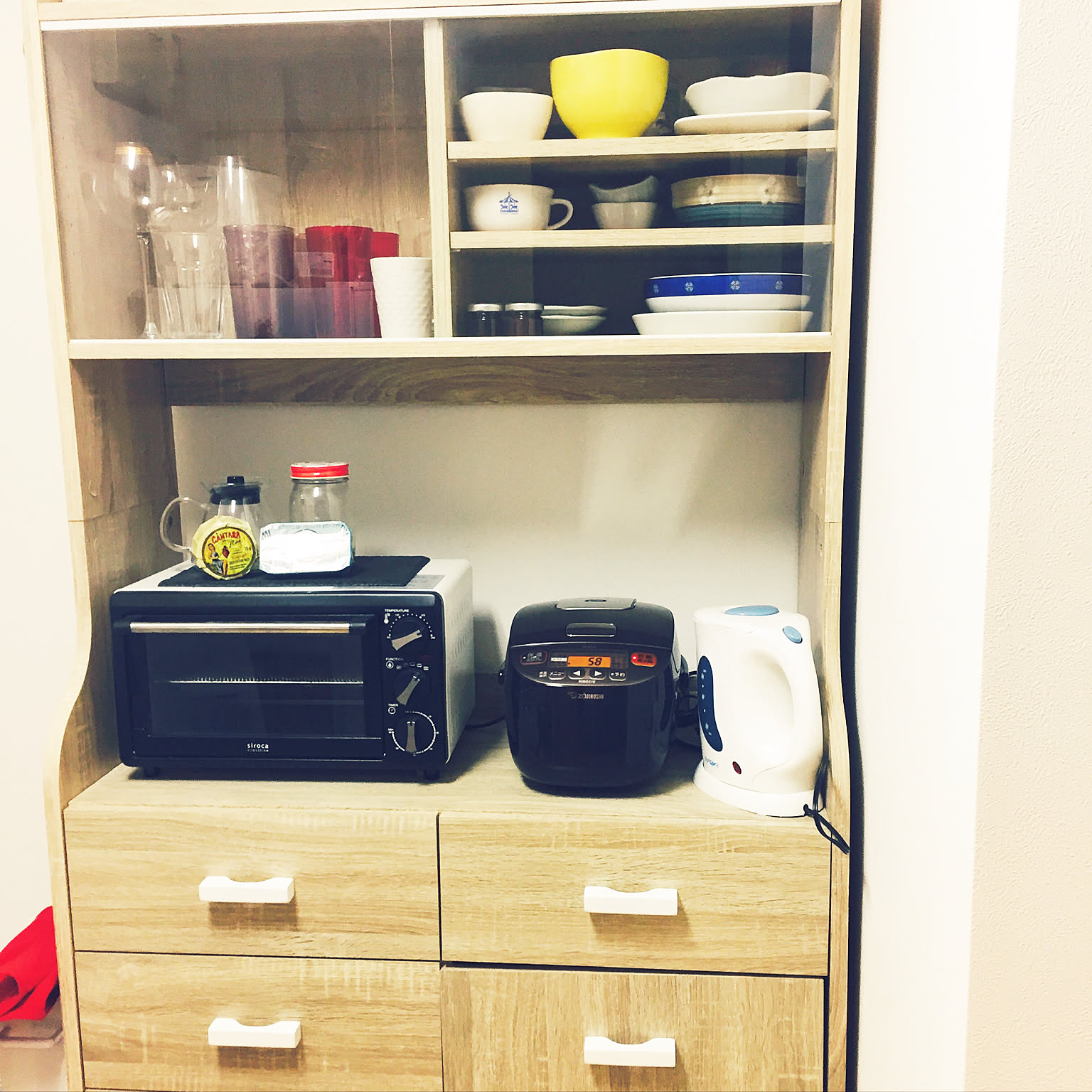
Quick Answer
For most solo cooks and couples, the safest Zojirushi 3-cup choice is a practical micom model unless you are specifically upgrading for texture. If you want the premium lane, compare 3-cup IH or pressure-IH listings, then verify whether that exact model is current, supported, and made where the seller claims.
- Best overall lane: a Zojirushi 3-cup IH cooker if texture matters and the listing is clean.
- Best practical lane: a 3-cup micom Zojirushi for small apartments and everyday white rice.
- Best budget/simple lane: a basic 3-cup Zojirushi such as the NHS-style lane, if you do not need menu depth.
Our Picks
Pick #1: Zojirushi 3-Cup IH Lane
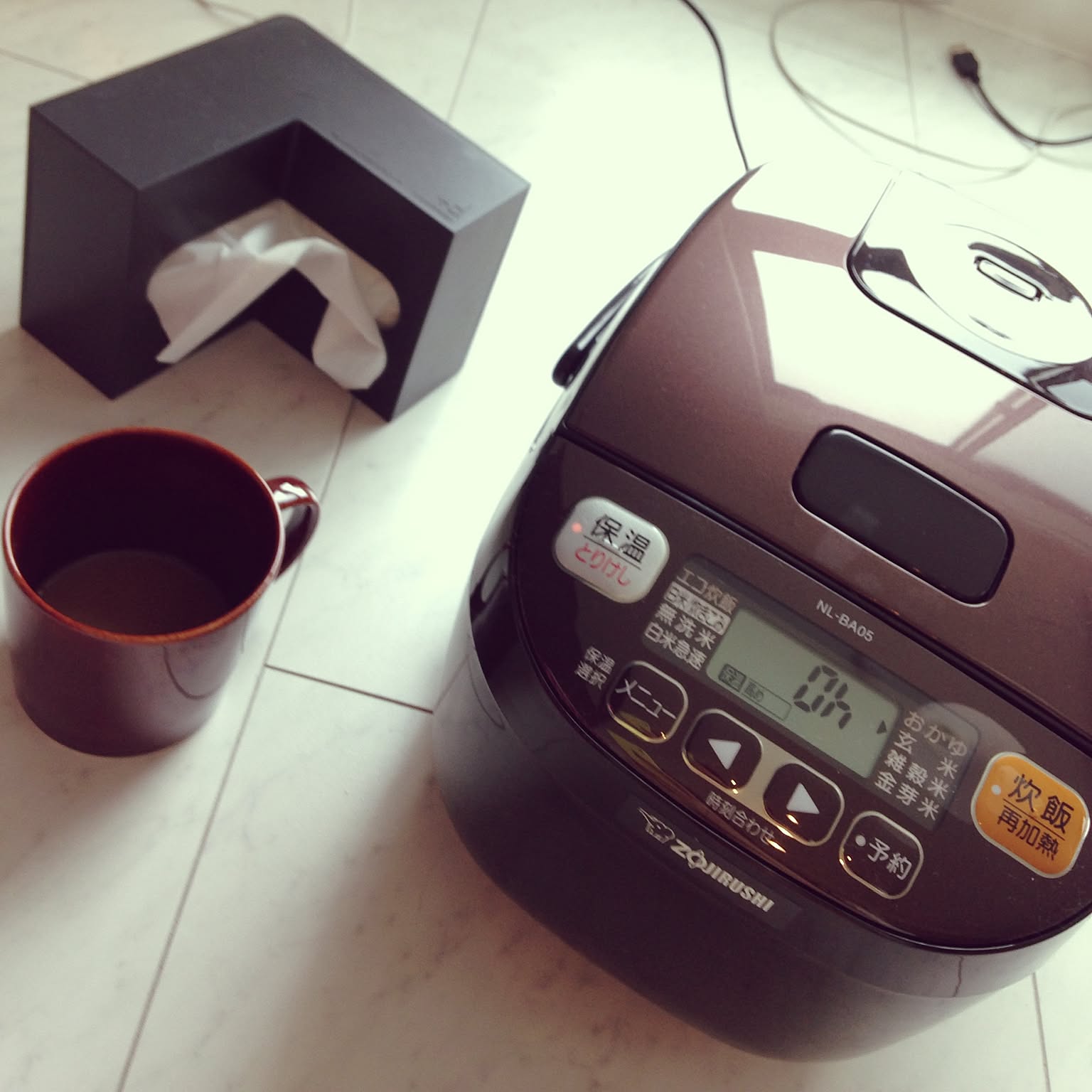
Choose the IH lane if the reason you are buying Zojirushi is rice texture. This is the lane to compare when you care about short-grain rice, small-batch consistency, and better heat control than a basic cooker can offer.
The key is not the word IH by itself. It is the exact model. Some premium 3-cup Zojirushi listings may advertise Japan-made construction, while other small Zojirushi cookers are practical imports or non-IH models. Treat the photo here as a real Zojirushi 3-cup IH example, not proof of any current Amazon listing.
Pick #2: Zojirushi 3-Cup Micom Lane
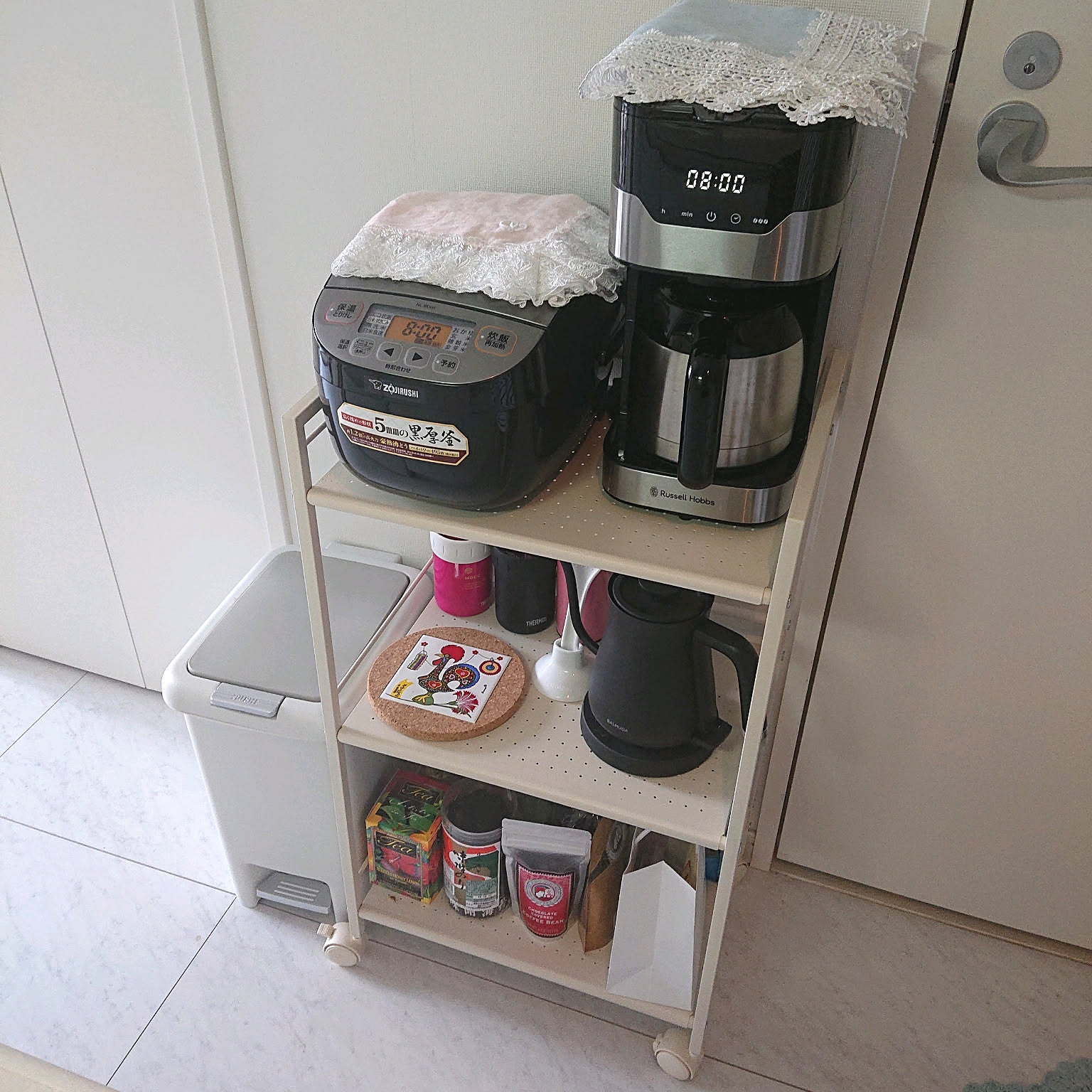
The micom lane is the sensible default for most small kitchens. It gives you a real rice cooker with a compact footprint, water lines, keep-warm, and useful menus without pushing the price into premium territory.
This is the lane to choose if you cook one or two cups often, store the cooker on a wagon or shelf, and want something easy to live with. For many buyers, that daily fit matters more than chasing the highest heating tier.
Pick #3: Simple or Older Compact Zojirushi Lane
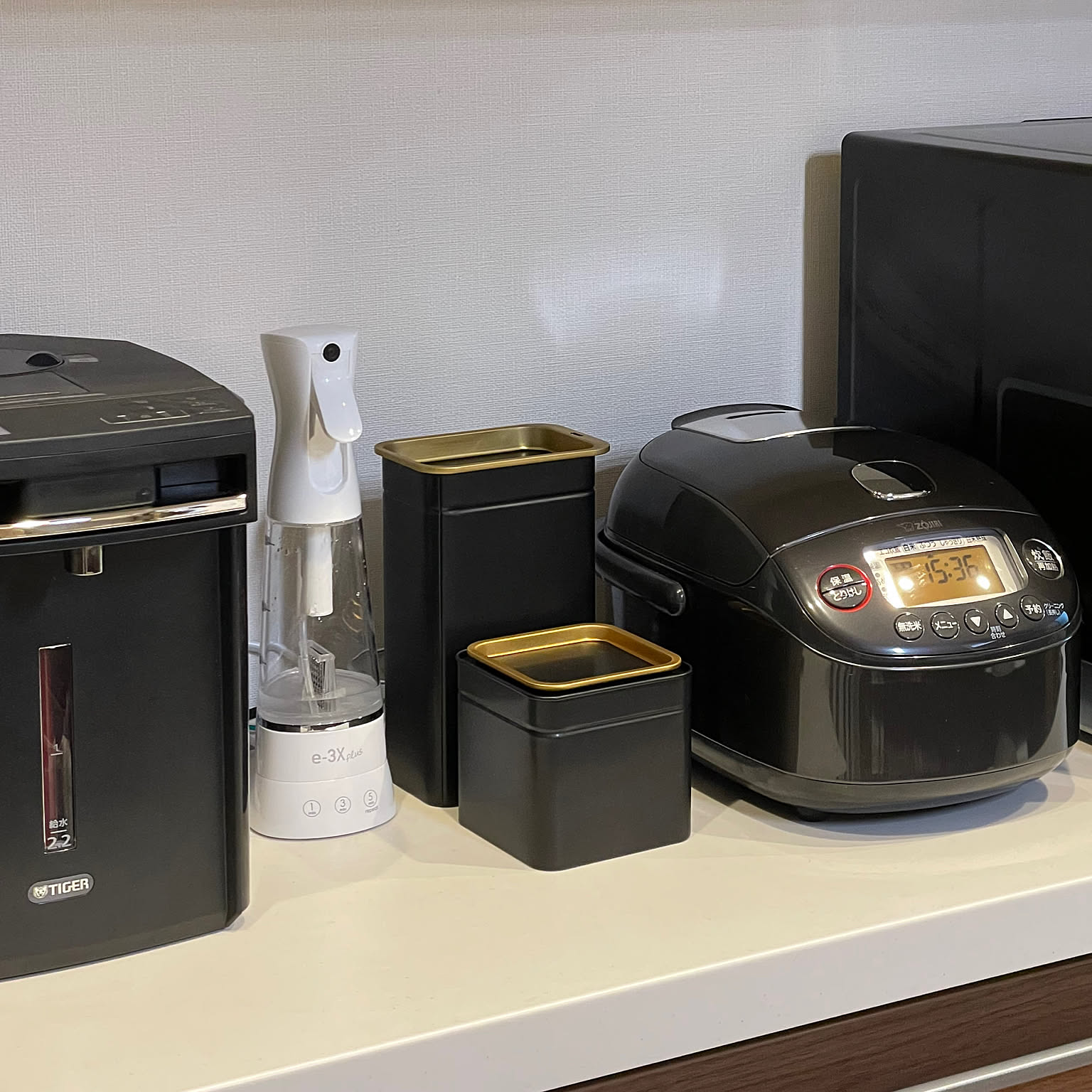
A simple or older compact Zojirushi can still make sense if your priority is basic white rice, small size, and a lower price. This lane is where you need to be most careful with marketplace listings, because older, used, imported, and refreshed listings can sit next to each other.
If the listing is for NHS-06 or another simple 3-cup cooker, expect fewer menus and less texture control. That is not automatically bad. It just means the cooker should be priced and described like a simple appliance, not a premium short-grain specialist.
What 3-Cup Means
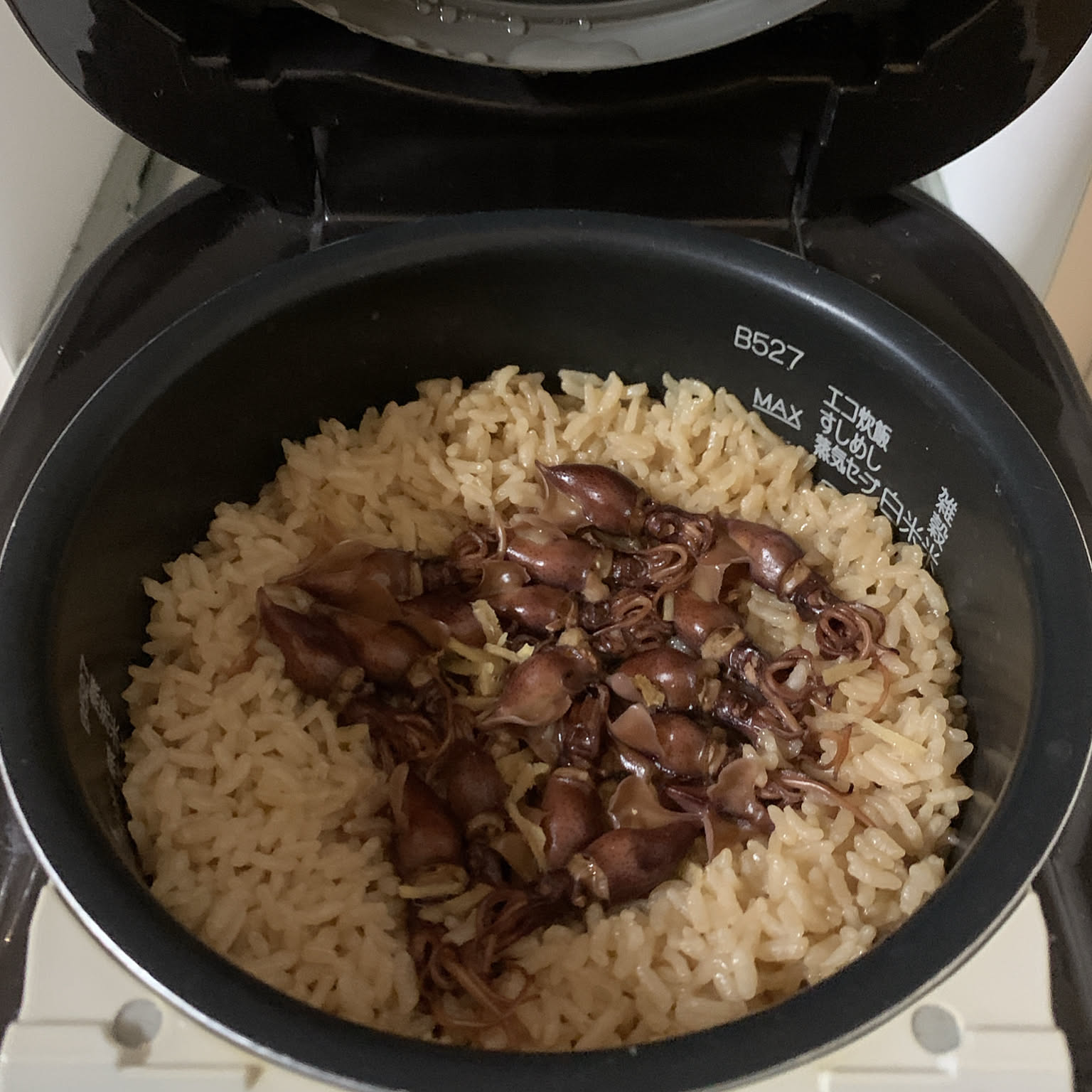
A Japanese 3-cup rice cooker means 3 go of dry rice capacity. One go is about 180 milliliters, so this is not the same as three US measuring cups. In real use, it is a daily cooker for one person, a couple, or small batches of rice for the next meal.
If you regularly cook rice for three or four people, or if you want leftovers every time, a 5.5-cup cooker is easier. If you mostly cook one or two rice-cooker cups at a time, 3-cup is the size that feels natural on a small counter.
Made in Japan: What to Check
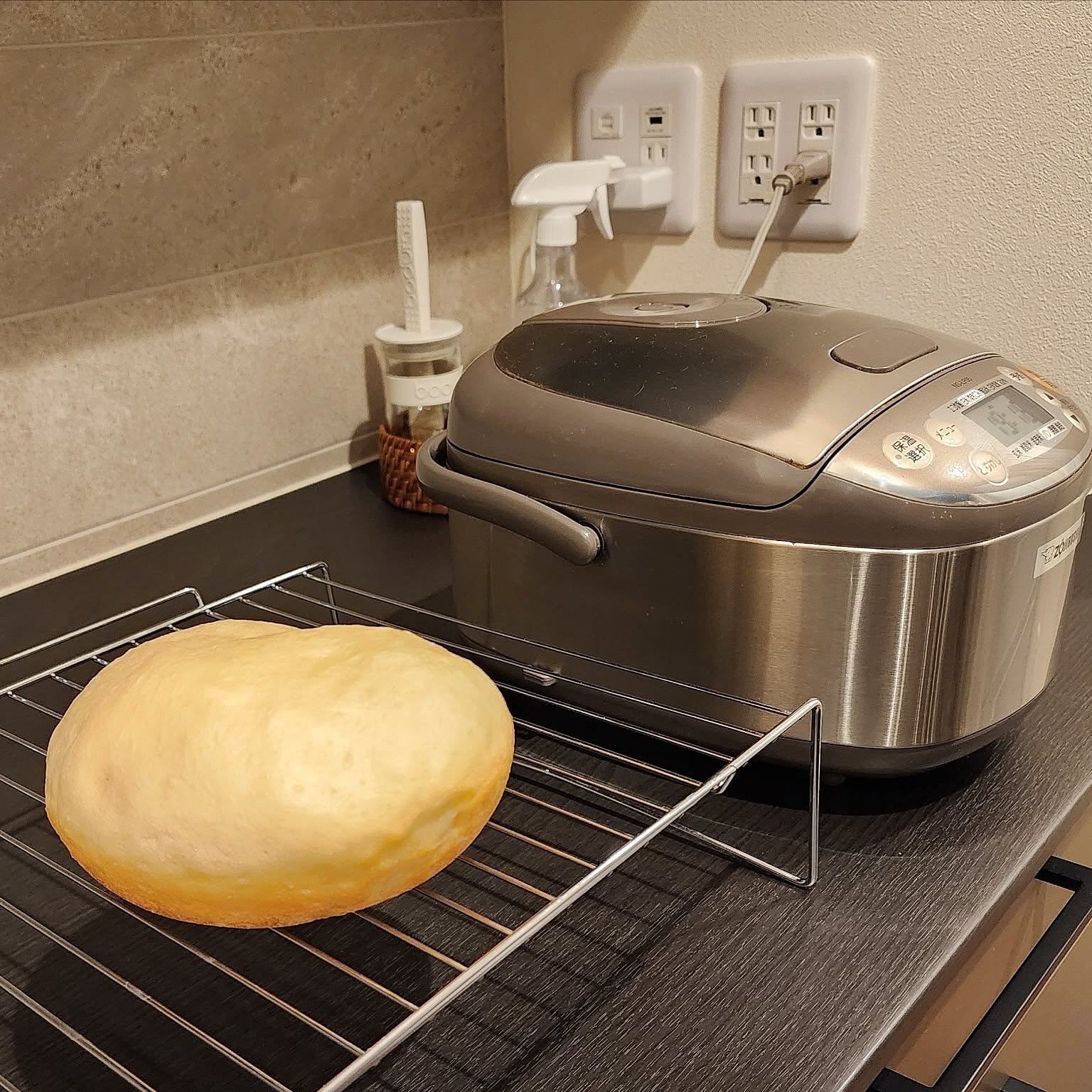
The search phrase Zojirushi 3 cup rice cooker made in Japan is understandable, but it can also be misleading. Zojirushi sells multiple small-cooker lanes across markets, and country of manufacture can vary by model and generation.
- Check the exact model number, not only the brand name.
- Check voltage and plug type, especially for imports.
- Check warranty and seller support before paying a premium.
- Do not assume a RoomClip photo, marketplace title, and current official listing all describe the same model.
How It Fits a Small Kitchen
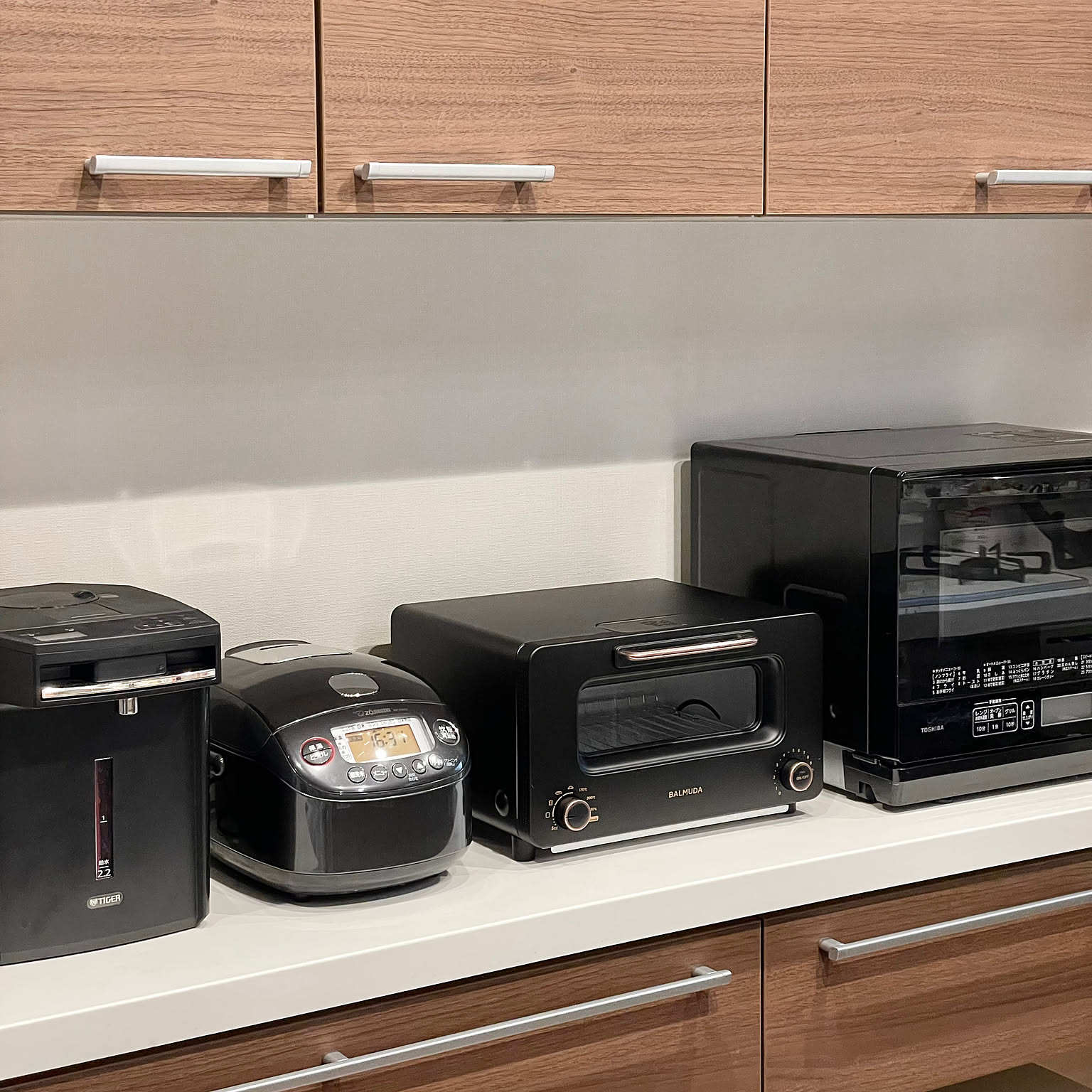
The best small rice cooker is not just shorter on paper. It should fit where you cook, open without hitting a shelf, and stay close enough that you will actually use it. A 3-cup cooker is especially useful when the rice cooker shares space with a toaster, kettle, microwave, or coffee setup.
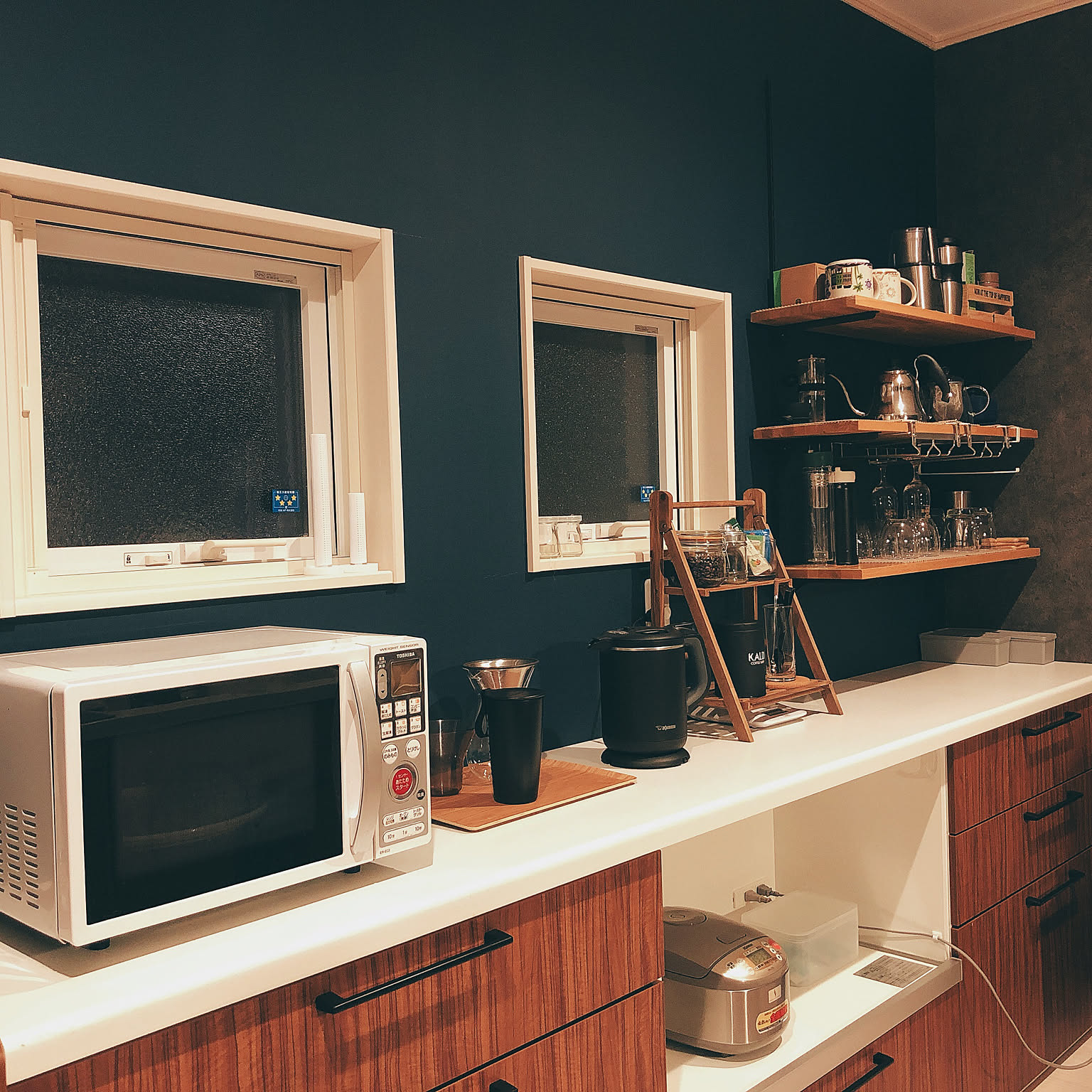
Before buying, measure the width and depth of the shelf, then measure lid clearance. A cooker that has to be moved every time you fill, open, or clean it will feel bigger than the spec sheet says.
Controls and Cleaning
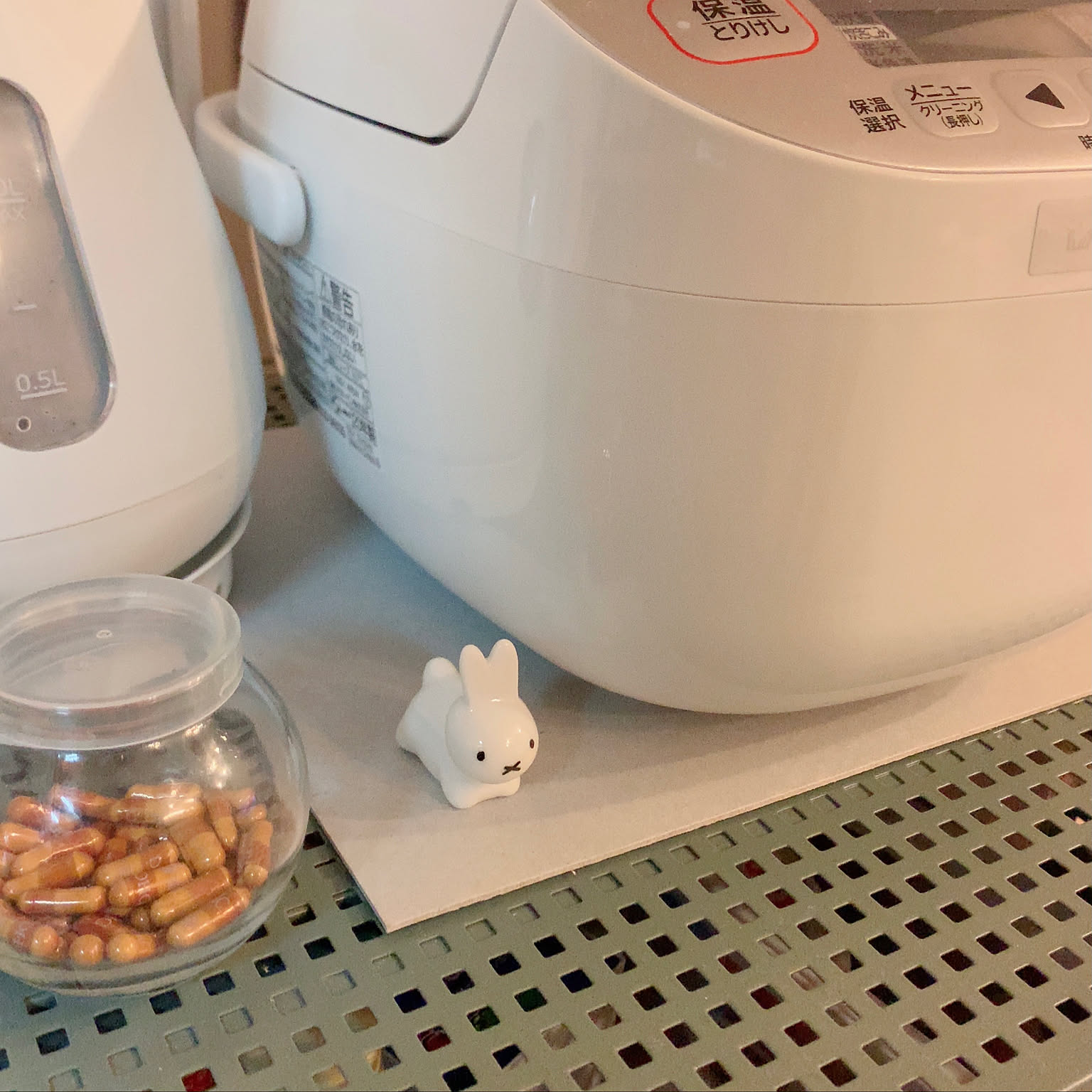
Menu count matters less than menu clarity. For most small households, you need dependable white rice, maybe mixed rice or brown rice, a keep-warm mode you trust, and parts you can clean without turning dinner into a project.
If you are choosing between a cheaper micom cooker and a more expensive IH cooker, look at the inner lid, steam vent, display, and replacement-part availability. Those details decide whether the cooker stays pleasant after the first month.
Ready to buy?
Use these as buying lanes, not photo-exact model claims. Confirm the current model, seller, voltage, country of manufacture, and return policy on the final product page.
Frequently asked questions
Is a Zojirushi 3-cup rice cooker big enough?
Are Zojirushi 3-cup rice cookers made in Japan?
Should I buy a 3-cup IH or micom Zojirushi?
Is a 3-cup Zojirushi good for Japanese short-grain rice?
by Japanese Home Goods Editorial
RoomClip usage context, manufacturer specifications, and US-market availability are reviewed by the Japanese Home Goods editorial team. We do not claim hands-on testing unless an article explicitly says so.
Related Articles

Best 3-Cup Rice Cookers for US Kitchens and Two-Person Homes
Two verified 120V, 3-cup Japanese-brand rice cookers for US kitchens, compared by everyday simplicity, grain settings, compact placement, and warranty support.

Best Mini Japanese Rice Cookers for One Person and Tiny Kitchens
A mini Japanese rice cooker should solve a space problem without making dinner harder. These compact picks fit one-person routines, narrow counters, and small-batch rice better than a standard 5.5-cup cooker.

Best Zojirushi Rice Cookers: 2026 Buyer's Guide
The best Zojirushi rice cooker depends on size, heating tier, and whether you want a current US model or a Japan-market design piece like STAN. This guide narrows the choice to the models that make the most sense for real kitchens.

Micom vs IH Rice Cookers: Which Japanese Cooker Should You Buy?
Micom and IH rice cookers can both make excellent everyday rice. The right choice depends on your batch size, texture expectations, menu needs, counter space, and how much you want to spend.

Best Rice Cookers for Japanese Short-Grain Rice Texture
Japanese short-grain rice rewards a cooker that handles heat, soaking, texture, and keep-warm behavior well. This guide narrows the choice to practical Zojirushi and Tiger lanes, plus design-forward options for small kitchens.