Zojirushi SW-LA Food Jar Size Guide: 10 vs 14 vs 18 oz
Choose the 10, 14, or 18 oz Zojirushi SW-LA food jar by meal size, dimensions, heat retention, cleaning, and the main drawback of each size.

For most adults, the 14 oz Zojirushi SW-LA40 is the best default. Choose the 10 oz SW-LA30 for oatmeal, a side, or a light lunch; choose the 18 oz SW-LA52H when the jar needs to hold most of the meal.
This guide uses current Zojirushi US specifications for size, temperature tests, care, and price. RoomClip photos show concrete ways Japanese households carry and store Zojirushi jars. They do not measure popularity or prove that an older jar performs like the current SW-LA series.
Quick answer
- 10 oz SW-LA30: best for a side, breakfast, or smaller appetite; avoid it for a full one-container lunch.
- 14 oz SW-LA40: best all-around size; its main drawback is that large adult lunches may still need another container.
- 18 oz SW-LA52H: best for a substantial soup, chili, or rice bowl; avoid it when you value the shortest, lightest setup.

How the three sizes compare
| Spec | 10 oz SW-LA30 | 14 oz SW-LA40 | 18 oz SW-LA52H |
|---|---|---|---|
| Capacity | 10 oz / 0.30L | 14 oz / 0.40L | 18 oz / 0.52L |
| Dimensions | 3.75 x 3.75 x 4.38 in | 3.75 x 3.75 x 5 in | 3.75 x 3.75 x 5.75 in |
| Listed weight | About 11 oz | About 12 oz | About 13 oz |
| Heat after 6 hours | 144°F | 153°F | 160°F |
| Cold after 6 hours | 50°F | 48°F | 48°F |
| US price checked | $36.99 | $38.99 | $39.99 |
| Best for | Side or light meal | Most everyday lunches | Full one-jar lunch |
| Main drawback | Limited meal volume | May need a side | Tallest when packed |
Zojirushi specifications and US store prices checked September 1, 2026. Temperature ratings use water starting at 203°F in a 68°F room; actual food results vary.
What actually changes between 10, 14, and 18 oz
All three jars use a 3-3/4-inch listed width and a 2-7/8-inch opening. The main physical change is height: roughly 4-3/8 inches for 10 oz, 5 inches for 14 oz, and 5-3/4 inches for 18 oz. A narrow lunch-bag pocket may therefore fit every diameter but still reject the taller 18 oz jar once its lid and pouch are included.

Choose the 10 oz SW-LA30 for a smaller portion
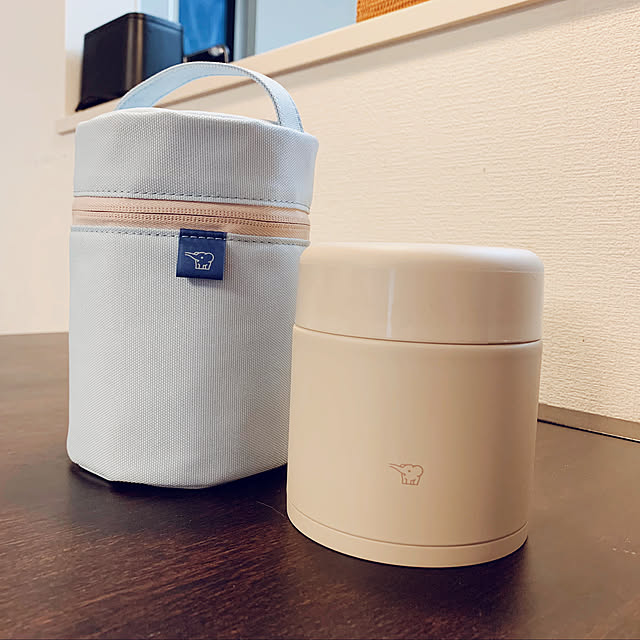
Ten ounces works for oatmeal, yogurt kept cold, a soup side, or a light meal paired with a bento box. It is the easiest size to fit vertically, but it offers only a modest capacity saving for nearly the same width as the larger jars. If the jar must hold an entire adult lunch, start with 14 oz instead.
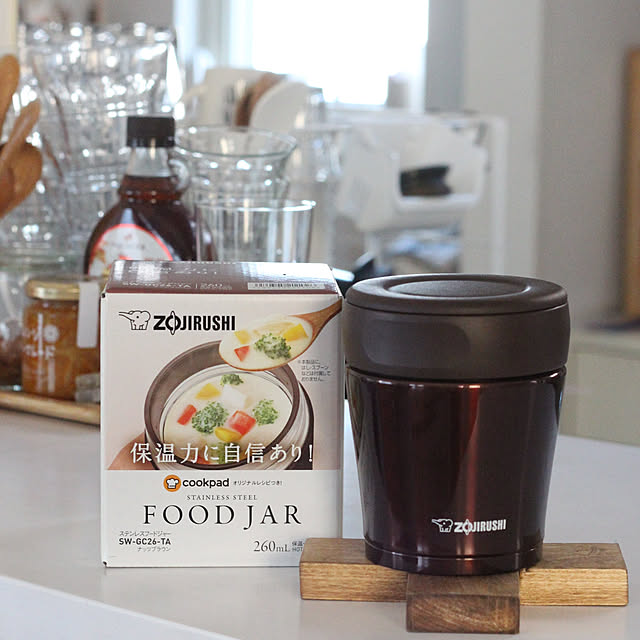
Earlier compact Zojirushi jars
Choose the 14 oz SW-LA40 as the everyday default
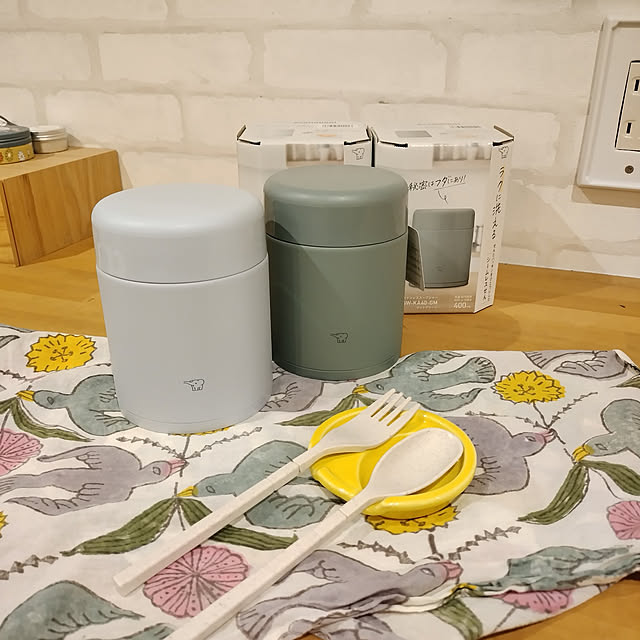
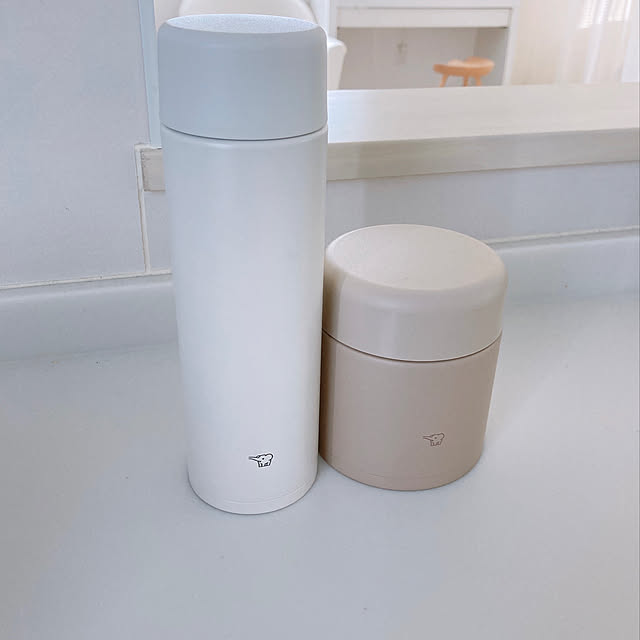
Fourteen ounces is the middle choice in capacity, height, price, and published heat retention. It is large enough for a moderate serving of soup, curry, or oatmeal without committing to the tallest body. Its limitation is straightforward: a large appetite or a meal with bulky solids may still require a side container.
Earlier Zojirushi jars in daily carry setups
Choose the 18 oz SW-LA52H for a one-jar meal
Eighteen ounces is the better fit for chili, stew, a rice-based meal, or a substantial soup when you do not want a second food container. It has the highest published six-hour heat-retention figure of these sizes, but that controlled test is not a promise for every recipe. The tradeoff is extra height and more filled weight in the lunch bag.

Pack hot food safely
Zojirushi recommends preheating or precooling the jar for at least five minutes. For hot food, fill it with boiling water, close the lid, wait, discard the water, and immediately add piping-hot food. Keep the jar closed until mealtime. USDA guidance says hot food should remain at or above 140°F.
The published SW-LA figures were measured with hot water, not a partly filled chunky meal. A fuller jar usually leaves less air space, but starting temperature and recipe consistency still matter. When in doubt, check the food with a thermometer rather than inferring safety from elapsed time alone.

Cleaning and model-year differences
The current SW-LA product pages mark the series dishwasher-safe and describe an integrated gasket and removable Thermo-ring. Zojirushi's general FAQ covers older food jars with different hand-wash guidance. That is not a contradiction you should resolve by appearance: check the model number and follow its own manual.
Ready to buy?
Choose the amount you actually eat first. Then verify the exact SW-LA30, SW-LA40, or SW-LA52H model on the listing, because older Zojirushi jars can look similar while having different capacities and care instructions.
Featured Product
Zojirushi SW-LA30 Food Jar (10 oz)
$$ ($36.99)
Check Price on AmazonVerify specifications with the manufacturer · Checked 2026-09-01
Featured Product
Zojirushi SW-LA40 Food Jar (14 oz)
$$ ($38.99)
Check Price on AmazonVerify specifications with the manufacturer · Checked 2026-09-01
Featured Product
Zojirushi SW-LA52H Food Jar (18 oz)
$$ ($39.99)
Check Price on AmazonVerify specifications with the manufacturer · Checked 2026-09-01
Frequently asked questions
Which Zojirushi SW-LA food jar size is best for most adults?
Is a 10 oz food jar enough for lunch?
Is the 18 oz SW-LA52H too large?
Are Zojirushi SW-LA food jars dishwasher-safe?
How do I keep food hot in a Zojirushi food jar?
Can I microwave a Zojirushi stainless-steel food jar?
by Japanese Home Goods Editorial
RoomClip usage context, manufacturer specifications, and US-market availability are reviewed by the Japanese Home Goods editorial team. We do not claim hands-on testing unless an article explicitly says so.
Related Articles

Best Japanese Bento Boxes for Adults: 3 Practical Picks
Choose an adult bento box by capacity, carry style, material, reheating needs, and cleaning routine, with three practical Japanese picks for work and commuting.

How Japanese Homes Store Cooked Rice (Fridge vs Freezer)
In many Japanese homes, cooked rice goes to the freezer, not the fridge. Here is when each method makes sense, how to portion rice while it is still hot, and how to reheat it without drying it out.

Japanese Pantry Organization for a Small Kitchen
A practical small-kitchen pantry guide using Japanese homes as examples: food-stock limits, dry-goods drawers, rolling carts, labels, and weekly rotation.