Japanese Entryway Shoe Storage for Small Apartments
Small Japanese entryways work when daily shoes, backup pairs, umbrellas, keys, and cleaning tools each have a narrow place to land. Use these real genkan examples to keep the floor clear without adding bulky furniture.

A small Japanese entryway can hold more than it looks like, but only if shoes do not become one mixed pile by the door. The best shoe storage starts by separating daily pairs from backup pairs, then adding narrow homes for umbrellas, keys, and cleaning tools.
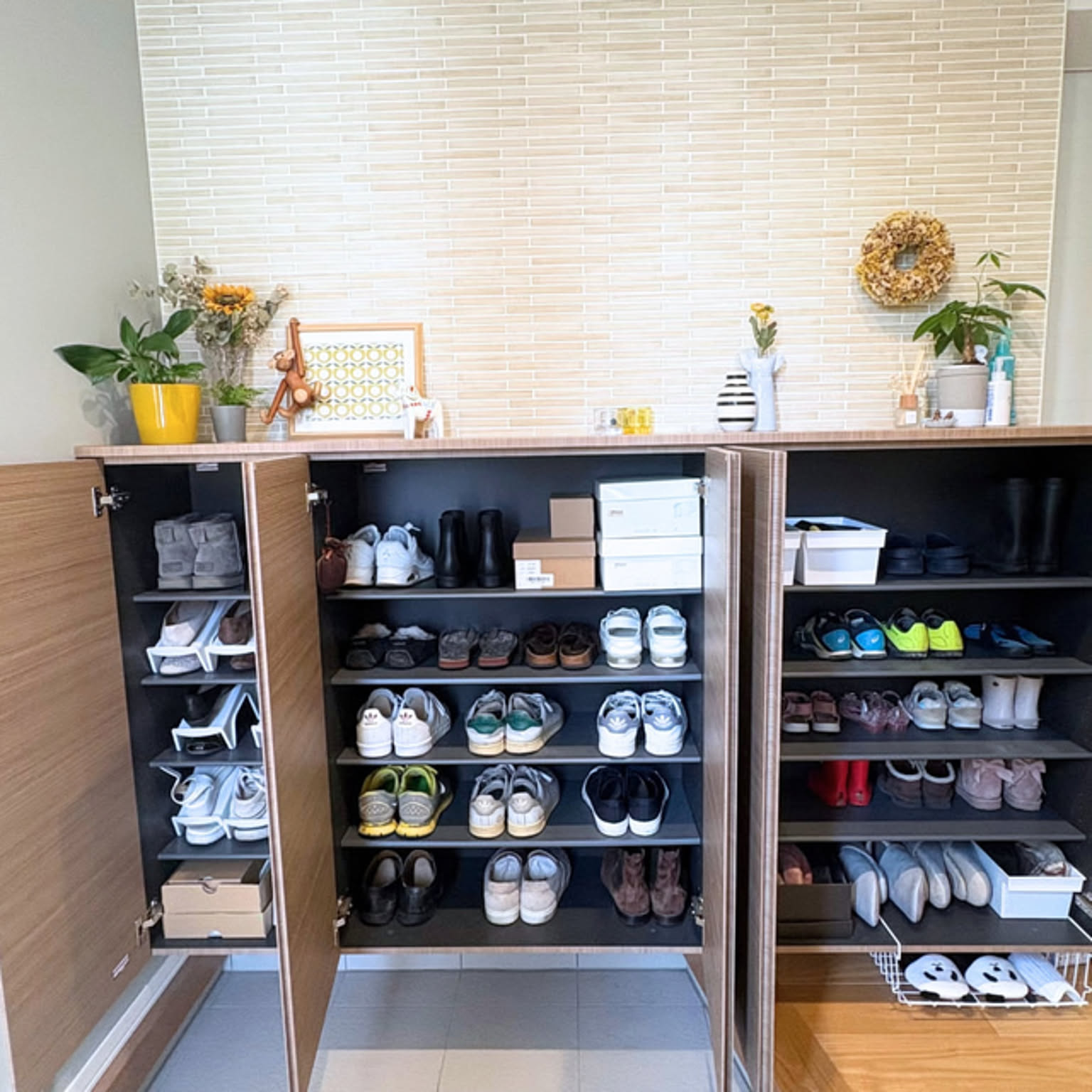
This is different from a general entryway makeover. The focus here is the shoe zone: what stays out, what moves into the cabinet, and what needs a separate landing spot so the floor can reset quickly.
Start with daily pairs, not total pairs
Most small entries fail because they try to keep every pair equally accessible. Instead, keep the current week's shoes closest to the door and move the rest into a less convenient but contained place.
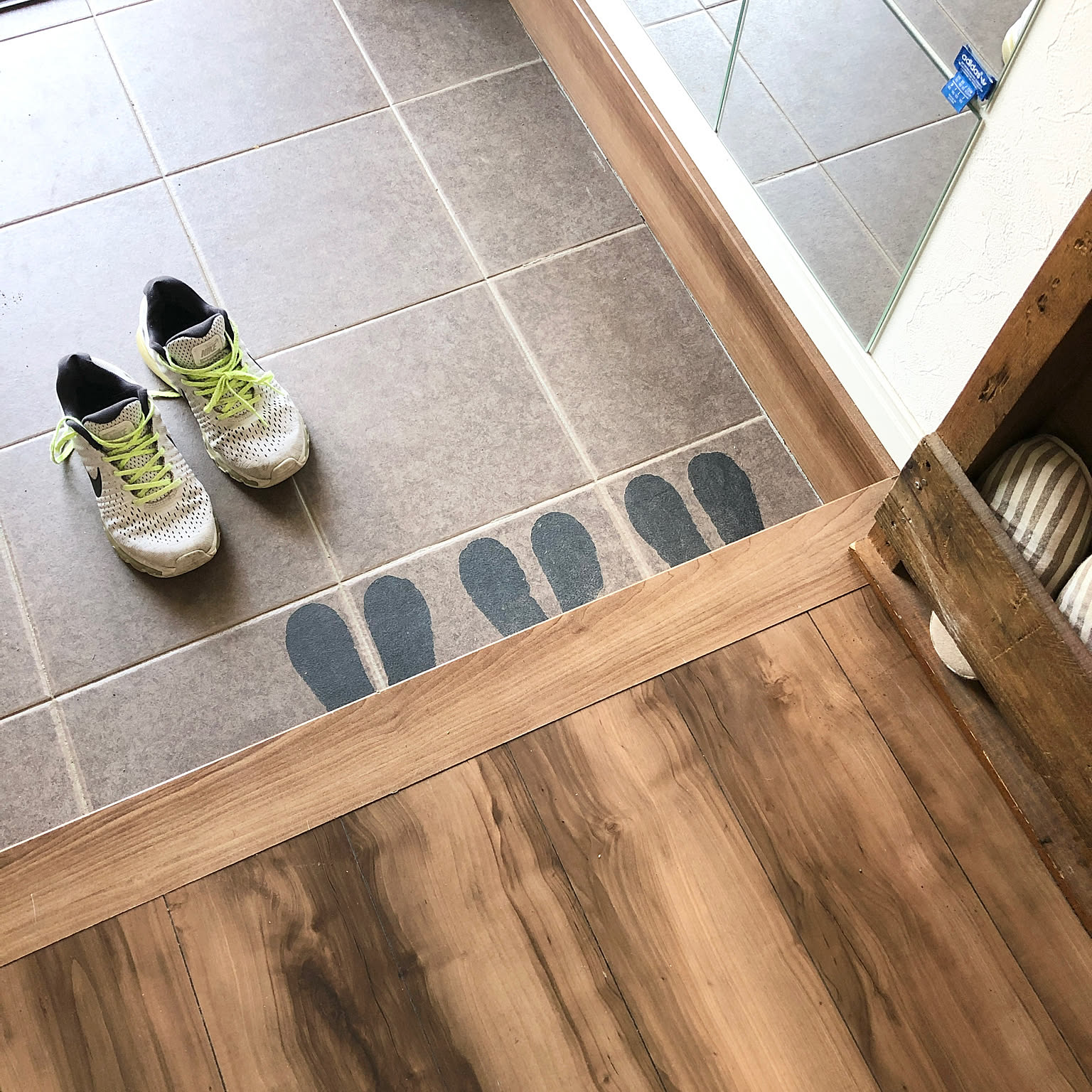
- Daily pairs: shoes worn this week, one pair per person if possible.
- Near-daily pairs: rain boots, gym shoes, or school shoes that need a visible low spot.
- Overflow: off-season shoes, dress shoes, guest slippers, and backup pairs.
Use shelf height before adding floor furniture
A shoe cabinet often has more height than it uses. A small internal rack can split one tall shelf into two usable zones, which keeps active pairs visible without adding another object to the entry floor.
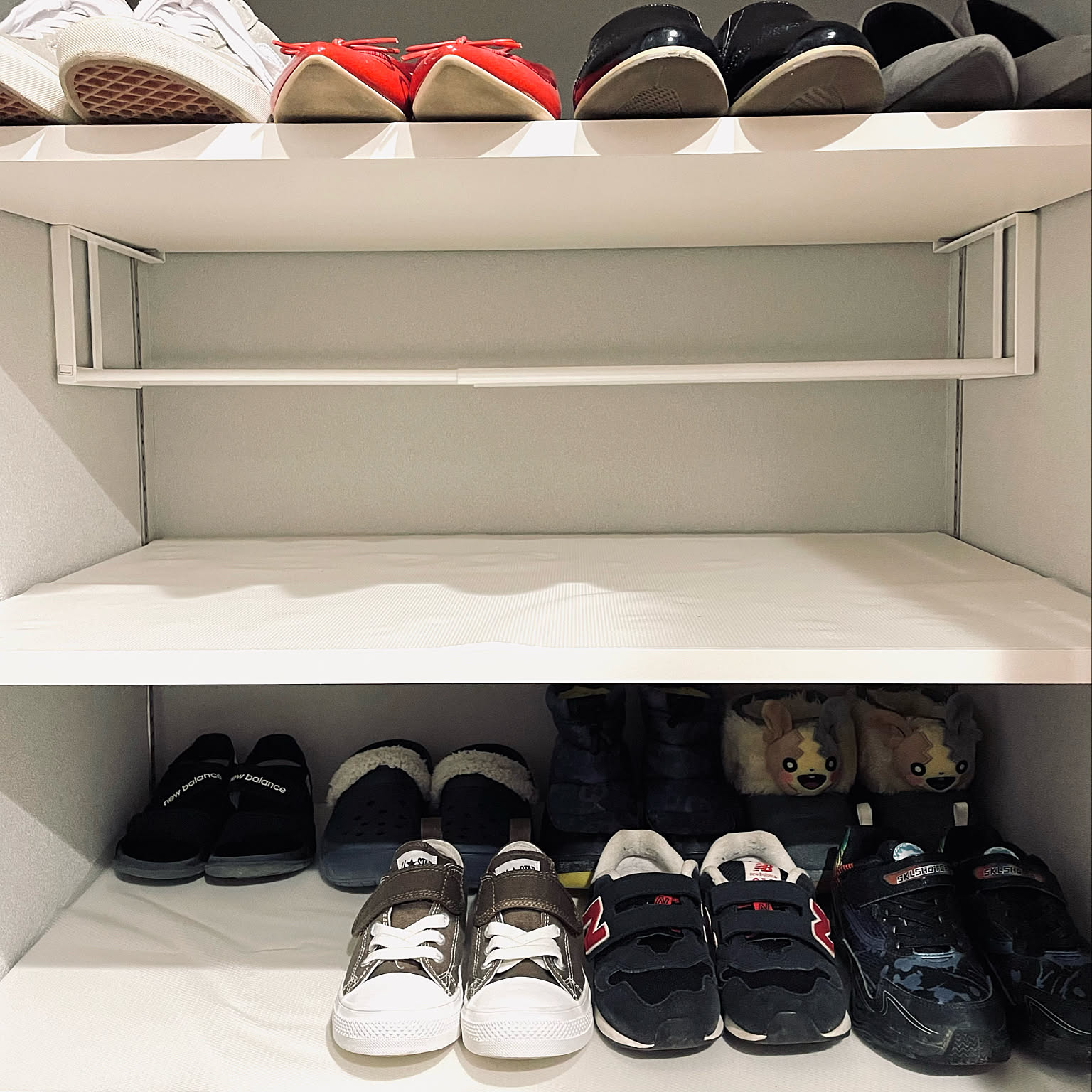
This works best for sneakers, flats, slippers, and kids' shoes. Tall boots and bulky shoes still need their own section so they do not crush or hide smaller pairs.
Go vertical when the floor is the constraint
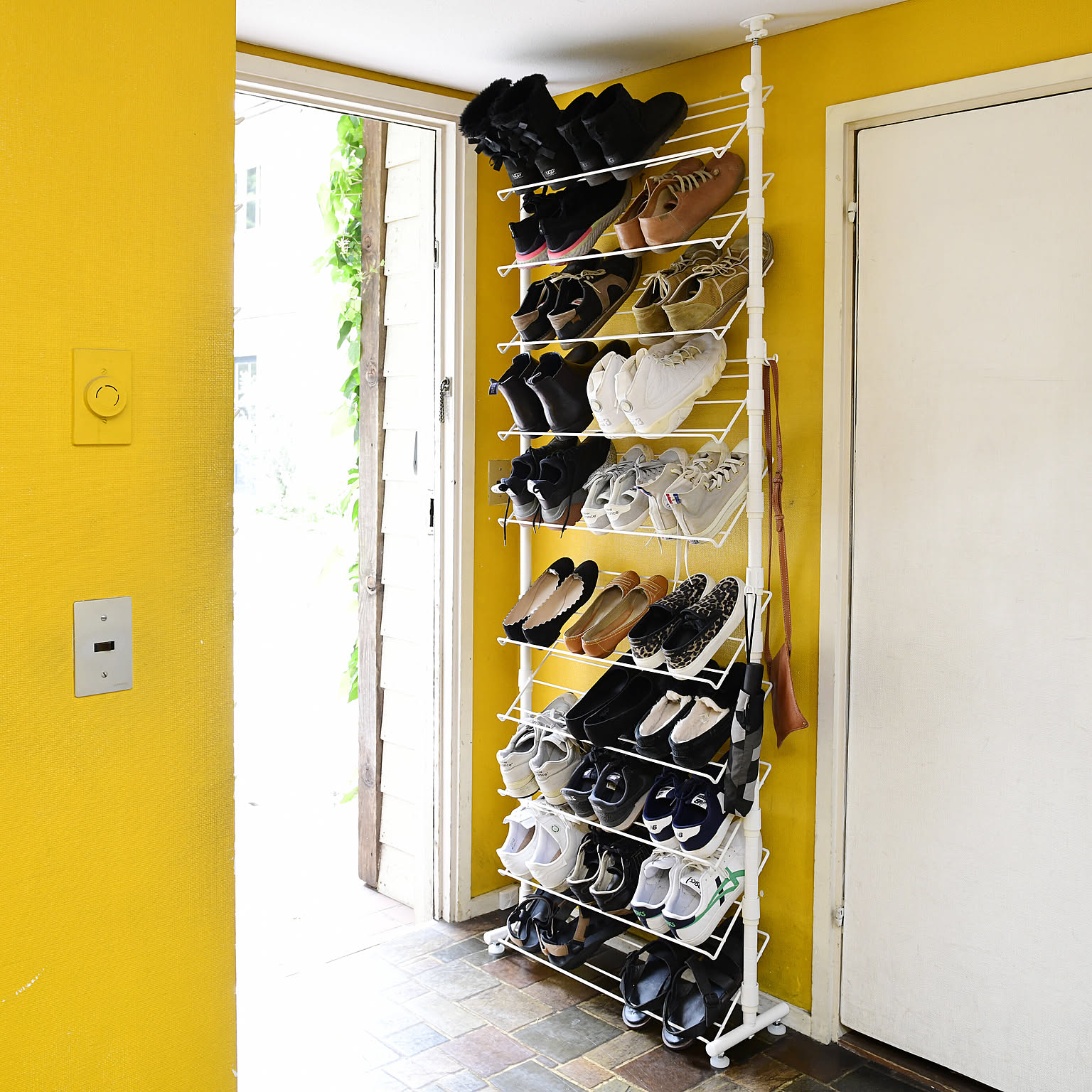
If the entry has a narrow wall but no useful cabinet, vertical storage can make sense. The important detail is depth: a tall rack helps only when it stays shallow enough that people can still enter, turn, and carry bags through the door.
Open vertical racks also force editing. If every shelf is visible, extra pairs are easier to notice and move before the entry starts to feel crowded.
Keep umbrellas out of the shoe path
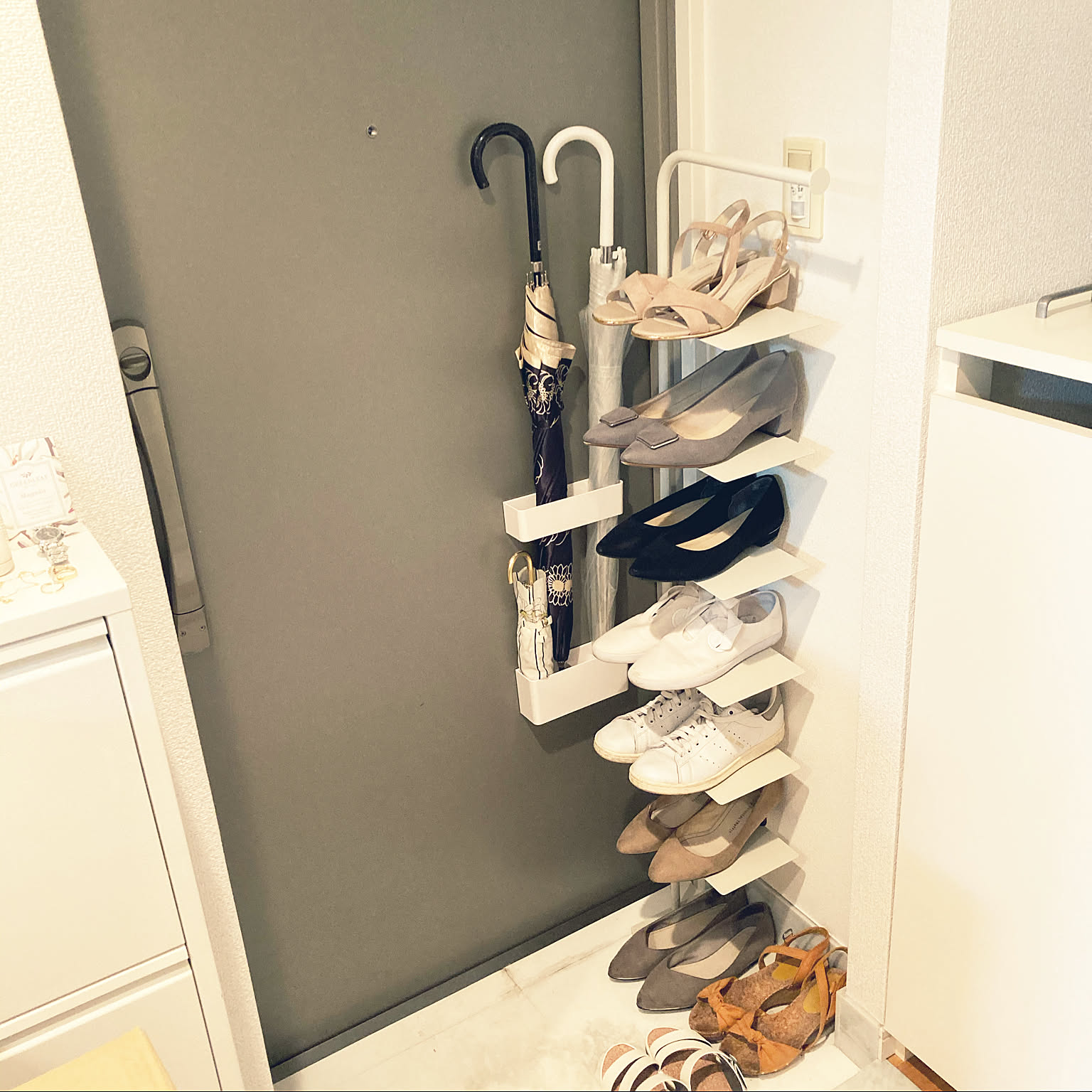
Umbrellas belong near the door, but not where people step into shoes. A magnetic holder, slim stand, or wall-side hook keeps wet items contained while leaving the shoe area readable.
If the entry is very tight, separate wet and dry umbrellas. One temporary drip spot by the door is cleaner than letting every umbrella live in the same crowded corner.
Give keys and small items a separate landing zone
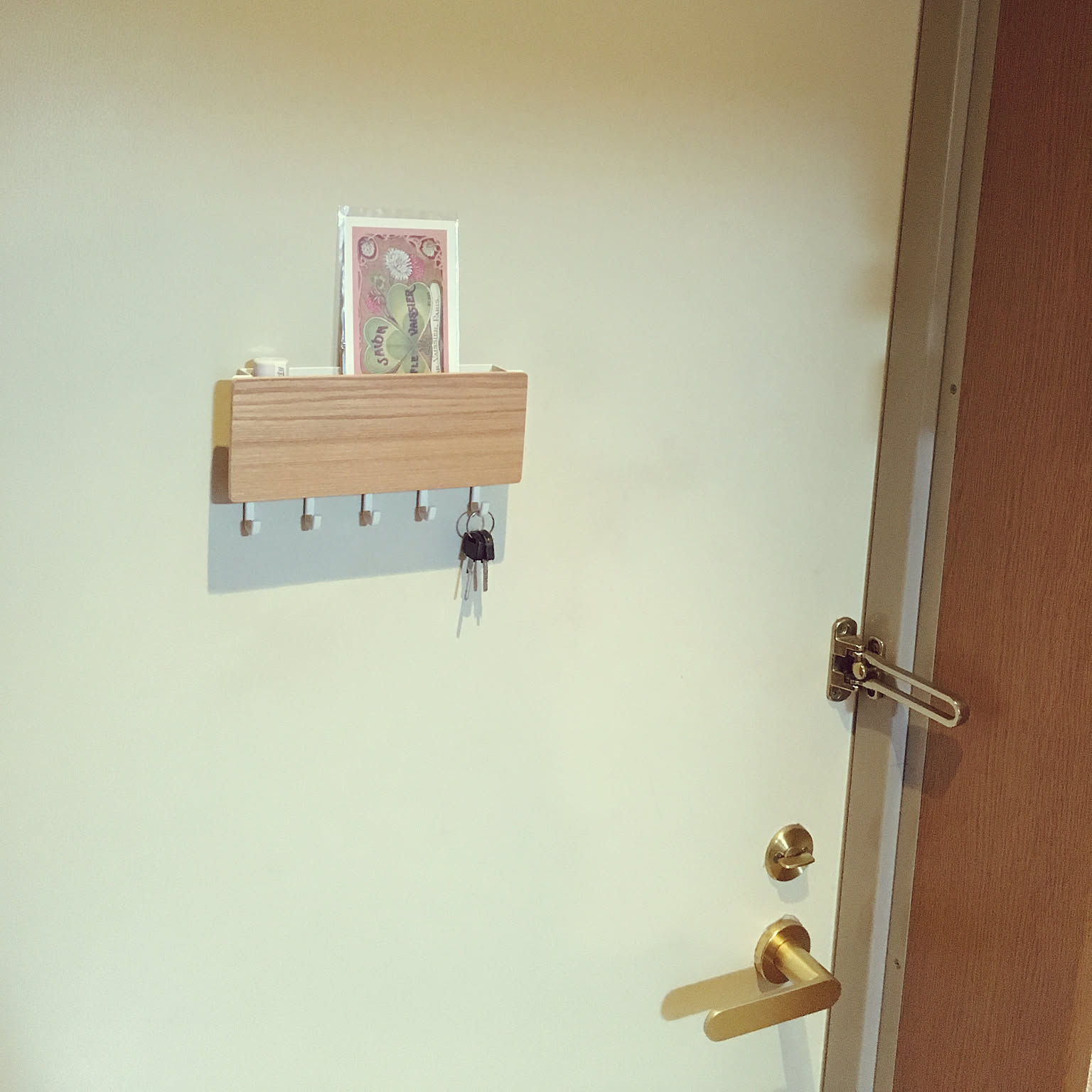
Keys, transit cards, masks, mail, and small delivery items should not live on top of the shoe cabinet by default. They need a small defined spot at hand height so they do not slide into the shoe zone.
A small hook or pocket is enough. The goal is not storage capacity; it is making the leaving-home routine automatic.
Make kids' shoes low and obvious
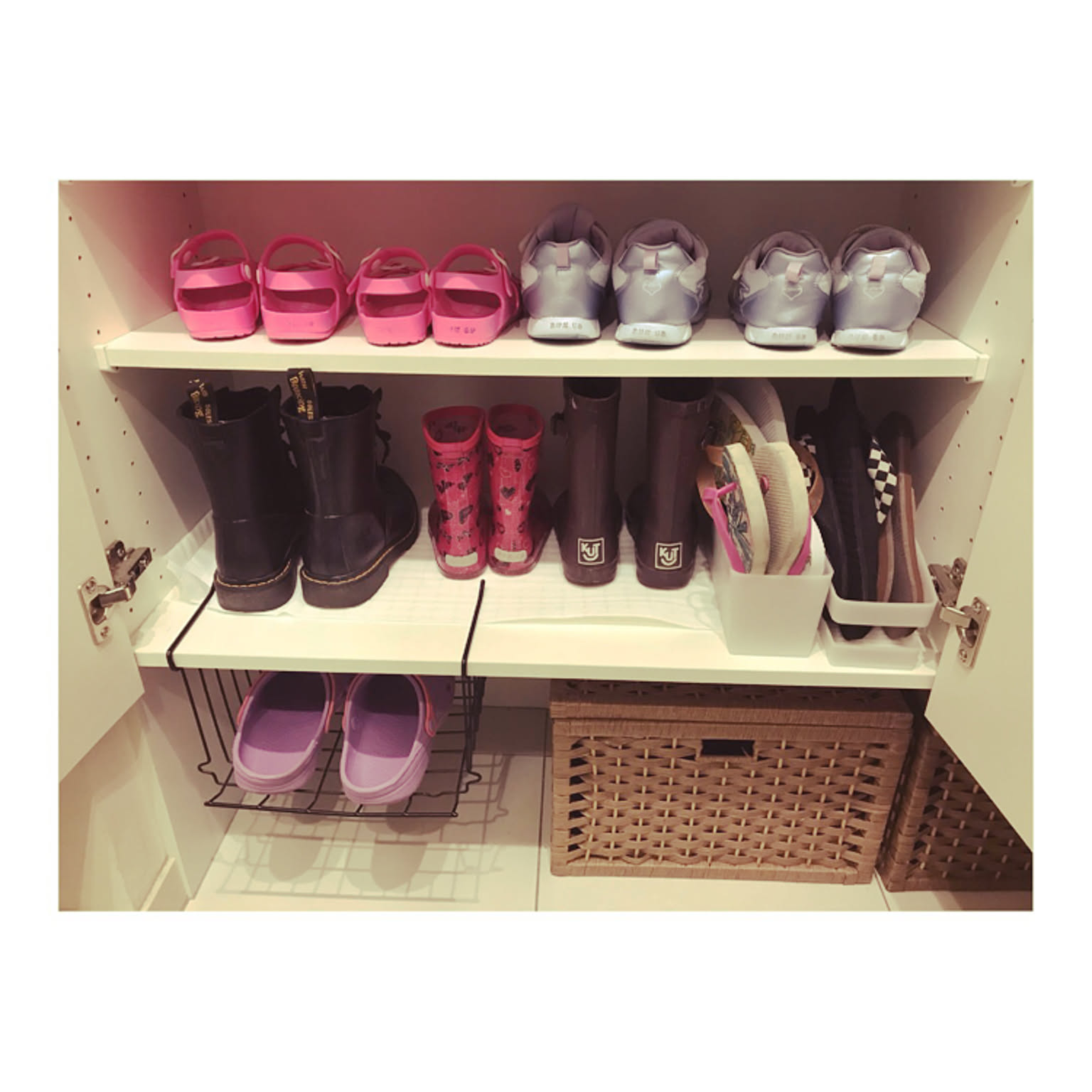
Kids' shoe storage fails when the target is too high, too hidden, or too detailed. Low shelves, open bins, and simple categories are easier to maintain than a cabinet that only adults can use neatly.
Rain boots, sandals, and school shoes can each have one visible lane. That is usually enough structure without turning the entryway into a labeling project.
Move seasonal shoes into overflow
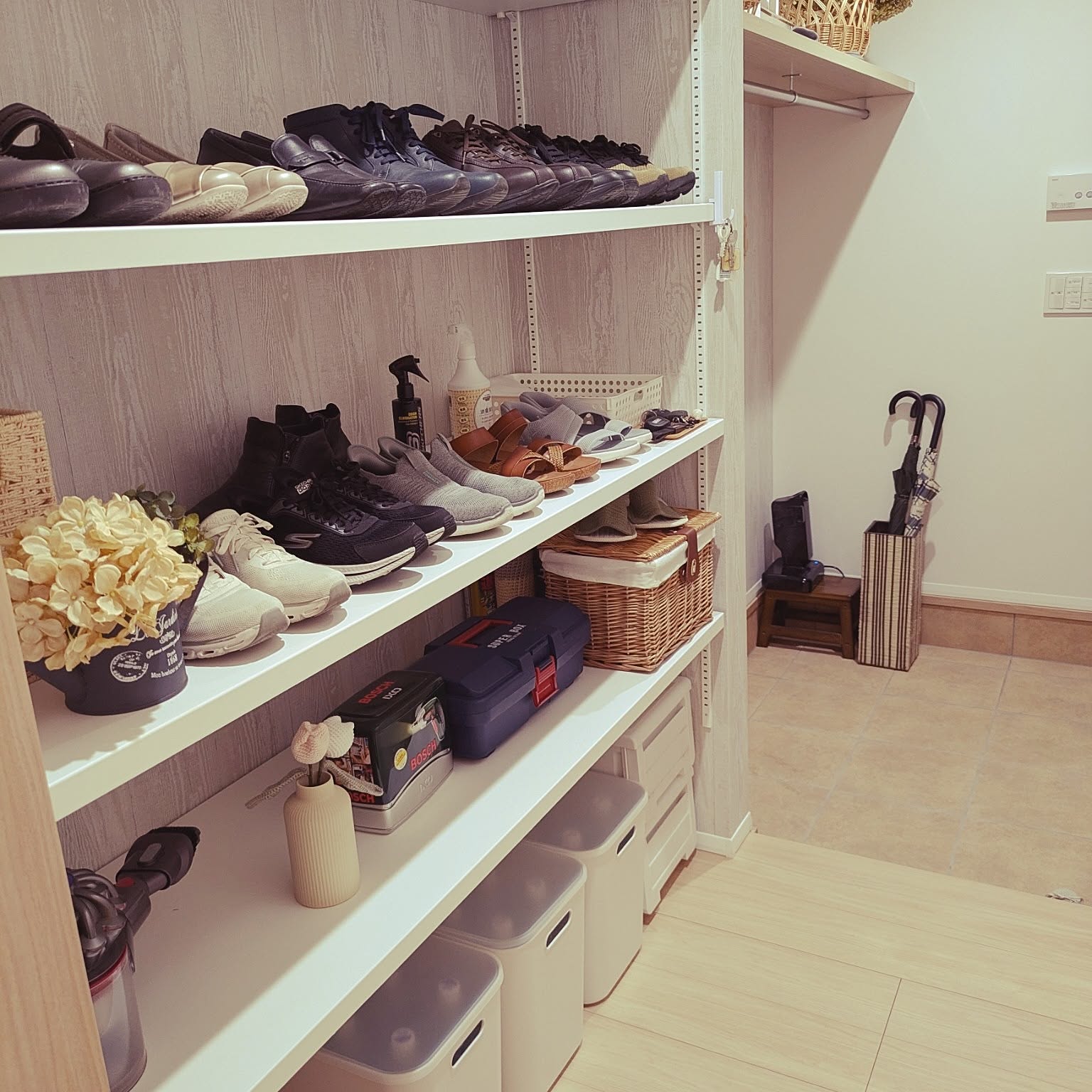
Seasonal and backup shoes should not compete with the pair you need tomorrow morning. Put them higher, farther back, or in a separate shelf with other low-frequency entry items.
This is also where shoe care, emergency supplies, and extra bags can live, as long as each category has a boundary. Mixed overflow becomes the next clutter pile.
Keep cleaning tools close enough to reset the floor
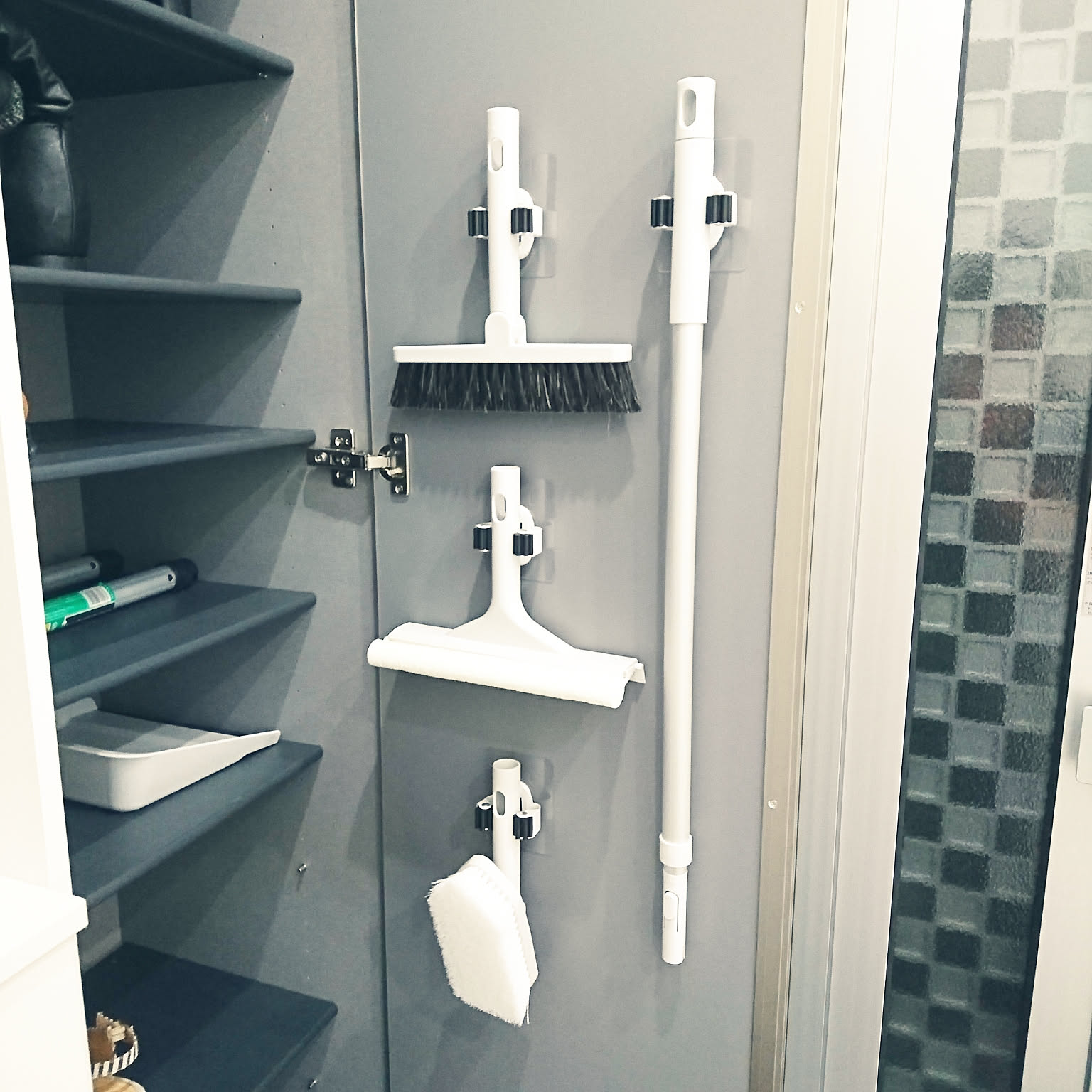
A shoe-heavy entry brings in dust, grit, and rainwater. If the broom, brush, or cloth is too far away, the entry stays dirty longer and shoes start to spread because the floor already looks messy.
Door backs and cabinet interiors are useful for light tools because they do not widen the entry. Keep this area limited to reset tools, not every cleaning supply in the home.
Final test: can the floor reset in one minute?
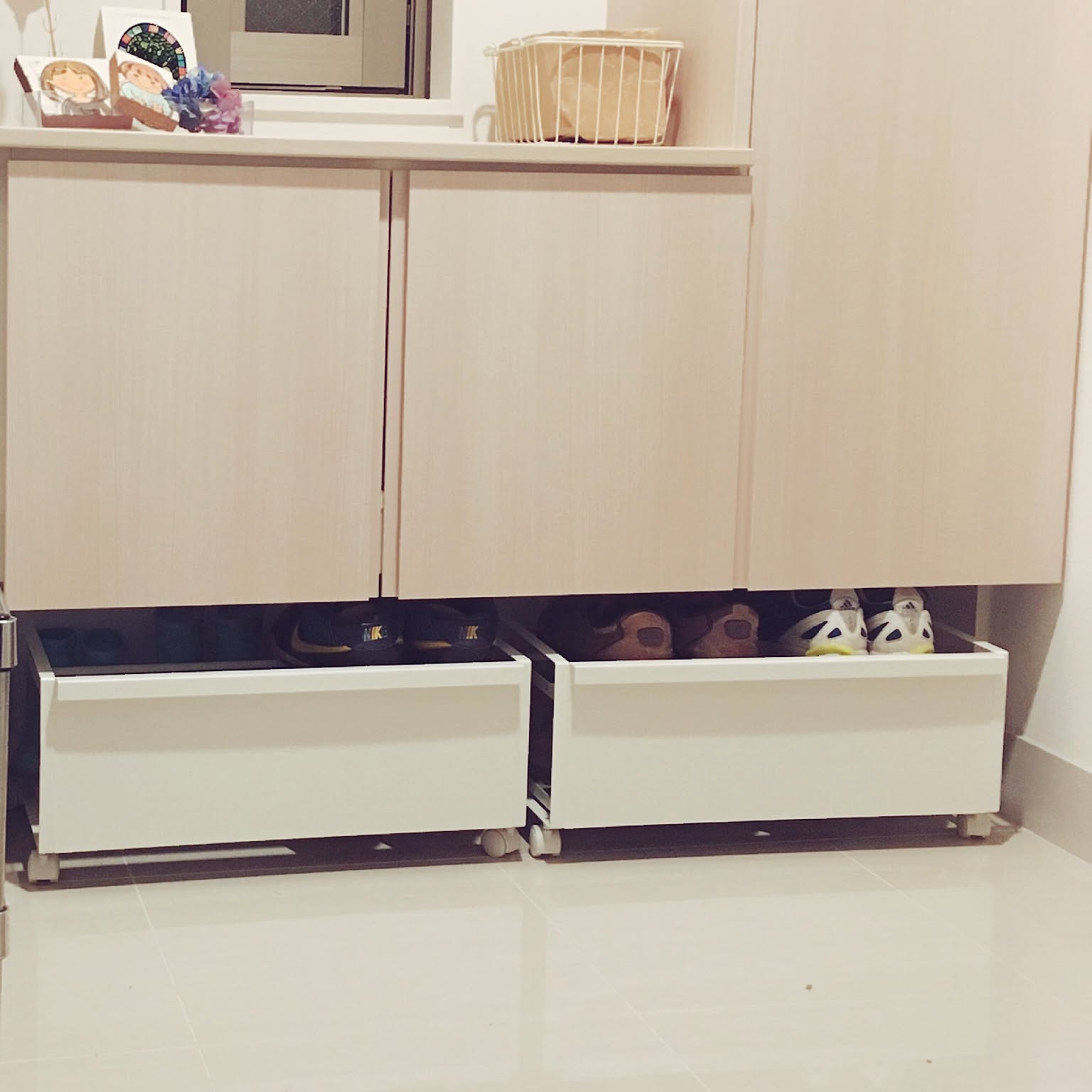
A good small-entry shoe setup should pass a one-minute reset. Daily shoes return to their spot, extra shoes move into overflow, umbrellas have a narrow home, and the walking path is visible again.
If that reset takes longer, the issue is usually not discipline. It means one category is still homeless, too many pairs are staying out, or the storage is too deep for the way the entry is used.
Frequently asked questions
How many shoes should stay in a small apartment entryway?
What if my apartment has no shoe cabinet?
How do you keep kids' shoes from spreading across the entry?
Where should umbrellas go in a small entryway?
by Japanese Home Goods Editorial
RoomClip usage context, manufacturer specifications, and US-market availability are reviewed by the Japanese Home Goods editorial team. We do not claim hands-on testing unless an article explicitly says so.
Related Articles

Best Entryway Organizers for Small Apartments (Japanese-Style Picks)
A small apartment entryway works better when keys, umbrellas, shoes, and daily overflow each have a narrow place to land. These Yamazaki Home picks show the Japanese-style organizers worth copying.

Japanese Entryway Organization Ideas for Small Apartments
A practical guide to Japanese entryway organization for small apartments: how to create clear zones for shoes, keys, umbrellas, and daily overflow without overcrowding the front door.

Rental-Friendly Entryway Storage: No-Drill Japanese Solutions
A renter-friendly entryway does not need wall damage or bulky furniture. The Japanese solution is to use magnetic, door-side, and slim freestanding storage that keeps the floor clear and the routine easy to reset.

A Professional Organizer Workflow for a Small Apartment in Japan
Use a professional organizer's sequence to edit a small apartment: inventory what you own, decide what stays, move each category to its point of use, and test the setup for one week.