Which Rice Cooker Brands Show Up in Japanese Homes? An 8,049-Photo Study
We analyzed 8,049 item-tagged rice-cooker photos from RoomClip to see which brands appear most often in Japanese homes and how the mix has changed since July 2023. The counts measure RoomClip posting patterns, not sales or national market share.

If you have shopped for a Japanese rice cooker from the U.S., you have met the same short list of names — Zojirushi, Tiger, sometimes Panasonic — and a lot of confident opinions about which one Japan really uses. We wanted the actual distribution, not the folklore.
So we went to RoomClip, Japan's largest home-photo community, where more than six million photos show real Japanese homes and users tag the exact products in the picture. We pulled every photo with a tagged electric rice cooker, cleaned out sponsored posts and look-alike categories, and counted the brands. The result is 8,049 photos from 2,122 households — a look at which cookers are actually sitting on Japanese counters, and how that has shifted in the last three years.
This is not a "best rice cooker" list or a national ownership survey. It measures what a large sample of RoomClip members chose to photograph and tag. The result can reveal visibility and enthusiasm inside this design-conscious community, but it cannot tell us which brand sells the most in Japan. For a U.S. buyer, it is a discovery map; voltage, warranty, price, and local availability still have to be checked model by model.
Key findings
- Zojirushi leads, and it's pulling away: it appears in about 1 of every 5 rice-cooker photos overall (22%), and in more than 1 of every 3 posted in the last three years (36%).
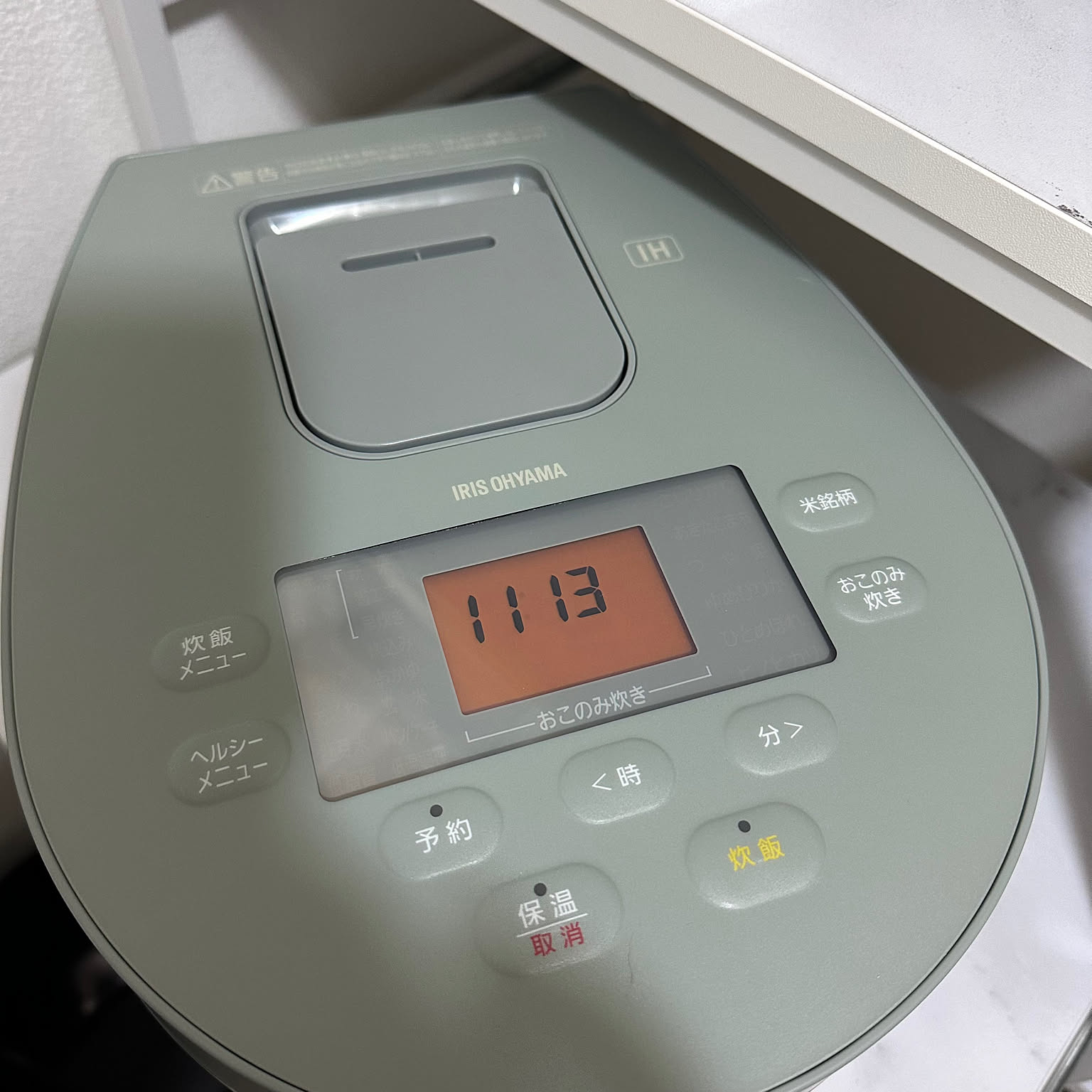
- Iris Ohyama is the big riser: the value brand jumped from 7% of photos all-time to 16% of the last three years — vaulting past Tiger, Panasonic, and Mitsubishi to become the #2 most-photographed brand recently.
- The old #2 shows up less in new posts: Mitsubishi is the second most-photographed brand across all years (15%), but appears in only 4% of RoomClip's last-three-years photos — a shift in what gets posted, not a claim about its sales.
- The design-boom cookers cooled on RoomClip: BALMUDA and Vermicular, the design-forward launches of the last decade, each hold a smaller share of recent RoomClip photos than of the full archive. This is about how often people post them, not how they sell.
- A Japanese brand name does not guarantee U.S. compatibility: Zojirushi and Tiger have broad 120-volt household lineups, and Vermicular sells one premium 120-volt system in the U.S. Many models photographed in Japan are still 100-volt domestic products, so the exact model number matters.
Which brands actually fill Japanese kitchens
Across the whole archive, five names carry the count. Zojirushi leads comfortably, followed by a tight pack of the established makers — Mitsubishi, Tiger, and Panasonic — that have built IH cookers for decades. If you have read our explainer on how Japanese rice cookers work, these are the brands behind most of those pressure-IH and micom machines.
- Zojirushi
- 22.5 %
- Mitsubishi
- 15.1 %
- Tiger
- 12.2 %
- Panasonic
- 10.7 %
- Iris Ohyama
- 6.6 %
- recolte
- 5.3 %
- Vermicular
- 5.1 %
- BALMUDA
- 3.9 %
- Hitachi
- 3.4 %
- Toshiba
- 3 %
Each bar is a brand's share of all rice-cooker photos in the study. Brands keyword-matched from Japanese product names; a photo tagged with two brands counts in each. Named brands cover about 95% of photos; the top ten are shown here. Source: RoomClip item-tagged photos, sponsored posts and shop accounts excluded. Analysis: Japanese Home Goods, July 2026.
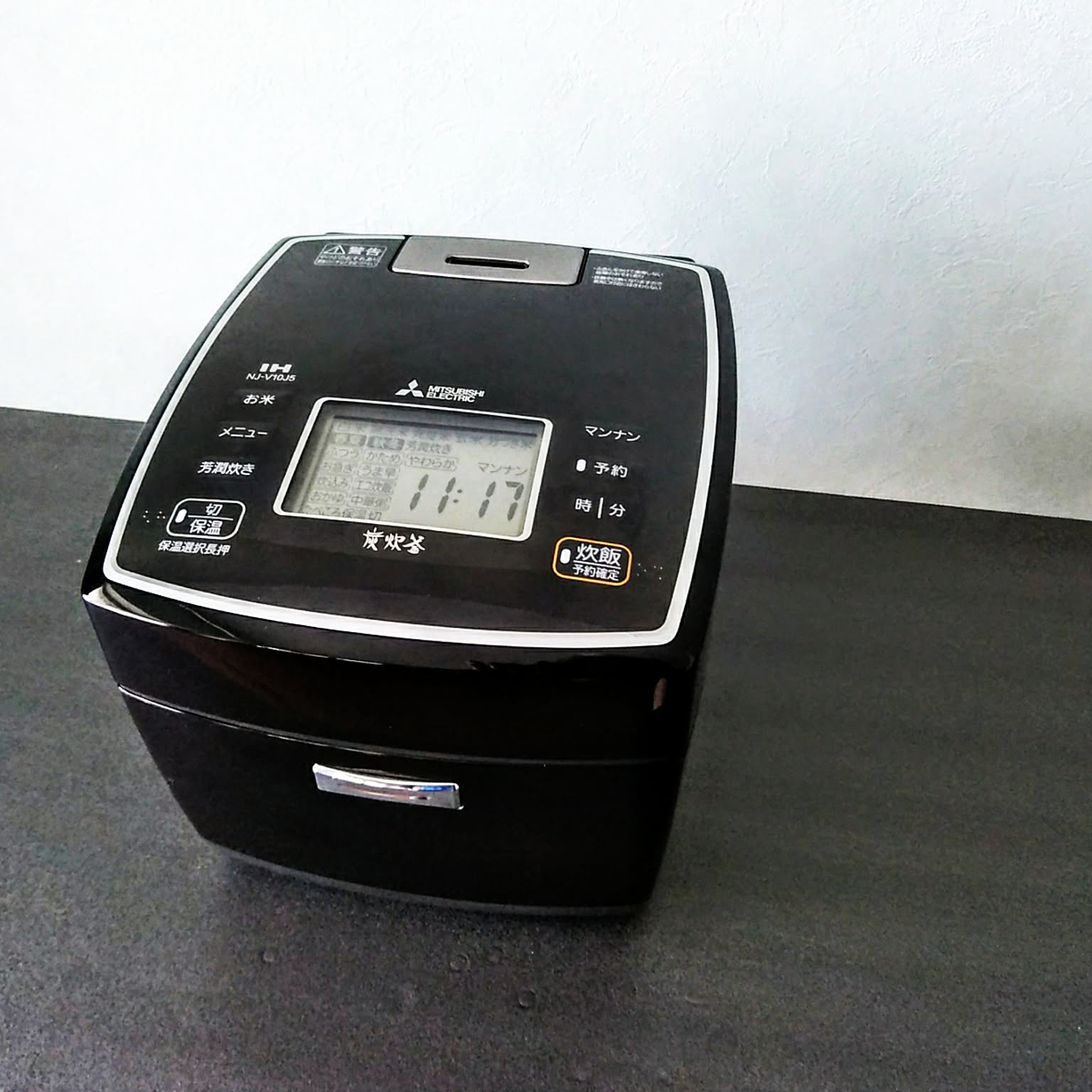
The concentration is the story here. The top four brands account for roughly 6 in 10 photos, and the long tail — dozens of smaller makers and generic models — never adds up to a hidden bestseller. When a Japanese household photographs a rice cooker, it is usually one of a handful of names.
Zojirushi isn't just #1 — it's pulling away
Zojirushi's lead is not a rounding error. It appears in about 22% of all rice-cooker photos in the study — roughly one in five — and its position is strengthening: among photos posted in the last three years, its share climbs to 36%, more than one in three. No other established brand moved up like that.
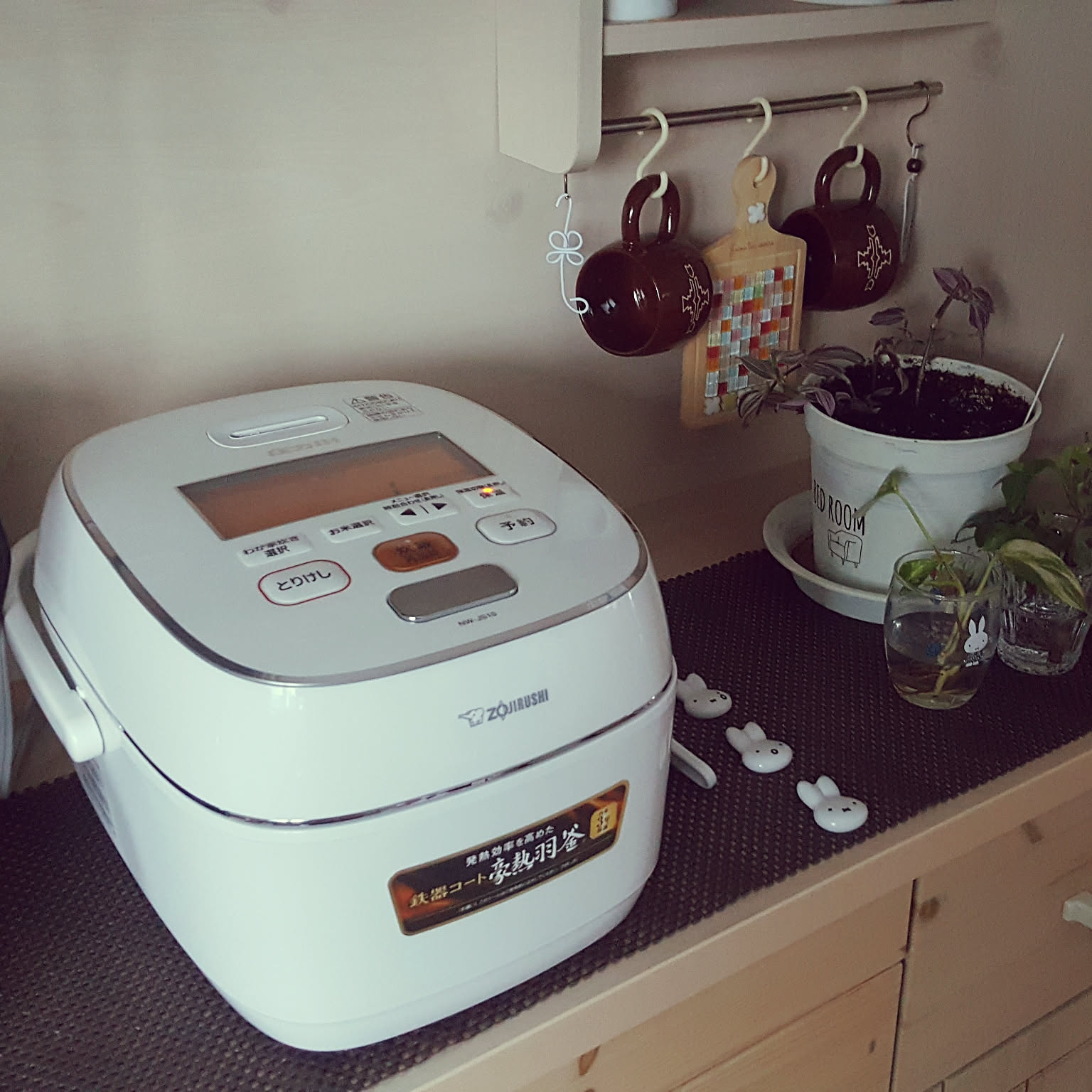
That lead is broad, not the work of a few super-fans: Zojirushi's photos come from more separate households than any other brand's, so it reflects a lot of different kitchens rather than a handful of frequent posters. For Zojirushi's US lineup by size, heating type, and where each model is made, see our Japanese rice cooker guide.
For a U.S. kitchen, verify the model—not just the brand
The RoomClip ranking describes Japanese homes, not a U.S. shopping shelf. Japan uses 100-volt power while standard U.S. household outlets supply 120 volts, and manufacturers may sell different models in each market. A familiar brand name therefore does not confirm that a photographed Japanese model is suitable for a U.S. kitchen.
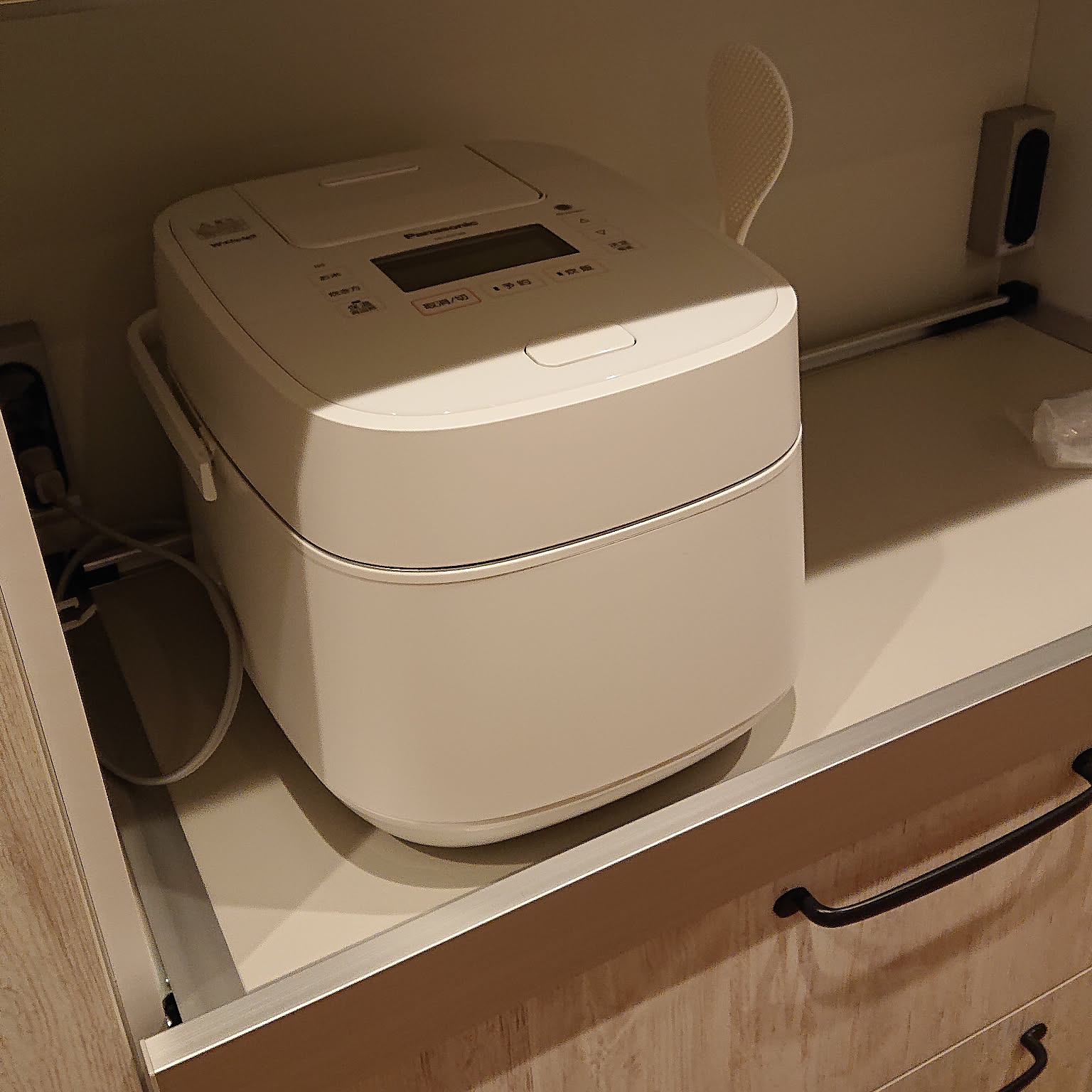
Use the study to discover brands, then switch to a U.S.-market shortlist. Confirm the exact voltage, warranty coverage, capacity, and current USD price before comparing cooking features. That keeps a RoomClip visibility signal separate from the purchase decision.
What the last three years changed
Comparing raw photo counts across years is unfair — RoomClip's overall tagging volume rises and falls, so an older brand can look bigger just for having been around longer. Instead we compare each brand's share of the photos posted in a period. Looked at that way, the recent ranking has genuinely reshuffled.
- Zojirushi
- 36.4 %
- Iris Ohyama
- 15.9 %
- Panasonic
- 8.6 %
- recolte
- 7.7 %
- Tiger
- 5.5 %
- Hitachi
- 4.5 %
- Mitsubishi
- 4.1 %
- Vermicular
- 2.6 %
- Toshiba
- 2.2 %
- BALMUDA
- 1.3 %
Share of rice-cooker photos posted since July 2023 (last three years of data), same ten brands as the chart above. Compared as within-period share, not raw counts. Remaining share goes to smaller brands and generic models. Source: RoomClip, sponsored posts excluded.
Two moves stand out. Iris Ohyama — a value brand better known for storage bins and cheap home goods — climbs from 7% to 16% and lands at #2, a sign that budget IH cookers turn up in more of the newer RoomClip posts. Meanwhile Mitsubishi, the all-time runner-up, sits at about 4% of recent photos. That is a change in what RoomClip members post, not a statement about Mitsubishi's business — the premium-charcoal-kiln cookers haven't gone anywhere; newer posts just skew toward Zojirushi at the top and value brands underneath.
What translates to a U.S. kitchen
For the broadest choice of conventional rice cookers backed by North American product pages, the practical starting pair is Zojirushi and Tiger. Both cover multiple sizes and heating tiers. Vermicular is a valid 120-volt alternative if you specifically want its premium cast-iron multicooker rather than a conventional rice cooker. For the mainstream comparison, and for deciding between a basic micom model and a pricier IH one, start with our guide to Zojirushi vs. Tiger and micom vs. IH.
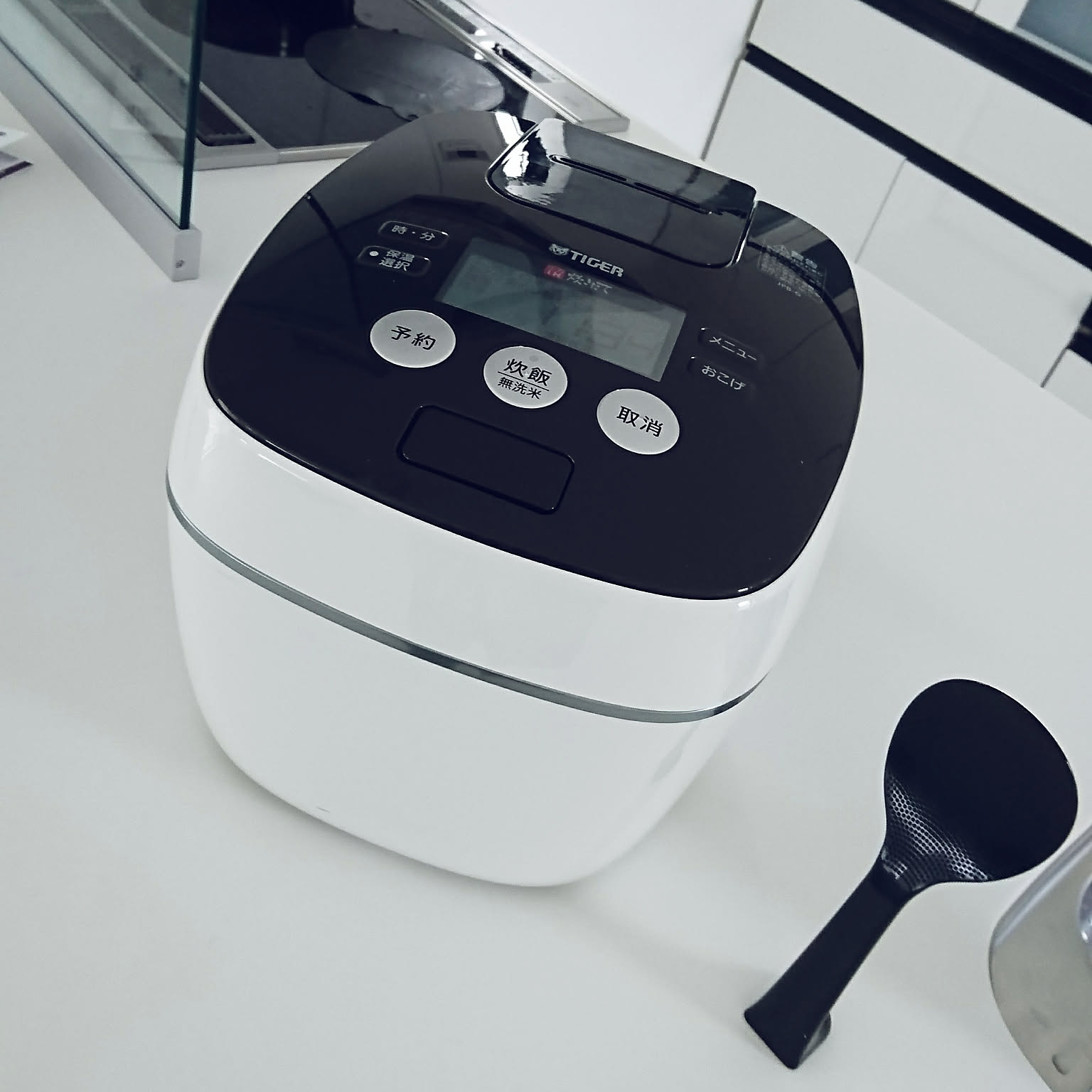
Size matters more than brand loyalty for most kitchens. If you cook for one or two, a small 3-cup model fits a compact counter; if you cook for more people or freeze rice, compare 3-cup and 5.5-cup sizes by the uncooked rice you make at once.
The design-boom cookers show up less in recent RoomClip posts
One of the more interesting patterns is how often the design-led launches get posted. BALMUDA's The Gohan and Vermicular's Ricepot arrived in the last decade as premium, design-forward cookers, and each drew a burst of enthusiast posts on RoomClip. In our data, BALMUDA appears in 3.9% of all rice-cooker photos but only 1.3% of those from the last three years; Vermicular moves the same way, from 5.1% to 2.6%. To be clear, this is strictly about RoomClip posting frequency, not about how these cookers sell in the wider market.
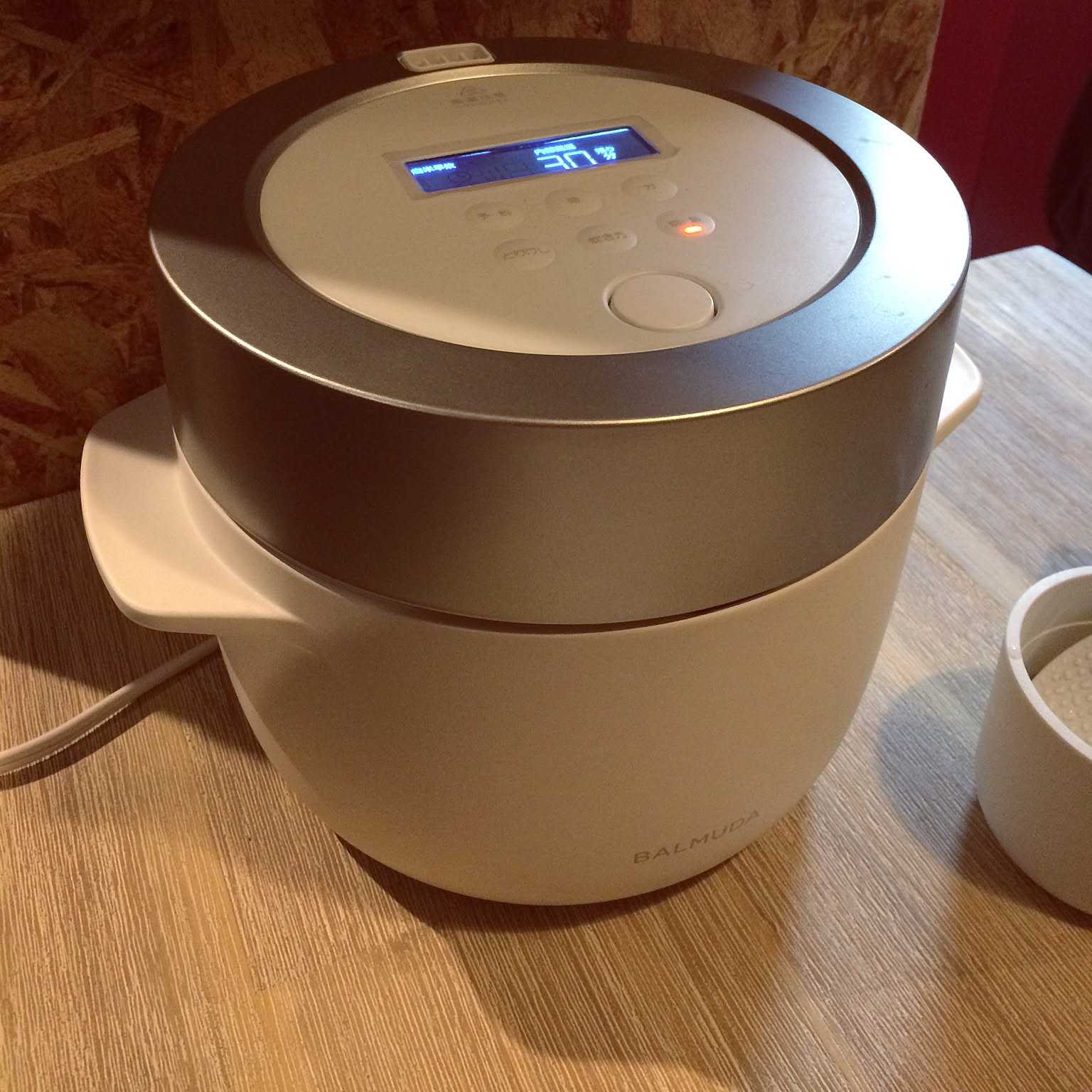
Read that carefully, because a RoomClip photo share is not a sales figure or a verdict on the product. A striking new design tends to get photographed a lot right when it launches, then less as it becomes the everyday appliance in the corner — so this kind of dip in posts is normal for any product, and posting habits and RoomClip's own tagging mix shift over time too. What the data supports is narrow and specific: a smaller share of recent RoomClip photos features these two cookers than the full archive would suggest. Whether that reflects taste, novelty wearing off, or price is a question this dataset can't answer — and it says nothing about how either brand is selling in the wider market.
Methodology
This study uses photo data from RoomClip, Japan's largest home-photo community, where members photograph their own homes and tag the products in the picture.
- We started from every photo with a tagged electric rice cooker, then removed look-alikes that share the word "rice cooker" in Japanese: rice-cooker stands and racks (about 700 photos), pressure cookers and other appliances (about 580), and stove-top donabe pots (about 210).
- We removed 1,158 photos posted through sponsored campaigns (about 13%) and all posts by shop or showroom accounts, leaving 8,049 photos from 2,122 unique households.
- Brands were assigned by keyword-matching Japanese product names (any item naming 象印 or Zojirushi counts as Zojirushi, and so on), using plain substring matching so compound model names aren't missed. A photo tagged with two brands counts once in each, so brand counts total slightly more than 8,049.
- Our named brands cover about 95% of photos. The remaining few percent is a long tail of generic and boutique cookers, with no hidden bestseller — the largest single product outside our named brands appears in under 1% of photos.
- Trends compare each brand's share of the photos posted in a period, not raw counts across periods, because RoomClip's overall tagging volume changes year to year. "Last three years" means photos posted since July 2023.
- Limits: people photograph what they are proud of, and item tagging is voluntary, so these counts skew toward well-kept, design-conscious homes and undercount plain or older cookers. Treat them as a popularity and visibility signal, not a sales ranking.
Data was pulled in July 2026.
Frequently asked questions
Where does the data in this study come from?
Which of these rice cooker brands can I actually buy in the U.S.?
Is Zojirushi really the most popular rice cooker brand in Japan?
Turn the data into a U.S. buying shortlist
RoomClip visibility is not a product recommendation. If you want a conventional household rice cooker, start with current 120-volt Zojirushi and Tiger models because both brands offer broad North American lineups. Consider Vermicular separately if its $670 cast-iron multicooker and automatic rice mode fit your budget and cooking style. Avoid importing a photographed Japanese model until you have verified its exact voltage and warranty.
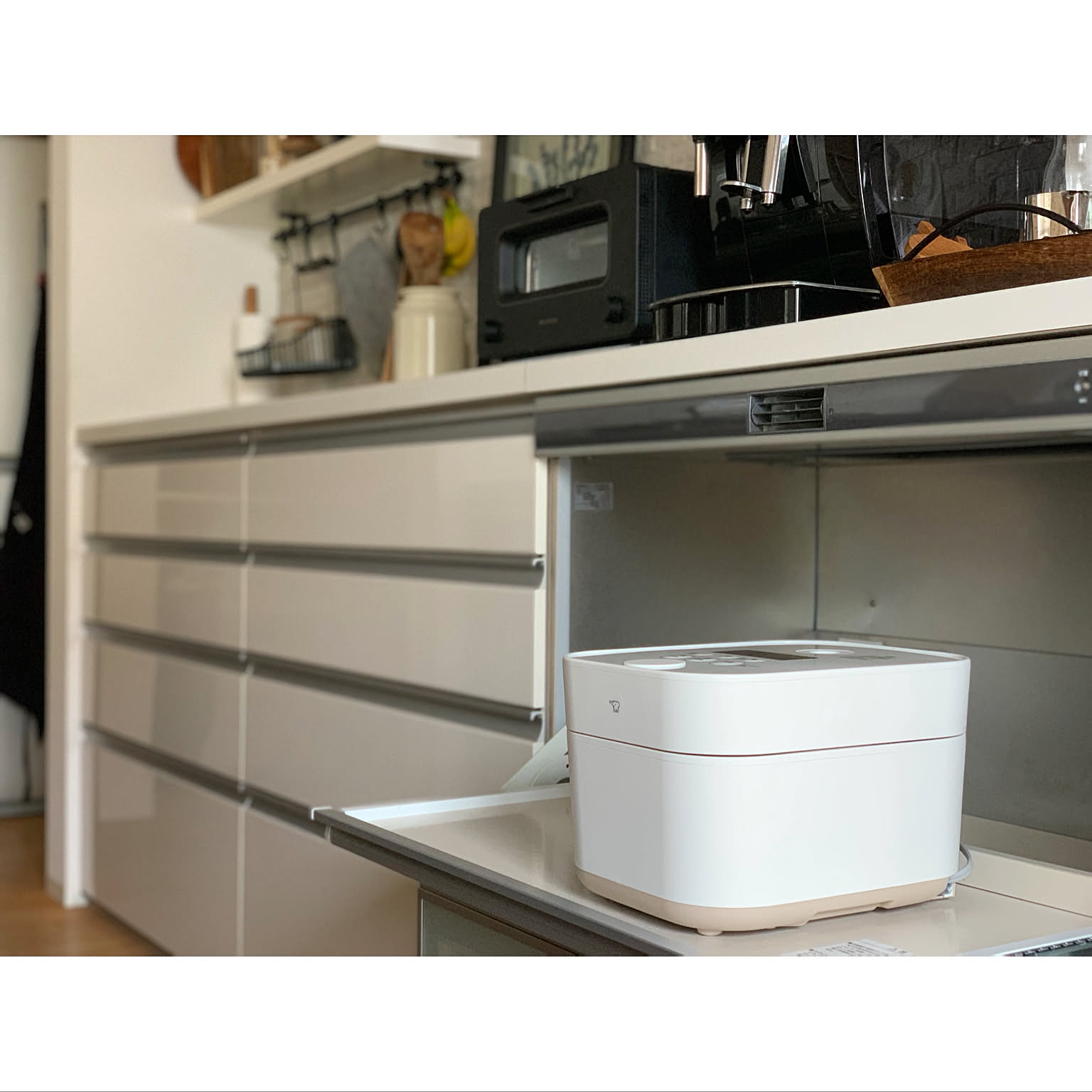
Zojirushi
Zojirushi Rice Cookers (North American models)
$59.99-914.99
Check Price on AmazonVerify specifications with the manufacturer · Checked 2026-09-08
Tiger
Tiger Rice Cookers (North American models)
$119.99-320.99
Check Price on AmazonVerify specifications with the manufacturer · Checked 2026-09-08
Not sure which size or tier fits? Compare them in our Japanese rice cooker guide.
by Japanese Home Goods Editorial
RoomClip usage context, manufacturer specifications, and US-market availability are reviewed by the Japanese Home Goods editorial team. We do not claim hands-on testing unless an article explicitly says so.
Related Articles

Japanese Rice Cookers Explained: Size, Micom vs IH, and Zojirushi vs Tiger
Choosing a first Japanese rice cooker for a US kitchen: decide the size from your usual batch, then micom, IH, or pressure IH, then Zojirushi or Tiger, and check the exact 120V model.

Small Japanese Rice Cookers for US Kitchens: 2-Cup, Mini, and 3-Cup Choices
Looking for a 2-cup, mini, or 3-cup Japanese rice cooker? Start with your usual batch, then compare four 120V 3-cup models from Zojirushi and Tiger by footprint, keep warm, and where they are made.